Porsche Recycles Old Batteries into New Cells
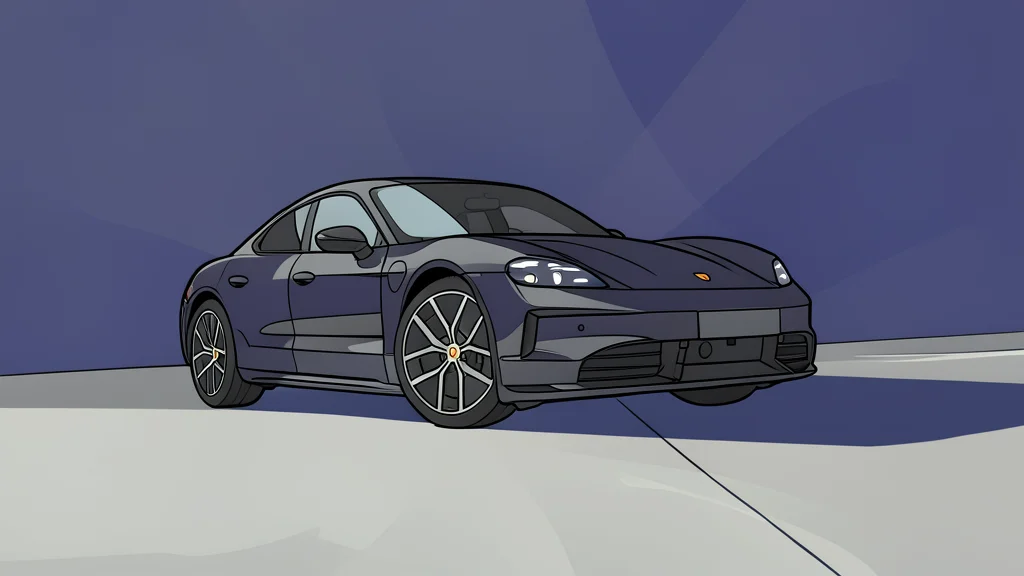
Porsche has successfully created prototype electric vehicle batteries using materials recovered from old packs, aiming to reduce reliance on mining and secure critical mineral supplies.
Porsche has announced a significant step toward a circular economy for electric vehicles by successfully building new battery cells using materials recovered from old ones. The automaker reported that these prototype cells incorporate cathode material salvaged from end-of-life Porsche high-voltage batteries. This development marks a move away from relying solely on freshly mined raw materials, instead reusing lithium, nickel, cobalt, and manganese extracted from worn-out battery packs.
The initiative is designed to address the growing demand for critical minerals as the automotive industry shifts toward electrification. By closing the loop on battery production, Porsche aims to reduce its environmental footprint and decrease exposure to the volatile global markets for raw materials. The company notes that while the technology is technically feasible, extensive testing is required to ensure the recycled components meet strict performance and durability standards.
Recycling Process Uses Water-Based Methods
The recycling program, which launched last year in partnership with German specialty company cylib, utilizes a water-based process to handle end-of-life batteries. Collected from Porsche centers across Germany, the battery packs are discharged and dismantled before being mechanically shredded. This creates a powder known as "black mass," which contains the target metals. These materials are then separated and refined into battery-grade raw materials suitable for manufacturing new cathodes.
Since May, Porsche has been sending batteries from German dealerships into this system. The company tracks the recovered materials through a dedicated account to ensure transparency. According to reports from GN auto tech/ev: electric vehicle, the first recycled supplies are expected to become available for broader battery cell production beginning in 2028. This timeline suggests that while the technology is ready for prototypes, widespread integration into consumer vehicles will take several more years.
Industry Shifts Toward Closed-Loop Systems
This project reflects a broader trend in the automotive sector where manufacturers are creating closed-loop systems. Instead of having third-party players process recovered materials, automakers are increasingly looking to return these resources directly into their own supply chains. This approach allows companies like Porsche to secure long-term supplies of critical minerals while reducing the environmental impact associated with mining new resources.
However, the main challenge remains proving that recycled materials perform identically to those from new sources. Porsche states that initial testing indicates the concept is technically feasible, but more comprehensive results are expected later this year. If successful, this technology could eventually be used in production Porsche EVs, offering a more sustainable option for future models.
Performance Testing Determines Future Viability
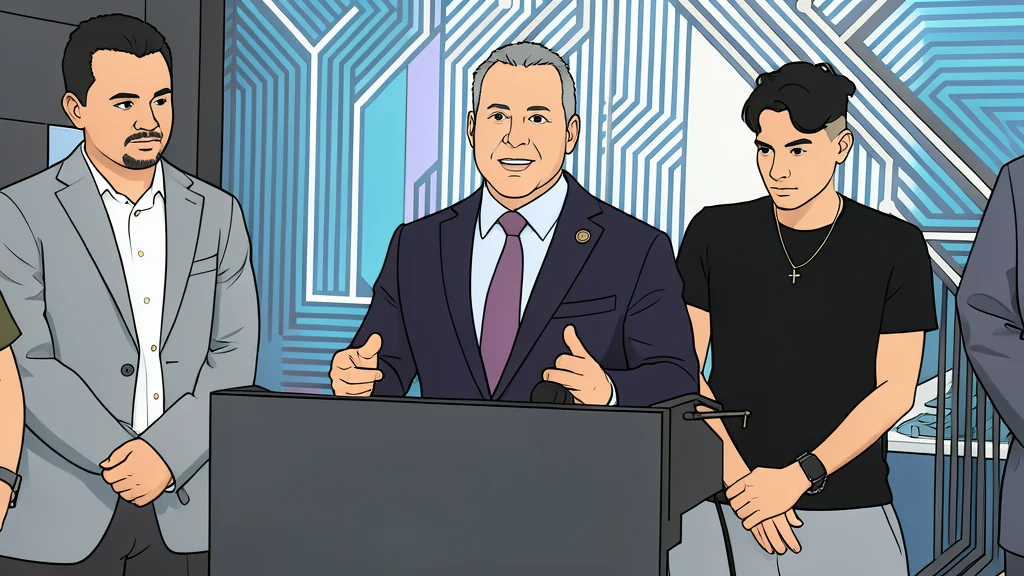
The current prototype cells are undergoing rigorous testing to determine if they meet the quality standards required for future production vehicles. Key metrics include performance, durability, and overall reliability. The trade-off for using recycled materials is the need for extensive validation to ensure they do not compromise the vehicle's range or lifespan. Porsche’s executive board member for procurement, Joachim Scharnagl, described this as a key step in advancing raw material resilience.
As demand for lithium, nickel, and cobalt rises, recycled materials are viewed as a crucial supplement to future supply. The success of this program could set a precedent for other manufacturers, potentially shifting the industry standard toward greater sustainability. For now, the technology remains in the testing phase, with consumers likely to wait until 2028 or later to see these recycled batteries in new cars.