Hyundai's 25,000-Robot Push Boosts Demand for US Magnet Maker EMAT
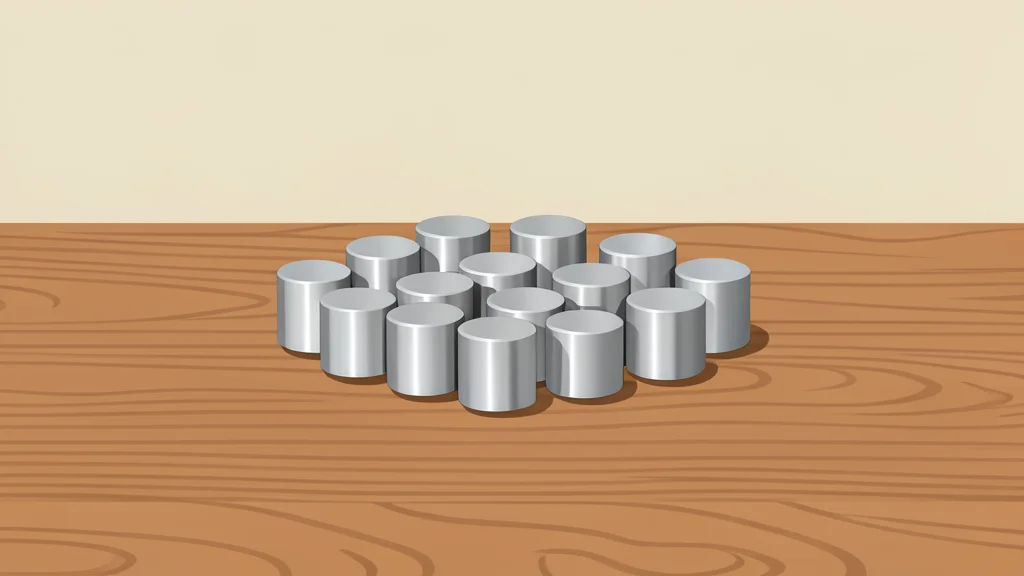
As humanoid robots scale up, Evolution Metals positions its US-based magnet production to capture supply chain shifts.
Key points
- Hyundai plans to deploy 25,000 humanoid robots, driving demand for high-performance electric motors and magnets.
- Evolution Metals is expanding US-based magnet production to offer a non-Chinese supply chain option for manufacturers.
- The company has achieved quality certification with two global electronics firms for six magnet grades.
The expansion of artificial intelligence into physical machinery is creating a new demand stream for industrial components. Hyundai Motor Group plans to deploy 25,000 Atlas humanoid robots in its manufacturing facilities, a move that increases the need for the high-performance motors that drive these machines.
This shift places significant weight on the supply of rare earth magnets, which are essential for efficient electric actuation. Evolution Metals & Technologies is positioning itself to benefit from this trend by expanding its domestic production capacity for the specific magnet grades used in robotics.
Magnet demand rises with robot deployment
Humanoid robots require precise and powerful movement, which is achieved through permanent magnet synchronous motors. These systems account for a large share of a robot's material costs, making the underlying magnetic components a critical part of the bill of materials. As more manufacturers enter the humanoid space, the total volume of required magnets is expected to grow significantly.
The International Energy Agency notes that demand for key rare earth elements has already doubled since 2015. With projections indicating a further one-third increase by 2030, the market is seeing a structural rise in consumption driven by both electrification and automation.
Supply chain diversification becomes a priority
Currently, China controls the vast majority of global sintered permanent magnet production. This concentration creates a strategic vulnerability for Western manufacturers who rely on these components for their robotics and defense projects. There is a growing push to develop alternative supply chains to ensure continuity and reduce geopolitical risk.
Evolution Metals is addressing this by securing raw materials from outside of China. The company has begun receiving neodymium-praseodymium metal from Vietnamese suppliers, allowing it to produce finished magnets in the United States. This vertical integration helps companies like Evolution Metals serve customers who require non-Chinese sourcing for sensitive applications.
Certification validates manufacturing capabilities
To prove its ability to meet industrial standards, Evolution Metals completed quality certification with two major electronics manufacturers. These qualifications cover six grades of sintered magnets, including versions designed to function at extreme temperatures. This validation suggests the company can produce components that meet the rigorous requirements of high-end automotive and robotics sectors.
According to TradingView, the company’s strategy relies on selling into a broad market of robot makers rather than building the robots itself. While the certification is a strong indicator of manufacturing readiness, the company still faces the challenge of securing long-term contracts with specific robotics firms to realize its revenue potential.