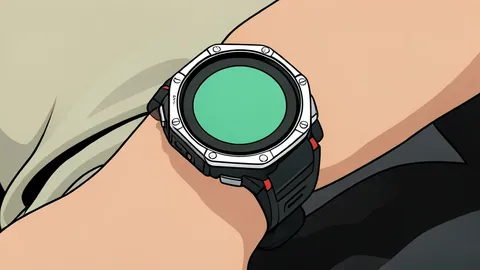
Arm-Worn Tool Forecasts Migraines with 91.2% Accuracy

A new study shows an arm-worn device can predict migraine attacks over the next day with high precision, helping users plan ahead.
Key points
- A study in Neurology finds the Nerivio device predicts migraines with 91.2% accuracy using AI.
- Long-term headache patterns over 30 days are a stronger predictor than immediate early warning symptoms.
- The device costs $49 to $89 for insured users, while uninsured patients pay between $600 and $800.
A wearable device worn on the upper arm can now forecast whether a user will experience a migraine in the next 24 hours. A new study published in the journal Neurology reports the device achieves 91.2% accuracy in these predictions.
The technology allows people to adjust their schedules, take preventive medication, or rest before an attack begins. This advance warning comes from a study analyzing data from over 53,000 patients who used the device for nearly five years.
How the prediction feature works
The device, called Nerivio, is controlled by a smartphone app. It uses mild electrical pulses during 45-minute sessions to disrupt pain signals in the brain. The app also collects detailed data on symptom frequency, severity, and local weather conditions.
Using artificial intelligence, the app analyzes this information to estimate the likelihood of a migraine within a day. It does not diagnose the condition but helps patients manage their daily activities based on predicted risk.
Long-term patterns beat early warnings
Researchers found that traditional early warning signs, such as mood changes or muscle stiffness, contribute only 11% to the prediction’s accuracy. These early cues are known as prodromal symptoms and have long been studied by experts.
The strongest signal is actually the average headache severity recorded over the previous 30 days. This suggests that a patient’s long-term history is a better predictor of future attacks than immediate physical sensations.
Dr. Chia-Chun Chiang of the Mayo Clinic noted that this shift changes how clinicians view migraine forecasting. Consistent data over time provides a clearer window into what might happen next for the patient.
Cost and access for patients
Migraine affects about 39 million people in the United States and 1.1 billion worldwide. Women are three times more likely to suffer from the condition than men, making early prediction a significant tool for many.
The device is approved by the FDA for patients aged eight and older. It is available only by prescription and is covered by many insurance plans, which helps lower the financial barrier for users.