Choosing a Fitness Tracker Requires Balancing Comfort with Data Depth
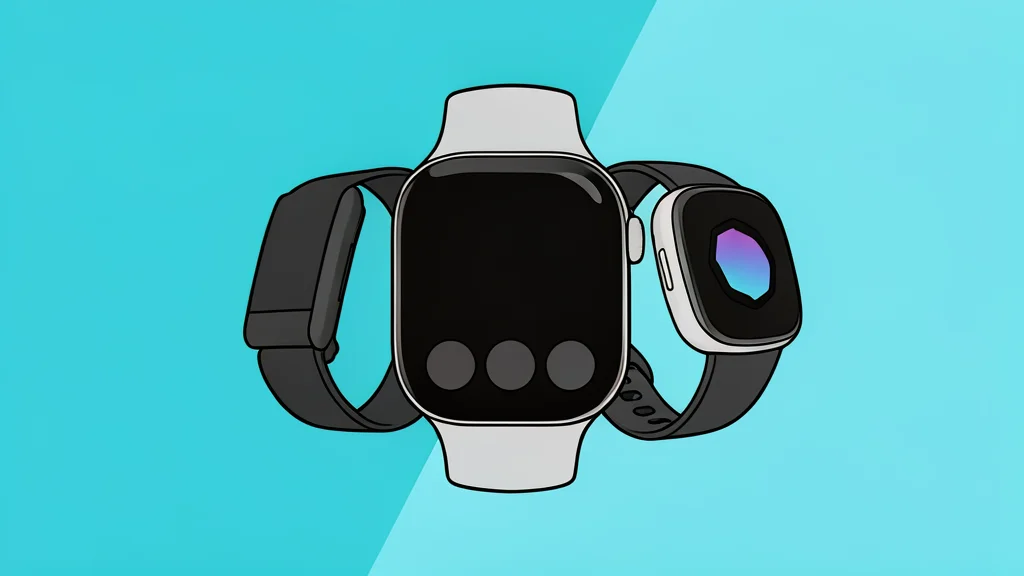
The market is flooded with devices that promise to optimize your health, but finding the right one depends less on having the most features and more on fitting your specific lifestyle. A recent guide from Prevention highlights that the best device is often the one you actually want to wear.
Wearable technology has moved far beyond simple step counting. Modern devices now monitor heart rate, sleep quality, and various forms of exercise, acting as a personal trainer in your pocket. Because of this expanded utility, one in five people now uses a fitness tracker. The goal is no longer just to see how far you walked, but to understand how your body responds to activity and rest.
However, the sheer volume of available options can be overwhelming. Some devices focus on deep-dive athletic data, while others prioritize smart features like texting and music playback. The challenge for consumers is distinguishing between useful insights and unnecessary complexity. A physical therapist quoted in the report, Gaby Van Sickle, emphasizes that more features do not always mean better results. The key is to avoid paying for advanced metrics you are unlikely to use.
Comfort dictates consistent usage
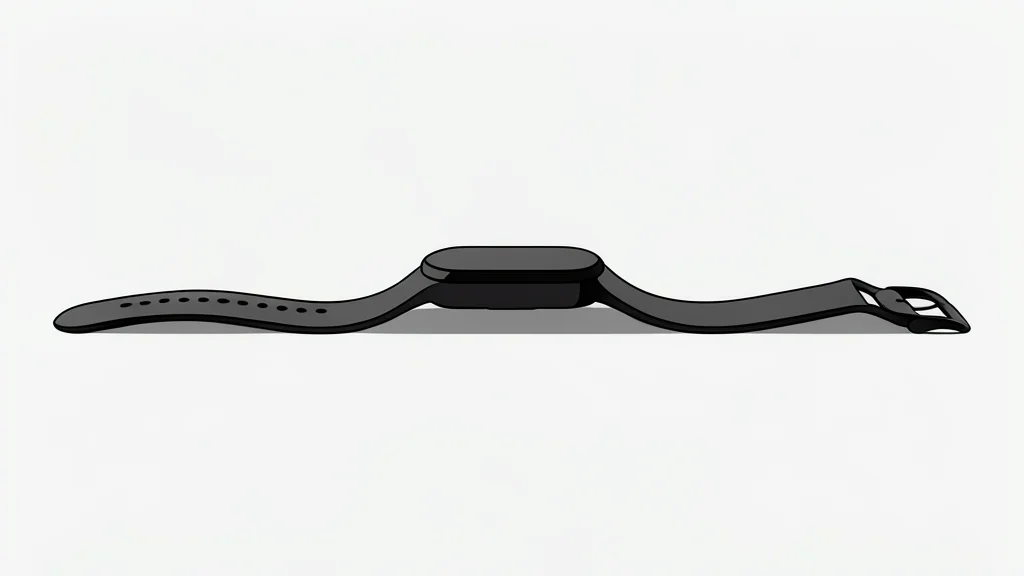
Even the most advanced sensor suite is useless if the device is too uncomfortable to wear. Van Sickle notes that if a tracker is not comfortable enough for daily use, its features do not matter. This is a significant trade-off for users who want to track sleep. Bulky smartwatches can become a barrier to rest, leading some users to abandon sleep tracking entirely due to discomfort. Slimmer profiles, such as rings or narrow bands, are often recommended for those who need to wear the device overnight without feeling restricted.
Battery life impacts tracking continuity
Power management is another critical consideration that often gets overlooked during purchase. Most basic trackers can last days or even weeks on a single charge, which is ideal for uninterrupted sleep and activity monitoring. In contrast, smartwatches with larger screens and additional features like GPS and cellular connectivity require more frequent charging. This need for regular power can interrupt the data collection process. If you forget to charge your device, you lose valuable health data, creating a gap in your wellness records that may be difficult to fill.
Smartwatches offer convenience over precision
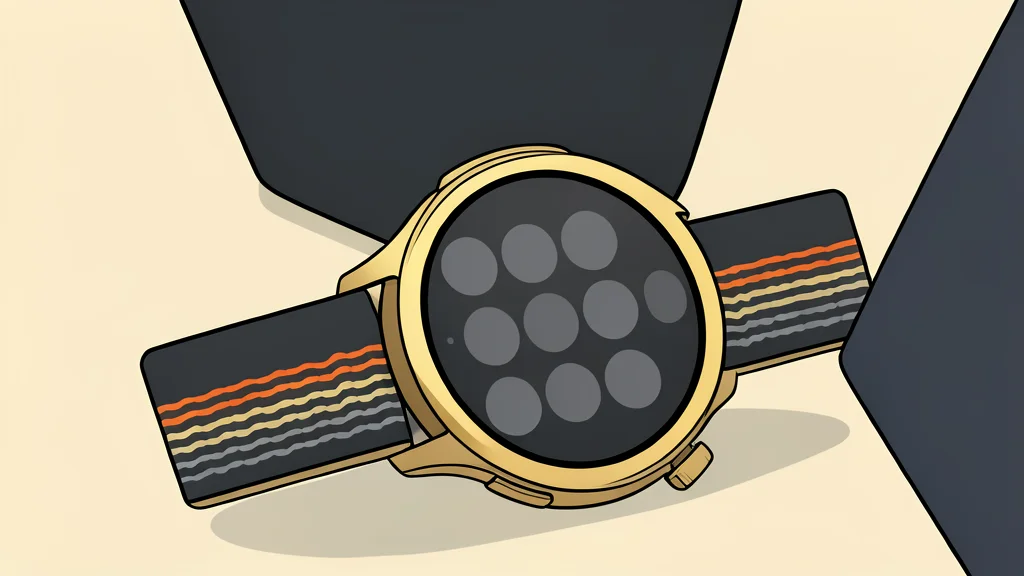
The decision between a pure fitness tracker and a smartwatch often comes down to what you need the device to do. Smartwatches provide additional amenities such as contactless payments, app downloads, and the ability to take calls. These features make them versatile daily companions. However, this versatility comes at a cost. Pure fitness trackers are generally cheaper and focus their hardware budget on sensors rather than processing power or display size. Some high-end trackers even eliminate screens entirely to maximize battery life and sensor capacity, prioritizing data accuracy over general utility.
Ultimately, the best choice depends on your specific fitness goals. If you are a swimmer or a serious athlete, you may need specialized water resistance or deep-dive metrics. If you primarily walk or do light workouts, a simpler device with robust GPS and battery life may be sufficient. The report suggests that users should align their purchase with their actual routine to avoid ending up with a device that sits unused in a drawer.