Eritrea Accuses Ethiopia of Supporting Sudan's Rapid Support Forces
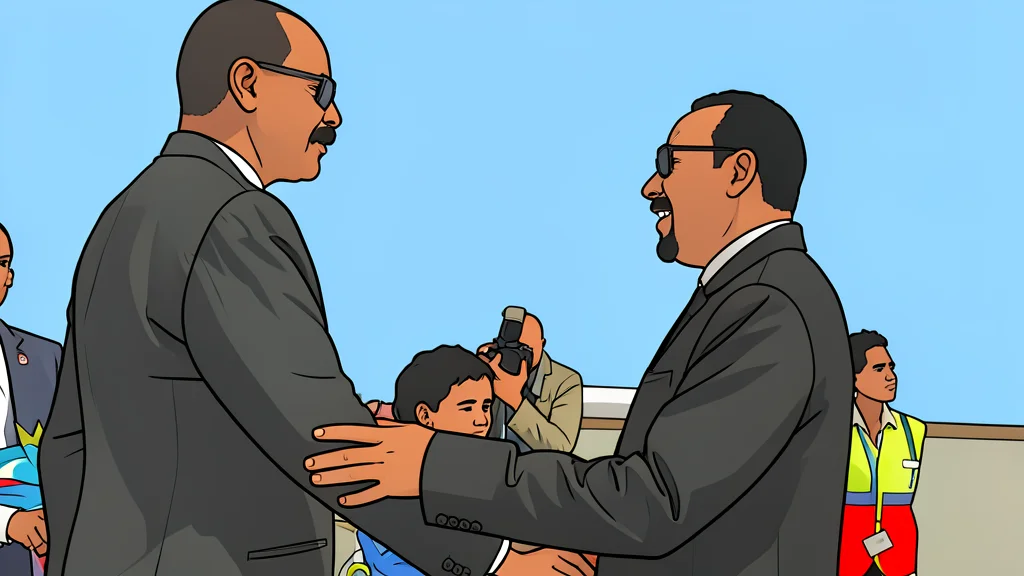
Asmara has escalated diplomatic tensions by alleging that Addis Ababa is actively destabilizing the Horn of Africa and providing material support to Sudan's Rapid Support Forces.
Eritrea has issued a sharp condemnation of its neighbor Ethiopia, accusing the government of Prime Minister Abiy Ahmed of actively destabilizing the Horn of Africa. According to a statement from the Eritrean Foreign Ministry reported by AFP, Asmara alleges that Addis Ababa is harboring and encouraging the Rapid Support Forces, the paramilitary group currently engaged in a devastating conflict with the Sudanese Armed Forces.
The allegations mark a significant escalation in a dispute that has been widening over recent months. While the two nations restored diplomatic ties in 2018 and even fought side by side in the Tigray war, relations have deteriorated rapidly since the Pretoria Agreement. This latest exchange of accusations adds a new layer of complexity to regional security dynamics, particularly concerning Red Sea access and cross-border military activities.
Allegations of Cross-Border Military Support
The core of the Eritrean complaint, as cited in reporting by GN auto geopolitics/africa: Horn of Africa, is the claim that Ethiopia is providing logistical and material backing to the RSF. Asmara stated that the Ethiopian government has been hosting and training elements associated with the group, which has been fighting the Sudanese military since April 2023.
It is important to note that no independently verifiable evidence was presented alongside these claims. The Eritrean statement relies on political assertions rather than documented proof, and the Ethiopian government had not responded to requests for comment at the time of the report. Consequently, these allegations should be understood as a position within the ongoing diplomatic standoff rather than an established fact.
Broader Regional Tensions and Opposition
Beyond the Sudan conflict, Eritrea also accused Ethiopia of supporting domestic opposition groups seeking to challenge Asmara's rule. The Eritrean Ministry of Information alleged that Addis Ababa has financed and hosted organizations pursuing a regime-change agenda for over three years. These accusations echo earlier statements from Eritrean officials who have repeatedly linked Ethiopian political actors to internal dissent within Eritrea.
The rhetoric reflects a broader breakdown in the post-2018 reconciliation process. Tensions have been exacerbated by Ethiopia's exclusion of Eritrea from the 2022 peace deal ending the Tigray war, as well as ongoing disputes over border security and access to the Red Sea. The situation remains fluid, with both governments engaging in hostile public diplomacy.
Diplomatic Stalemate and Future Outlook
The diplomatic channel between the two capitals remains strained. Ethiopia previously accused Eritrea of aggression and demanded the withdrawal of its troops, proposing negotiations on Red Sea access. In contrast, Asmara has rejected these overtures, framing its actions as defensive responses to what it describes as Ethiopian expansionism and interference.
Moving forward, observers will likely watch for any direct military incidents along the shared border or further escalatory rhetoric from either side. The connection between the Sudan war and Horn of Africa politics continues to blur, making it difficult to isolate bilateral grievances from broader regional conflicts. The next few weeks may reveal whether either government seeks a de-escalation or if the standoff deepens into a new phase of hostility.