Chile Marks Coup Anniversary with Detentions and Political Shifts
Commemorations for the 53rd anniversary of the 1973 military coup in Chile were marked by significant security measures, with hundreds detained as the government refrained from holding official ceremonies for the first time since the return to democracy.
Security forces in Chile detained 284 individuals during widespread protests and commemorative events marking the 53rd anniversary of the 1973 military coup. According to Security Minister Martín Arrau, the group included 31 minors and 16 foreign nationals who participated in gatherings across the country. These events coincided with a broader atmosphere of tension as citizens sought to honor victims of the dictatorship that lasted from 1973 to 1990.
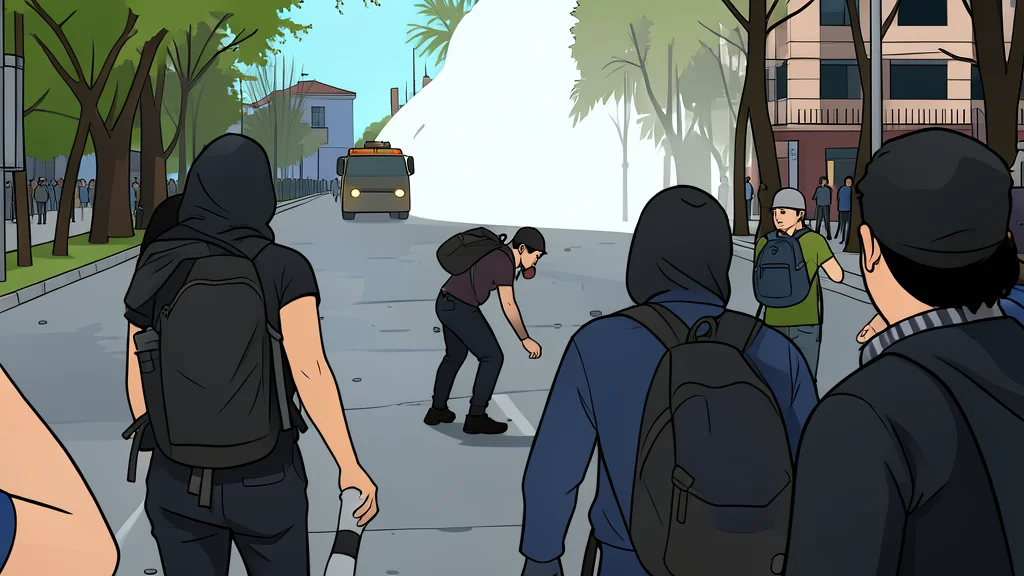
The protests drew thousands of participants to key sites in Santiago, including the La Moneda presidential palace and the National Stadium, a location historically associated with detention and torture during the regime. While the government reported a decrease in violent incidents compared to the previous year, the number of arrests rose significantly. Minister Arrau noted that no civilians were injured and public transport remained undamaged, despite clashes involving stone-throwing and the use of tear gas and water cannons by police.
Commemorations at Key Historical Sites
A central moment of the day took place at the Santiago General Cemetery, where the mausoleum of former President Salvador Allende is located. His daughter, former senator Isabel Allende, attended the service alongside current President Gabriel Boric, who is no longer in office but remains a prominent political figure. The gathering served as a focal point for remembrance of the thousands of people killed or disappeared during the Pinochet era, a period officially recognized by the state as having claimed over 3,200 lives.
The choice of venue underscored the symbolic weight of the anniversary, linking the current democratic framework to the memory of those who opposed the 1973 takeover. Participants emphasized the importance of remembering the human cost of the dictatorship while asserting their right to peaceful assembly. The presence of high-profile political figures highlighted the continuing relevance of this period in Chilean political discourse and national identity.
Government Stance on Historical Remembrance
The administration of President José Antonio Kast chose not to hold an official state commemoration for the anniversary, a decision described as unprecedented since Chile returned to democracy in 1990. Kast explained that while the government cannot erase history, it also cannot allow the past to indefinitely condemn the nation's ability to look toward the future. This shift in official protocol signals a changing approach to how the state engages with the legacy of the military regime.
According to reports from GN geopolitics/coup, this decision reflects a broader political strategy to move beyond the divisions of the past without denying the historical record. Critics argue that the absence of an official ceremony minimizes the suffering of victims, while supporters view it as a necessary step toward national reconciliation and forward-looking governance. The move has sparked debate among political analysts regarding the long-term impact on Chilean social cohesion and the role of the state in historical memory.
Future Implications for National Dialogue
As the anniversary passes, attention turns to how Chile will navigate the tension between remembering the past and pursuing future development. The significant increase in detentions, despite fewer violent incidents, suggests that security forces remain highly vigilant in preventing disruptions. Observers will watch closely for any further legislative or judicial actions related to human rights cases from the 1970s and 1980s, as well as the potential for renewed public mobilization in the coming months.