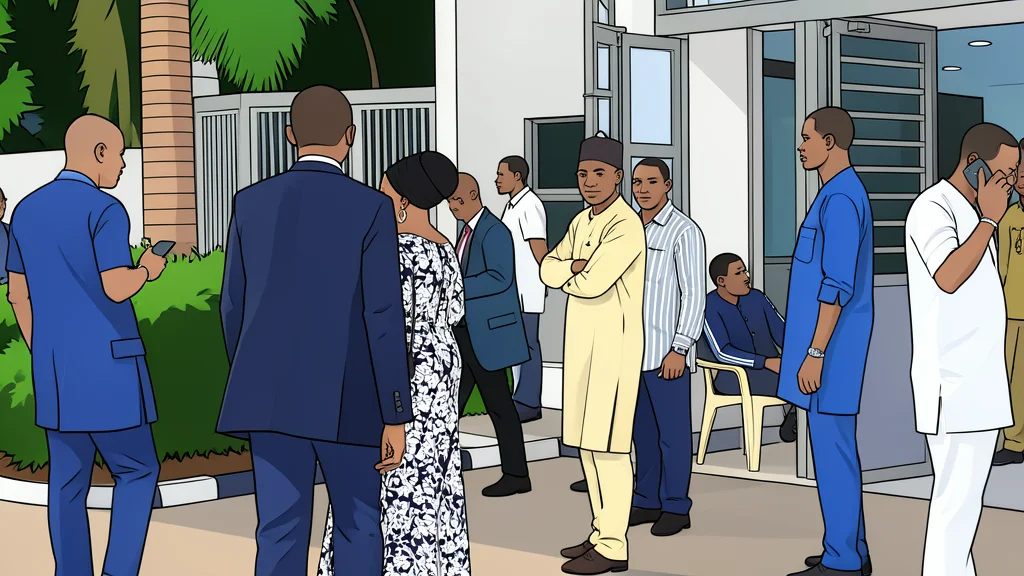
Ethnic Clashes in Disputed Abyei Region Leave 26 Dead
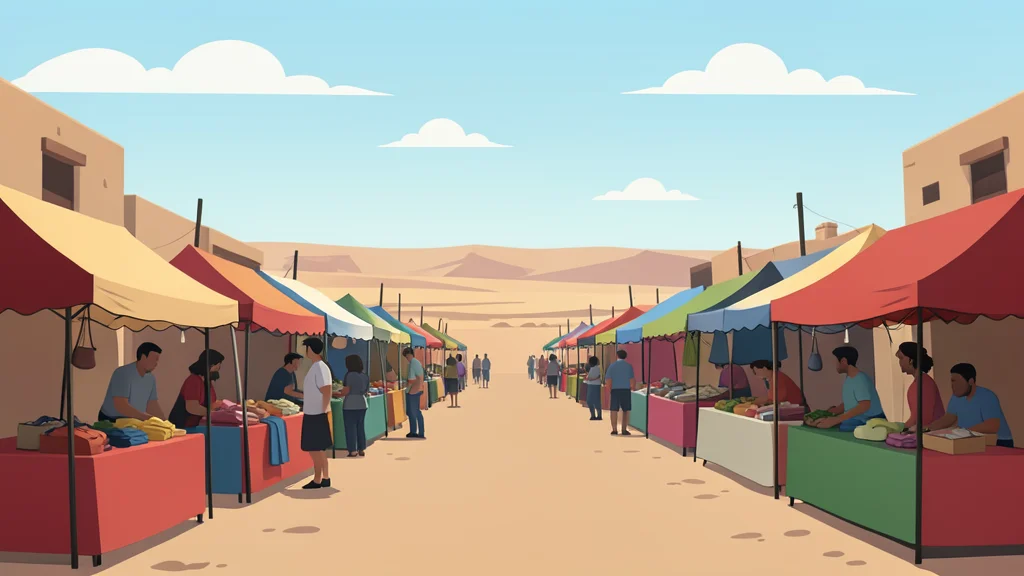
Violence erupted at the Amiet market in the disputed Abyei region, resulting in significant casualties and prompting urgent diplomatic calls for de-escalation between Sudan and South Sudan.
Clashes between the Ngok Dinka and Misseriya communities in the disputed Abyei region have resulted in at least 26 deaths and 82 injuries, according to the United Nations Interim Security Force for Abyei (UNISFA). The violence broke out at the Amiet Common Market, a critical economic hub where members of both communities routinely interact for trade and social exchange. UNISFA stated that the escalation followed the separate killings of one individual from each community earlier in the month, which reportedly heightened existing tensions and triggered retaliatory violence.
The incident underscores the fragile security situation in Abyei, a territory whose status remains unresolved since South Sudan’s independence in 2011. The region is jointly administered and oil-rich, making it a focal point of geopolitical and economic interest. UNISFA has since reinforced its security presence around the market and began engaging with community leaders to restore calm and prevent further loss of life.
UNISFA Deploys Additional Security Forces
In response to the outbreak of violence, UNISFA stated that it reinforced its deployment around the Amiet market and the wider Abyei area. The force, which numbers approximately 3,000 military personnel and police according to UNISFA, moved to secure the site and protect civilians. Lieutenant General Ganesh Kumar Shreshta, the head of the mission, emphasized that the priority is to prevent further casualties and to foster dialogue rather than retaliation.
According to reports from Al Jazeera and other outlets, the market was closed immediately after the clashes to prevent further incidents. UNISFA indicated that it is conducting intensive communications with leaders of both the Ngok Dinka and Misseriya groups. These leaders have reportedly renewed their commitment to dialogue and to reaching a peaceful settlement of the hostilities, although the underlying grievances remain unaddressed.
Disputed Territory Fuels Ongoing Tensions
The Abyei region has been a source of friction between Sudan and South Sudan since the latter gained independence in 2011. The lack of a final boundary agreement has left the area in a state of limbo, where local communities often bear the brunt of political uncertainty. The Amiet market serves as a rare point of contact between the two groups, making it a vulnerable flashpoint when tensions rise.
Coverage of the incident, as aggregated by GN auto geopolitics/africa: Sudan conflict, highlights a consistent narrative across multiple news sources. While some outlets varied in their description of the UNISFA force size, the core facts regarding the casualties and the trigger for the violence remain consistent. The incident is viewed by observers as a new deadly chapter in the long-standing dispute over the region.
Call For Dialogue Over Retaliation
UNISFA has urged both communities to prioritize dialogue over retaliation, warning that further violence would only deepen the rift. The force is working with local leaders to mediate a resolution, but the effectiveness of these efforts remains to be seen. The international community is watching closely, as stability in Abyei is crucial for broader regional peace and security.
As the situation evolves, attention will turn to whether the reinforced security measures can hold and if the community leaders can translate their commitment to dialogue into concrete actions. The next steps in this process will be critical in determining whether the region moves toward de-escalation or further instability.