Johannesburg's Kya Sands Faces Severe Waste Management Collapse
In the industrial suburbs of Johannesburg, illegal dumping has created a hazardous landscape as municipal services fail to keep pace with urban growth.
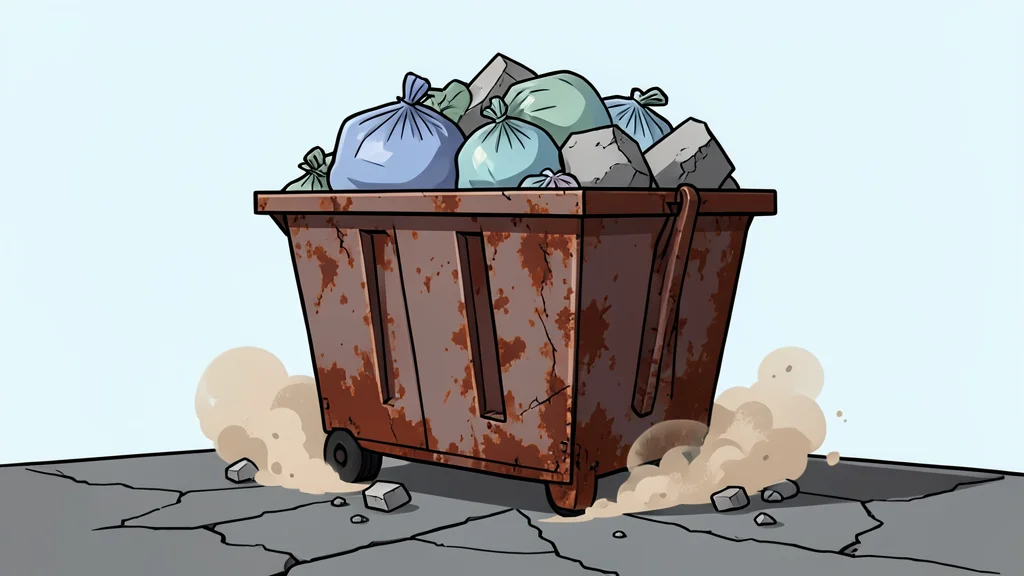
In the industrial suburb of Kya Sands, Johannesburg, a massive accumulation of illegally dumped waste has expanded to the point where it obstructs access to nearby roads. The pile, which has grown significantly since a municipal landfill nearby closed in 2010, now dominates the local valley. Thin smoke rises from the surface of the debris, indicating active burning of materials, a practice that exacerbates local air quality issues.
Local residents report that refuse collection delays have persisted for weeks, creating a vacuum that informal waste haulers are now filling. According to Africanews, this breakdown in official services has forced communities to manage the consequences themselves, raising serious concerns about public health, particularly for young children exposed to the unsanitary conditions.
Residents seek informal solutions
Linda Makole, a local resident, expressed deep concern over the impact of the environment on family well-being. She suggested that collective community action, such as pooling funds to hire private vans for litter collection, could mitigate the problem. Makole emphasized that reducing local litter is essential for improving the health outcomes of children living in the area.
Municipal mismanagement cited as cause
Municipal councillor Devon Steenkamp attributed the crisis to years of poor planning and management rather than temporary logistical issues. According to Steenkamp, while broken trucks and periodic strikes contribute to the delays, the root cause is a long-standing pattern of mismanagement that has undermined refuse collection services since late 2025.
A broader continental challenge
The situation in Kya Sands is indicative of a wider trend across Africa, where rapidly urbanizing populations are outpacing the capacity of waste disposal infrastructure. As cities grow, the volume of waste increases, testing the limits of municipal services and leading to similar public health and environmental challenges in other regions.
The immediate focus remains on the lack of reliable collection services in Johannesburg's industrial zones. The next steps will likely involve further scrutiny of municipal waste contracts and potential community-led initiatives to address the backlog, while the long-term resolution requires a comprehensive overhaul of urban waste management planning.