Pyongyang Rejects IAEA Resolution Amidst Military Overhaul
North Korea has formally dismissed a critical IAEA resolution, asserting its nuclear status is irreversible while citing alleged double standards by Western powers.
The North Korean Foreign Ministry has rejected a recent resolution from the International Atomic Energy Agency that criticized Pyongyang's nuclear weapons program. In a statement distributed by state-run media, officials declared the country's status as a nuclear power to be irreversible, a position they attribute to the strategic necessity of maintaining a credible deterrent. This diplomatic rebuff coincides with a period of intensified domestic military activity and external geopolitical maneuvering.
According to reports from the Korean Central News Agency, Kim Yo Jong, sister of leader Kim Jong Un, accused the IAEA of applying biased criteria that undermine the global non-proliferation framework. She argued that the agency ignores nuclear activities by the United States and South Korea while targeting North Korea's defensive capabilities. This narrative of uneven enforcement serves to justify Pyongyang's continued expansion of its arsenal despite international pressure.
Accusations of Institutional Bias
Kim Yo Jong specifically pointed to what she described as the blatant proliferation activities of Washington and Seoul, including plans for nuclear submarines. She claimed the IAEA forcibly adopted measures against North Korea while turning a blind eye to these other developments. The North Korean Foreign Ministry echoed these sentiments, labeling the resolution as a product of hostile forces seeking to dismantle the country's nuclear program during the agency's general conference.
A spokesperson for the ministry stated that the resolution has no legal or practical effect on the Democratic People's Republic of Korea's sovereign position. This rhetoric aligns with a broader strategy of delegitimizing international oversight bodies. By framing the IAEA as a tool of Western interests, Pyongyang aims to insulate its nuclear development from external scrutiny and potential sanctions enforcement.
Military Modernization and Strategic Alliances
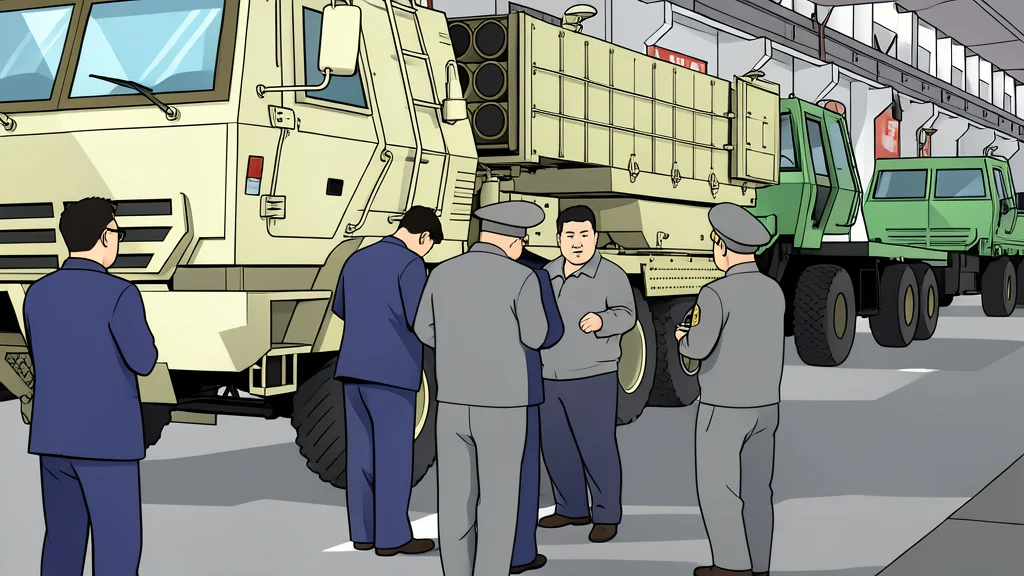
Behind the diplomatic statements, North Korea is reportedly undergoing a significant military overhaul. According to analysts, this transformation has been aided by cooperation with Russia, following the signing of a mutual defense treaty in 2024. Reports indicate that Kim Jong Un conducted a three-day inspection of major munitions factories this week, highlighting the regime's focus on industrial capacity and weapon production.
Experts suggest that combat experience gained by North Korean troops deployed to Ukraine has contributed to this modernization effort. The integration of such field experience with Russian technical support marks a notable shift in Pyongyang's military development. Simultaneously, Kim Jong Un has emphasized the need for innovative and aggressive ideological warfare, instructing propaganda workers to adopt new methods to counter foreign influence.
Diplomatic Outlets and Future Engagement
Despite the hostile rhetoric towards the IAEA, there are concurrent indications of potential diplomatic engagement. South Korean President Lee Jae Myung stated on Friday that US President Donald Trump seeks dialogue with Pyongyang. Seoul has expressed its willingness to facilitate these talks, aiming to improve relations with its neighbor. Trump, who previously met with Kim Jong Un during his first term, has indicated plans to meet the North Korean leader later this year.
The US President acknowledged the reality of North Korea's arsenal, referring to fifty-seven powerful nuclear weapons, while emphasizing the importance of getting along with Pyongyang. This dual-track approach—combining firm rejection of international oversight with openness to bilateral talks—presents a complex diplomatic landscape. Observers will watch closely whether these stated intentions for dialogue translate into concrete negotiations or remain largely rhetorical, given the entrenched positions on both sides.