Kenya's 2027 Vote Faces Legal Uncertainty over Tallying Centre
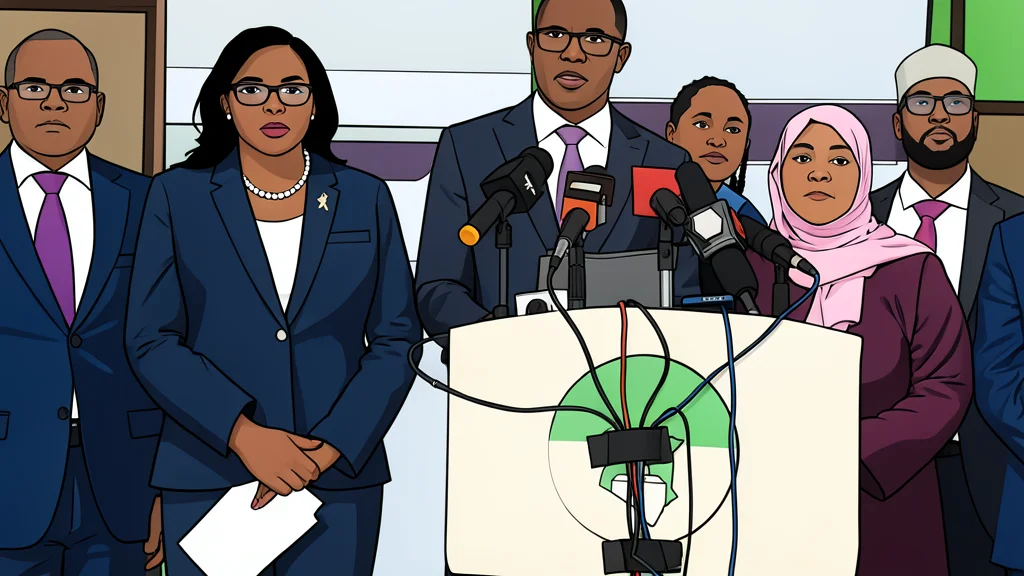
A pending High Court ruling will determine if the National Tallying Centre remains a constitutional fixture, sparking a debate that could reshape how Kenya counts presidential votes in 2027.
With the August 2027 general election eleven months away, the focus of Kenya’s political landscape has shifted to a legal dispute over the integrity of vote counting. The central question is whether the Independent Electoral and Boundaries Commission (IEBC) should maintain a National Tallying Centre for the presidential election. A High Court determination on the constitutionality of this facility is scheduled for September 22, 2026, setting the stage for a potential constitutional showdown.
According to reports from GN auto geopolitics/africa: Kenya elections, the petition was filed by Busia Senator Okiya Omtatah and opposition leaders, including Kalonzo Musyoka and Rigathi Gachagua. They argue that the establishment and operation of the National Tallying Centre are unconstitutional. The opposition contends that the Constitution designates the constituency as the primary and final point for tallying and declaring presidential results, rendering further national verification redundant and potentially dangerous.
Legal Arguments Over Constitutional Authority
Former Chief Justice David Maraga, now aligned with the opposition coalition, has voiced strong opposition to the centre. He asserts that the Constitution does not provide for such an institution and that the IEBC's role is to declare results rather than retally votes. This position is supported by former Attorney-General Justin Muturi and former Law Society President Nelson Havi. They cite Articles 86 and 138 of the Constitution to argue that allowing national-level re-verification undermines the finality of constituency-level declarations.
However, electoral experts point to the 2022 Supreme Court ruling, which clarified that while the chairperson holds the exclusive power to make the final declaration, the collective responsibility of tallying and verification at the National Tallying Centre lies with the IEBC. This distinction is viewed by proponents of the centre as a safeguard against unilateral control, ensuring that the process is an institutional rather than a personal exercise.
Political Stakes and Historical Context
The debate is fueled by lingering concerns from the 2022 presidential election petition, where the ODM party alleged manipulation of Forms 34A at the National Tallying Centre. Although these claims were dismissed by the Supreme Court, they continue to resonate with voters skeptical of centralized counting. The opposition argues that abolishing the centre will prevent opportunities for rigging, while supporters maintain it is essential for transparency and collective accountability.
Path to the Supreme Court
Given the high political stakes and the polarized nature of the arguments, the matter is likely to extend beyond the High Court. Observers expect the case to reach the Supreme Court, where it will serve as a definitive test of the boundaries of electoral administration. The outcome will not only dictate the logistics of the 2027 vote but will also set a precedent for the balance of power between independent electoral bodies and the judiciary in future cycles.