Miners in DRC Report Systematic Torture by M23

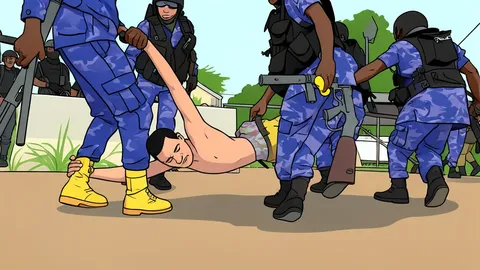
Amnesty International reports that artisanal miners in eastern DRC face beatings and forced labor under M23 control.
Key points
- Amnesty International reports that M23 fighters have committed torture and forced labor against miners in eastern DRC.
- Miners describe being beaten unconscious and held in shafts against their will, with wages as low as $2.17 per day.
- The report links these abuses to the trafficking of gold and coltan to Rwanda with the help of Rwandan authorities.
Artisanal miners in the eastern Democratic Republic of the Congo are reporting severe human rights violations, including torture and forced labor, according to a new report by Amnesty International. The organization states that fighters from the March 23 Movement, widely described as backed by Rwanda, have committed these abuses while facilitating the trafficking of gold and coltan to neighboring Rwanda.
The report highlights a pattern of arbitrary detention and summary killings in mining areas. Miners describe being held against their will in narrow shafts, subjected to daily beatings, and denied their rightful wages. The findings suggest that these abuses are not isolated incidents but part of a broader system of exploitation linked to the regional minerals trade.
Accounts of violence in mine shafts
One miner detailed an incident where he was beaten unconscious by a manager after three hours of work. He woke up in a hospital with bandages covering his head, arms, feet, and joints. The miner noted that the manager, although Congolese, had origins in Rwanda and acted under what the miners believe were orders from higher-ups. Such beatings, according to the report, occur multiple times a week, with victims sometimes left to die if no one intervenes.
Working conditions in the shafts are described as hazardous and exploitative. With approximately 120 diggers in each shaft, workers receive only a small piece of fried dough and water for the day. Wages are minimal, often around 5,000 Congolese francs per day, which is insufficient for basic needs. The physical toll of this labor, combined with the violence, has led to a decline in working capacity, with some miners now working only four days a week.
Linkage between armed groups and trade
Amnesty International asserts that Rwandan authorities have assisted in the trafficking of minerals to Rwanda. Miners report seeing individuals switch between civilian clothes and military uniforms, indicating a blurred line between armed combatants and civilian workers. These figures are described as the bosses who control the labor and the distribution of minerals. The presence of these armed actors in the mining areas has created an atmosphere of fear and coercion.
The report emphasizes that the demand for minerals such as coltan and gold, used in electronics, is driving this exploitation. Miners explicitly state that the blood spilled in the mines ends up in the hands of consumers worldwide. They call for legal extraction methods and proper treatment of workers, urging international advocacy to ensure that the minerals trade does not come at the cost of human life.
Calls for international monitoring and justice
In the interview, the miner expressed a desire for the world to understand the human cost behind the production of modern technology. He appealed for advocacy to ensure that laws are respected and that miners can live peaceful lives. The report concludes by highlighting the need for independent monitoring of the situation in eastern DRC to hold perpetrators accountable and to protect the rights of those working in the mines.
Amnesty International continues to document these abuses, urging governments and international bodies to take action. The organization stresses that the situation has worsened since previous reports, with a lack of funds and increased violence affecting the miners' ability to survive. The forward question remains how the international community will respond to these documented violations and whether effective measures will be taken to stop the trafficking of conflict minerals.