Nigeria Faces Acute Food Crisis Ahead of 2027 Elections
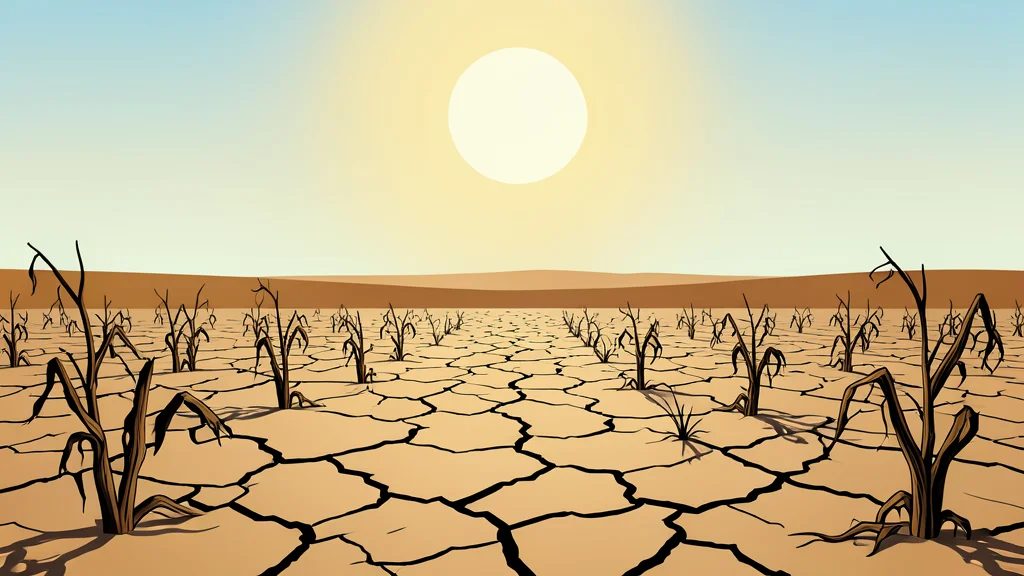
UN agencies report that nearly 35 million Nigerians are facing severe hunger, a crisis driven by conflict and inflation that risks defining the upcoming political cycle.
A joint report from the Food and Agriculture Organization and the World Food Programme indicates that approximately 34.8 million people in Nigeria are facing high levels of acute food insecurity. This figure places the country in the highest-concern group alongside nations experiencing famine conditions, a stark reality that contrasts with the relative silence in current political discourse.
According to the analysis, this crisis is not merely a statistical anomaly but a lived experience for millions, driven by a convergence of sustained insecurity, economic inflation, and climate shocks. As the country moves toward the 2027 general elections, the scale of this hunger raises critical questions about governance and the priorities of the incoming administration.
Scale of Hunger in National Context
To grasp the magnitude of the situation, the number of affected individuals is comparable to the combined populations of several European nations, including Norway, Denmark, and Switzerland. This demographic weight suggests a crisis that rivals those in other major global hotspots, yet it remains underrepresented in the mainstream election debates.
The report highlights specific regions where the situation is most dire, noting that Borno State faces the highest risk of catastrophic food insecurity. In these areas, the lack of basic needs has led to extreme malnutrition and starvation, a condition that distinguishes it from the broader economic hardships faced in other parts of the country.
Drivers of the Current Crisis
UN agencies identify armed conflict, rapid inflation, and climate shocks as the primary drivers of this emergency. In the northeast, insecurity has forced farmers to abandon their fields, while in commercial hubs, traders report that food prices are rising faster than household incomes.
These factors have created a volatile environment where daily survival becomes a challenge for many. The convergence of these pressures has pushed a significant portion of the population into a state where skipping meals is a common strategy for families trying to keep their children fed.
Political Implications for Upcoming Elections
Observers note that the failure to address this issue could have far-reaching socio-economic consequences. The current administration faces scrutiny for what critics describe as a governance gap, while opposition parties are urged to place food security at the center of their platforms.
As the 2027 elections approach, the question of how to feed the population is becoming a central point of contention. The coming months will likely see increased pressure on candidates to propose concrete solutions to the drivers of hunger, moving the discussion beyond general promises to specific policy frameworks.