Sudan's Henna Industry Faces Collapse Amid Conflict and Drought
A cultural staple and vital cash crop is suffering as irrigation systems fail and security deteriorates in River Nile state.
In the northern Sudanese town of Al-Damer, the application of henna to a bride’s hands remains a central ritual of celebration and identity. However, the supply of the plant itself is under severe strain. According to reports from GN auto geopolitics/africa: Sudan conflict, a combination of prolonged military conflict, erratic climate patterns, and water scarcity is threatening to extinguish a tradition that has persisted for centuries.
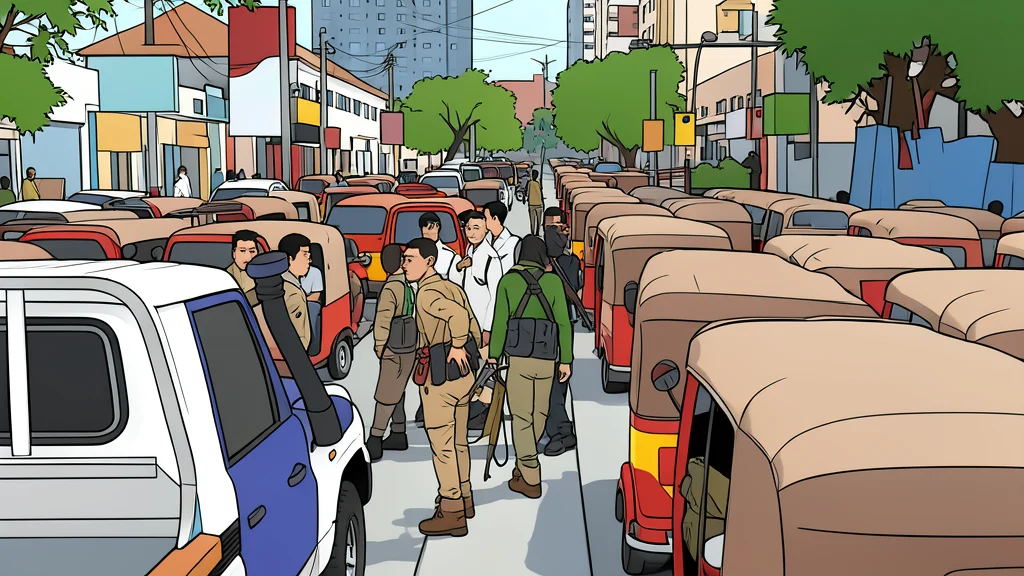
Local practitioners and farmers describe a landscape where the once-reliable flow of Nile water has become unpredictable. This disruption is not merely an environmental issue but a direct consequence of the ongoing war between the Sudanese army and the Rapid Support Forces. The damage to infrastructure and the neglect of agricultural systems have left a vital economic sector on the brink of collapse.
Water Scarcity Strains Agricultural Output
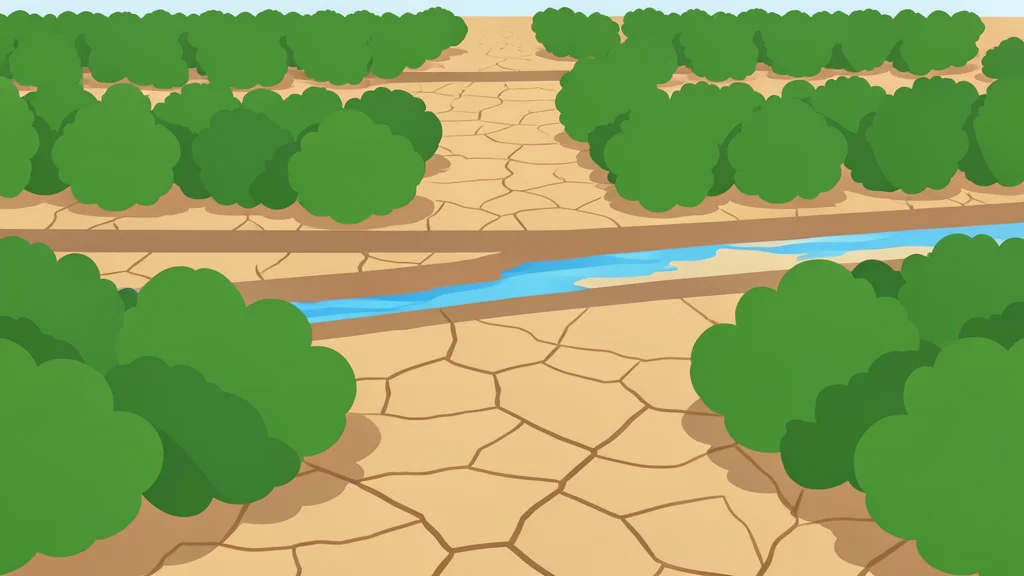
For decades, farmers in River Nile state have relied on canal-fed irrigation to cultivate henna shrubs. Recent accounts indicate that water delivery has become sporadic, often cutting off during critical growth periods. One local farmer noted that the land is slowly drying out, with access to water becoming the primary obstacle to production. This lack of consistent hydration is reducing both the quantity and quality of the harvest, directly impacting the livelihoods of those who depend on the crop.
The situation is exacerbated by broader climatic shifts. Data from the UN’s Food and Agriculture Organisation suggests that rainfall in key agricultural regions has been significantly below the long-term average. These weather disruptions, combined with the physical damage to irrigation networks caused by the conflict, have created a compounded crisis. Pumps sit idle while canals remain clogged, leaving fields parched at the most vulnerable stages of the growing cycle.
Economic Impact on Export Markets
Sudan was historically a major player in the global henna trade, exporting dye to consumers in the Gulf, Europe, and North America. The industry supports a wide range of livelihoods, from farming and processing to retail and beauty services. However, the war has disrupted these supply chains. Factory owners report that previous export routes via Omdurman are no longer viable, isolating producers from international markets and reducing the economic incentive to maintain production levels.
Despite the challenges, some processing facilities continue to operate, grinding leaves into powder for domestic use. Yet, the scale of operations has diminished. The Sudanese government has not provided updated figures on production or exports, leaving the full extent of the economic loss unclear. Without stable water access and security, the sector faces a future of contraction rather than recovery.
Cultural Erosion Amidst Instability
Beyond its economic value, henna is deeply embedded in Sudanese social fabric. It is used in family gatherings, religious celebrations, and, most prominently, bridal ceremonies. Beauty artists in Al-Damer describe the craft as both a passion and a heritage. As the supply of high-quality henna powder dwindles, the availability of the dye for these rituals is at risk. The fading of this tradition would represent a significant loss of cultural identity for the region.
The resilience of the local community is evident in the continued efforts to harvest and process the plant. Farmers use traditional sickles to cut leaves, and workers continue to dry and mill the product despite the hardships. However, the sustainability of these efforts is questionable without structural improvements to water management and a cessation of hostilities. The future of Sudan’s henna heritage depends on resolving the underlying geopolitical and environmental crises that now threaten its existence.