Nigerian Bishops Call for Credible 2027 Elections
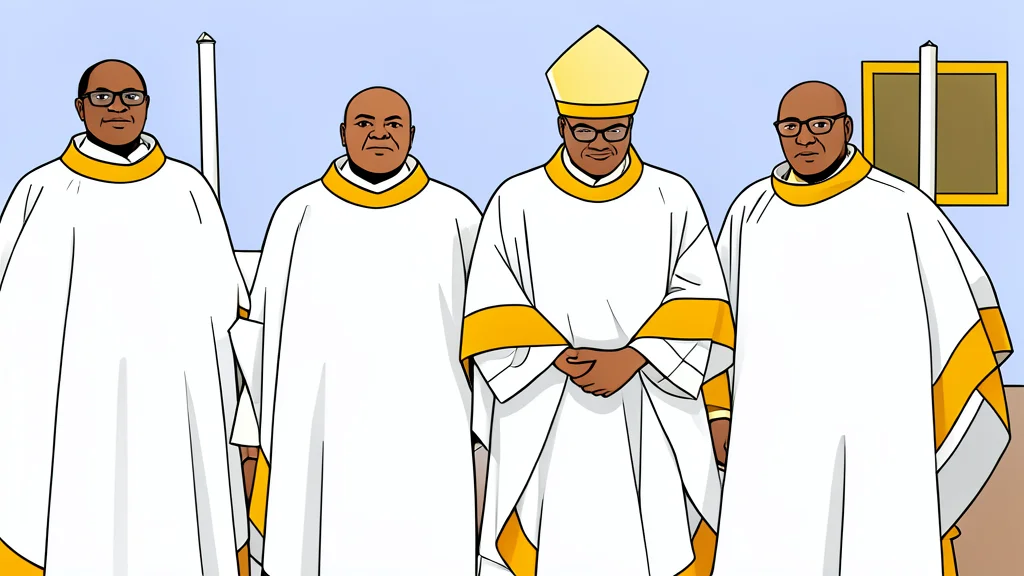
The Catholic Bishops' Conference of Nigeria has issued a stern appeal to the government and electoral commission to restore public confidence in the upcoming national polls, citing widespread fears of manipulation.
Archbishop Matthew Man-Oso Ndagoso, the president of the Catholic Bishops' Conference of Nigeria (CBCN), has urged the federal government and the Independent National Electoral Commission (INEC) to address growing distrust regarding the integrity of the 2027 general elections. Speaking at the conference’s second plenary in Osogbo, in South-Western Nigeria, the archbishop highlighted a pervasive sense of disenchantment among the populace over the potential manipulation of electoral processes. According to the CBCN, this deep-seated fear that votes may not count has the potential to significantly depress voter turnout, undermining the democratic mandate of the nation.
The bishops’ statement emphasizes that Nigerians are simply asking INEC to deliver elections that are free, fair, and credible. Man-Oso Ndagoso argued that such integrity is essential for placing the country on a path toward international respect. He specifically called for the removal of obstacles regarding the availability of voter cards, ensuring that eligible citizens can easily participate. The CBCN warned that anything short of transparent and credible elections would constitute a serious disservice to the nation, urging the political class to align their conduct with the national interest rather than partisan gains.
Citing Osun State as a Model
Despite the broader skepticism, the bishops pointed to the recent gubernatorial election in Osun State as a positive precedent. According to the CBCN, the conduct of that election was adjudged as free and fair by most observers and analysts, offering a glimmer of hope to many Nigerians. The bishops commended the citizens of Osun for their civic responsibility, noting that they voted and guarded their votes to ensure they counted. This local success story is being presented as evidence that credible elections are possible elsewhere in the country, challenging the narrative of inevitable electoral failure.
The conference also addressed the behavior of specific demographic groups, particularly young people. The bishops urged youth not to be exploited by desperate politicians who may use them as political thugs to achieve selfish ends. They warned that such political actors often reconcile after the elections, leaving the young individuals who risked their lives in the lurch. This appeal serves as a caution against the cynicism and cronyism that have historically plagued Nigerian politics, encouraging a more principled approach to civic engagement.
Church Role in Civic Education
The CBCN affirmed its commitment to educating the faithful through the National and Diocesan offices of Justice, Development and Peace Commission. By utilizing the Social Teachings of the Church, the bishops aim to enable believers to make informed decisions when choosing candidates. A pastoral letter is expected to further guide the faithful, while the church promises to continue its monitoring efforts. This approach positions the church not as a partisan actor, but as a moral guide seeking to elevate the quality of public discourse and decision-making.
In a specific directive regarding clergy, Archbishop Man-Oso Ndagoso urged priests to exercise caution in their use of social media. He emphasized that while digital spaces offer opportunities for modern evangelization, a priest’s online presence must remain a beacon of truth and communion. The archbishop warned against using social platforms for divisive rhetoric or self-promotion, insisting that clergy should safeguard the sanctity of their identity by exercising prudence and charity in the digital sphere.
Maintaining Democratic Resilience
The bishops noted that despite the flaws and frustrations associated with past elections, Nigerians have not called for a return to military rule. This resilience is seen as a testament to the enduring belief that democracy promises a better life and future for the people. The CBCN’s intervention, as reported by GN auto geopolitics/africa: Nigeria elections, underscores the critical role of non-state actors in sustaining democratic norms. The forward question remains whether the government and INEC will heed these moral appeals to implement the necessary reforms for a credible 2027 vote.