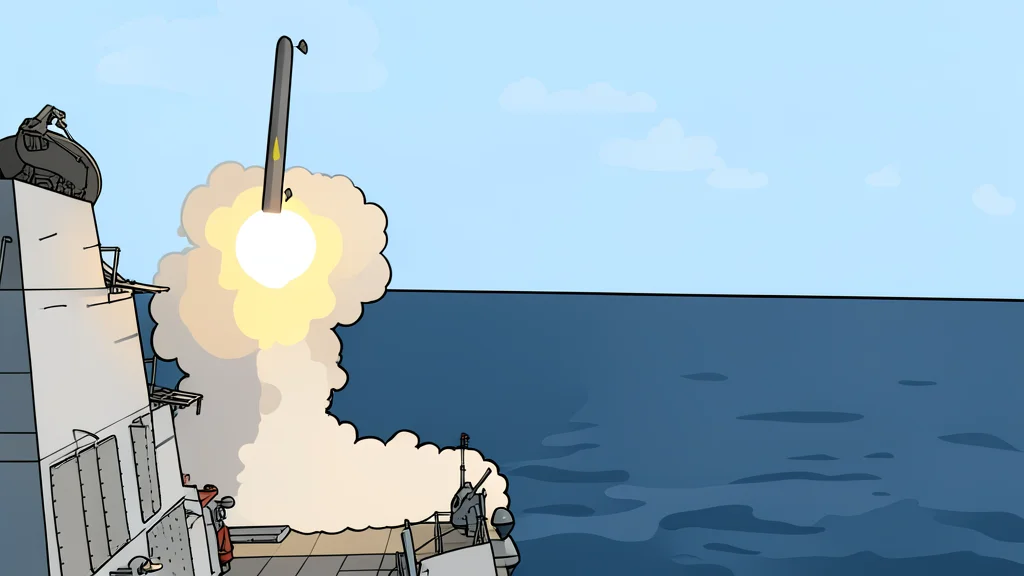
Korean Bishops Urge Diplomatic Caution over Hormuz Deployment

South Korea’s Catholic bishops have formally opposed reports of a military deployment to the Strait of Hormuz, arguing that diplomatic avenues must be exhausted before any armed contribution is made to regional security.
The Justice and Peace Committee of the Catholic Bishops’ Conference of Korea issued a statement on Monday opposing the reported government plan to send troops and military assets to the Strait of Hormuz. According to the committee, chaired by Bishop Kim Ju-young, the state should prioritize exhausting all diplomatic options before engaging in military operations within the volatile Middle East region.
This appeal arrives amid growing public debate regarding Seoul’s potential role in safeguarding commercial vessels traversing one of the world’s most critical maritime chokepoints. While the bishops acknowledge the state’s obligation to protect South Korean citizens, including seafarers, they warn that such protection should not automatically precipitate the use of force, particularly if it risks escalating tensions or drawing the nation closer to armed conflict.
Moral criteria for military engagement
The committee grounded its objection in Catholic teaching, which permits the use of military force only under strict moral conditions. Citing principles from the Catechism of the Catholic Church, the bishops noted that all peaceful means must first be shown to be ineffective. Furthermore, they argued that the damage caused by force must not exceed the evil it seeks to remove, and there must be a serious prospect of success.
The statement emphasized that the Church has consistently urged governments to avoid war and pursue ceasefires, dialogue, and negotiations. The committee questioned whether the government had fully reviewed non-military alternatives, such as diplomatic protection, cooperation with international organizations, and maritime safety support, before considering a military dispatch.
Regional instability and civilian costs
The bishops highlighted the urgent need for a diplomatic approach in the Middle East, a region where continuing conflicts have already resulted in significant civilian casualties and displacement. They warned that sending troops to a conflict zone, even for non-combat or navigation safety roles, is by no means a light decision. The committee argued that the means to achieve peace must be as peaceful as the end, rejecting the notion that a good end justifies all military means.
Diplomatic alternatives under review
According to the source material from GN auto geopolitics/asia-pacific: Korea Strait, the committee specifically asked if the government had considered humanitarian engagement and cooperation with international bodies before opting for a military solution. The bishops maintained that protecting citizens and contributing to the common good are valid state responsibilities, but they cautioned that these goals do not inherently mandate a military response.
As discussions continue, the focus remains on how Seoul balances its security obligations with the risks of regional escalation. The forward question centers on whether the government will proceed with the reported deployment or if diplomatic channels will take precedence in the coming weeks. Observers will watch for official statements from the South Korean Ministry of National Defense and the National Assembly as they respond to the ecclesiastical critique.