Obi Urges Issue-Based Politics Ahead of 2027 Nigerian Elections

Peter Obi advocates for substantive policy engagement over rhetorical campaigning during a recent visit to Kaduna State, setting a tone of cautious realism for the upcoming electoral cycle.
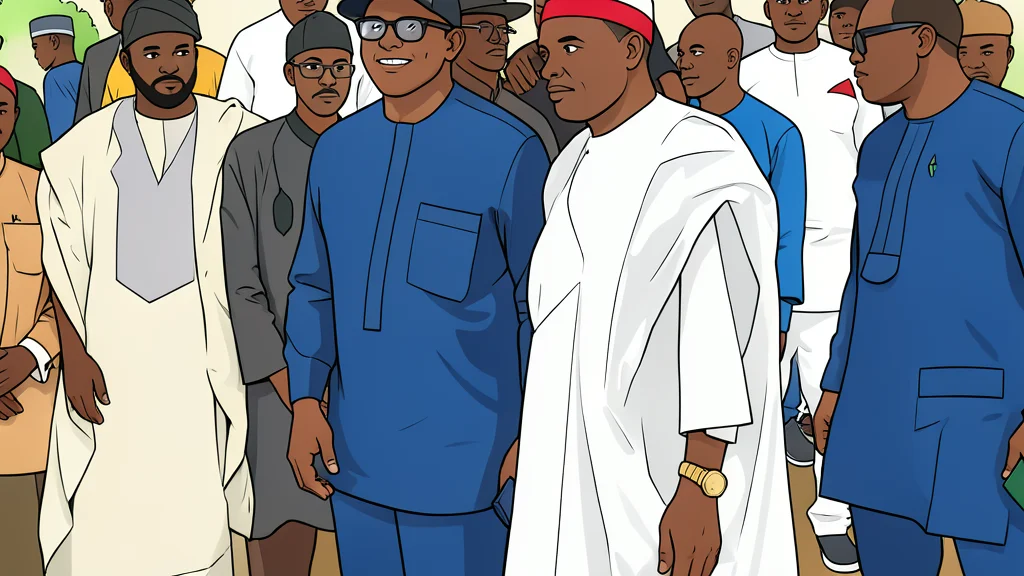
Peter Obi, the presidential candidate for the Nigeria Democratic Congress (NDC), has urged political rivals to prioritize substantive policy discussions over grandiose promises during the lead-up to the 2027 general elections. According to reports from GN auto geopolitics/africa: Nigeria elections, Obi made these remarks during a town hall meeting in Kaduna State, emphasizing that campaigns should be driven by genuine public demands rather than mere rhetoric. He argued that leaders must focus on the specific challenges facing citizens to ensure that any eventual governance is grounded in practical solutions rather than unfulfilled expectations.
The former Anambra governor suggested that the current political landscape requires a shift toward issue-based engagement. He contended that candidates from various parties should refrain from making commitments that are impossible to execute once in office. This stance reflects a broader strategic effort by the NDC to position itself as a pragmatic alternative in a crowded political field, appealing to voters who are increasingly skeptical of traditional campaign narratives.
Redefining Presidential Presence and Accountability
In a notable departure from conventional diplomatic norms, Obi pledged to spend his annual leave within Nigeria if elected. He proposed using this period to visit communities that are often marginalized or affected by insecurity, thereby maintaining close proximity to the populace. This commitment to domestic engagement underscores a vision of leadership that prioritizes direct interaction with citizens over international ceremonial duties, aiming to bridge the gap between the executive office and the lived realities of ordinary Nigerians.
The candidate’s remarks were part of a broader strategy to reframe the discourse around presidential responsibilities. By advocating for a president who remains embedded in the national fabric, Obi seeks to distinguish his platform from competitors who may rely on more distant or symbolic forms of governance. This approach aligns with a growing demand for transparency and tangible results in public service delivery.
Grassroots Mobilization in Northern Nigeria
The Kaduna town hall served as a key venue for the NDC to strengthen its grassroots presence in the northern region. Rabiu Kwankwaso, the party’s vice-presidential candidate, used the opportunity to encourage voter participation, highlighting the importance of civic duty in shaping the country’s future. The event allowed for direct interaction between party members and supporters, providing a platform for them to raise socio-economic concerns and political grievances directly to the leadership.
This engagement forms a critical component of the party’s efforts to communicate its political message effectively to a diverse electorate. By facilitating open dialogue, the NDC aims to consolidate support in regions where political dynamics are complex and competitive. The focus on direct engagement suggests a strategy that values community-level feedback as a primary driver of policy formulation and campaign messaging.
Strategic Implications for the Electoral Cycle
As the 2027 elections approach, the emphasis on issue-based campaigning signals a potential shift in Nigerian political dynamics. If other parties adopt similar pragmatic approaches, the electoral contest may become more focused on policy substance and delivery capabilities. However, the challenge remains in translating these rhetorical commitments into actionable governance plans that resonate with a diverse and often skeptical electorate.
Observers will be watching closely to see how other candidates respond to Obi’s call for realism. The coming months will likely reveal whether this trend toward substantive engagement gains traction or remains a distinctive feature of the NDC’s strategy. The outcome of this discourse will have significant implications for the quality of political debate and the expectations placed on the next administration.