Red Sea Rivalries Test African Strategic Leverage
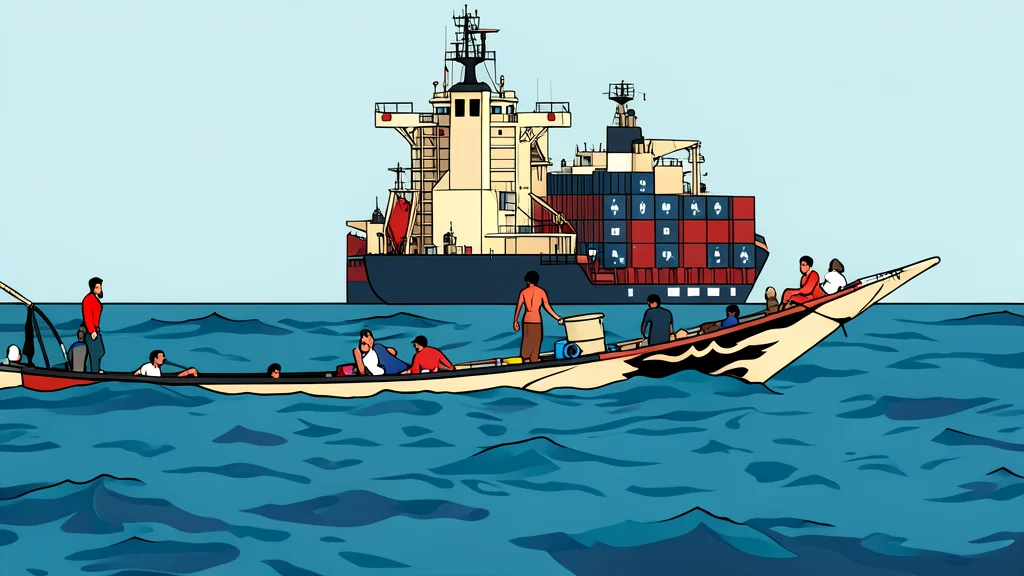
Competing Gulf interests and regional conflicts are reshaping security dynamics along the Red Sea, offering African states both risks and opportunities for influence.
The geopolitical landscape along the Red Sea is undergoing a significant shift as overlapping crises in the Middle East draw African nations into a broader macro-conflict system. According to analysis from GN auto geopolitics/africa: Horn of Africa, the current instability stems from multiple concurrent factors, including military tensions involving Iran and renewed disruptions to shipping lanes by Houthi groups. These events are not occurring in isolation but are interlinked with broader shifts in regional security alliances.
As traditional security guarantees come under scrutiny, regional powers are adopting more hedging strategies. This has created a fluid environment where African states, particularly those with coastal access, find themselves at the center of competing interests. The result is a complex web of partnerships and rivalries that could either fragment the region or provide new avenues for strategic leverage, depending on how local actors navigate these external pressures.
Gulf Powers Realign Security Strategies
Recent military actions have led to a reassessment of long-standing security assumptions in the Gulf. The United Arab Emirates and Saudi Arabia, once coordinated in countering Iranian influence, are now pursuing divergent paths. Abu Dhabi is expanding its footprint through infrastructure investments and ties to various armed actors across Yemen, Sudan, and Somalia, while also deepening relations with Israel following the Abraham Accords.
In response, Riyadh is strengthening state-centric alliances to counterbalance these moves. By coordinating more closely with Egypt, Pakistan, and Turkey, Saudi Arabia aims to reinforce recognized central authorities and constrain the influence of its Gulf rival. This competition for regional leadership is increasingly manifesting in the Horn of Africa, where both nations seek to secure strategic advantages through infrastructure and political engagement.
Ethiopia Navigates Sovereignty and Access
Landlocked Ethiopia faces a critical challenge in securing reliable sea access to reduce its dependence on Djibouti. While the development of the Berbera port in Somaliland initially offered a promising alternative, the 2024 cooperation memorandum sparked diplomatic friction with Somalia. Since then, a Turkish-brokered agreement has reaffirmed Somalia’s territorial integrity, shifting the focus to negotiating commercial access under Somali sovereignty.
Despite this diplomatic recalibration, Ethiopia remains entangled in Gulf competition. Turkey has emerged as a key mediator between Ethiopia and Somalia, while the UAE maintains deep commercial and political ties with both Ethiopia and Somaliland. Recent reports of logistical networks supporting armed groups in Sudan, which have been denied by relevant parties, further complicate the regional security picture and heighten tensions among neighboring states.
Egypt Balances Canal Interests and Rivals
Egypt occupies a unique position at the northern end of the Red Sea, controlling the strategically vital Suez Canal. Disruptions in the Bab al-Mandab Strait directly impact Egyptian revenues and security interests, particularly given the instability in neighboring Sudan and Somalia. Cairo’s long-standing rivalry with Ethiopia has influenced its foreign policy, driving it closer to Saudi Arabia as a counterweight to other regional actors.
The inauguration of the Grand Ethiopian Renaissance Dam in 2025 has further intensified these tensions, adding a new layer of complexity to Egypt’s regional strategy. As the Red Sea becomes a focal point for great power competition and regional rivalry, African states must carefully weigh their options to avoid deeper geopolitical fragmentation while seeking to turn these external pressures into domestic strategic advantages.