Lithuania Details Evacuation Routes Amid Rising Baltic Security Tensions
Lithuania has disclosed specific evacuation protocols that rely on Polish transit corridors, a move that underscores the deepening security concerns along NATO’s eastern flank in the face of recent hybrid threats.
Lithuania’s interior ministry has approved a detailed evacuation framework intended to protect its population in the event of a military or civilian threat. According to recent disclosures, the plan designates Poland’s Podlaskie province as a critical transit corridor for residents who need to leave the country. This strategic alignment between Vilnius and Warsaw highlights a growing reliance on neighboring infrastructure as security conditions in the Baltic region deteriorate.
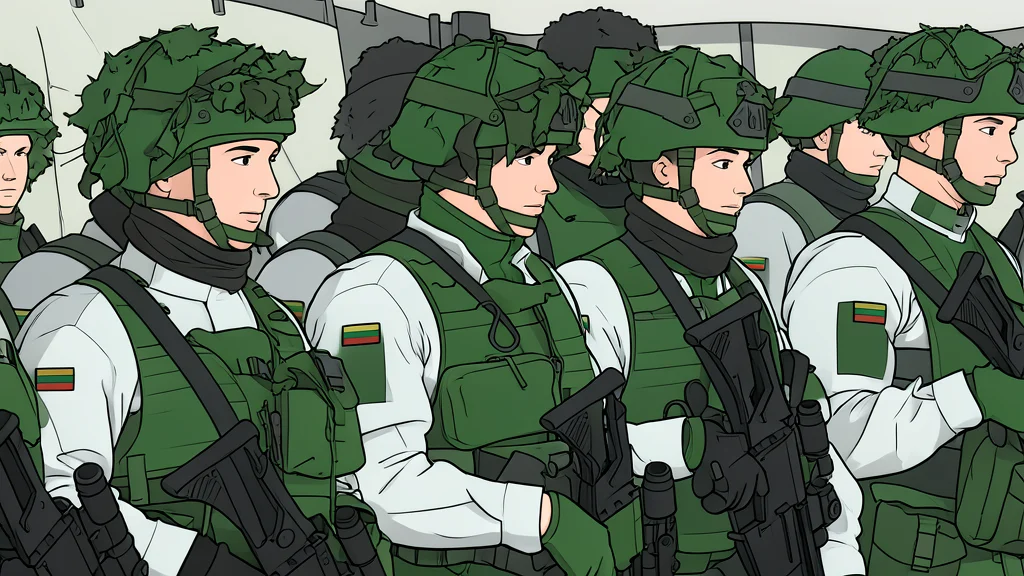
The decision to formalize these cross-border routes comes amid urgent warnings from NATO leaders regarding increased belligerence from Moscow. Officials emphasize that the evacuation process must begin before an immediate threat materializes, aiming to transform what could be a chaotic flight into a controlled civil defense operation. The plan prioritizes vulnerable groups, including families with young children, the elderly, and those with disabilities, while expecting three-quarters of the population to evacuate independently.
Strategic Transit Through Poland
Zygimantas Solovyovas, a representative from Vilnius’s Civil Defense Department, clarified that residents should not wait until shelling begins to initiate their departure. He stated that the goal is to acclimate the public to the idea that evacuation is a managed process rather than a reaction to active combat. While two of the three main routes remain within Lithuanian territory, heading north and west, the third route extends directly into Poland.
Polish authorities have engaged local governments in the Podlaskie region to coordinate emergency planning and support this transit function. This cooperation is viewed by analysts as a direct response to the broader conflict in Ukraine and the perceived risk of escalation into other European states. By integrating Polish infrastructure into its civil defense strategy, Lithuania is reinforcing a shared defensive posture that extends beyond its own borders.
Recent Incidents Spark Alarm
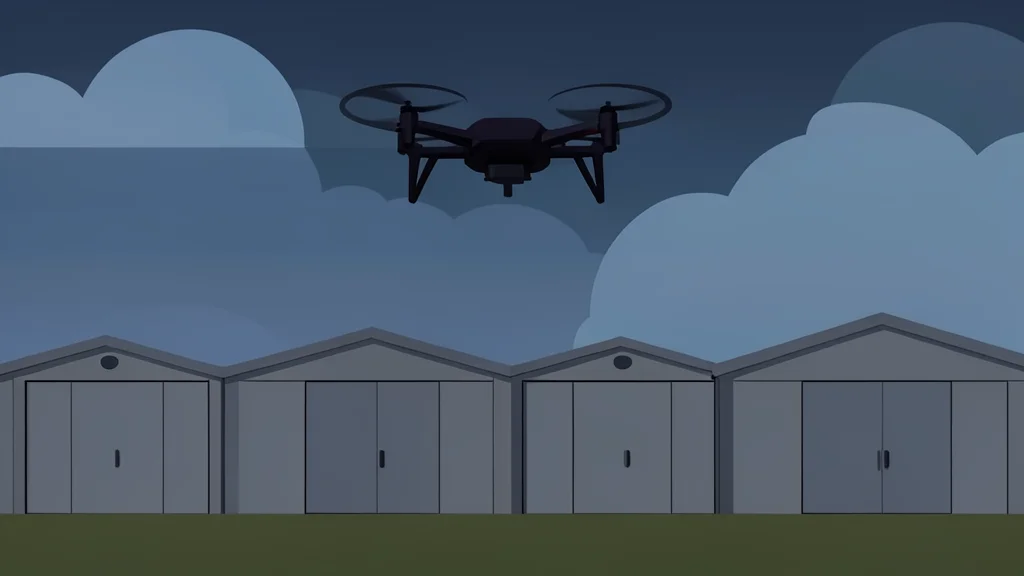
The urgency of these preparations is underscored by recent events, including the interception of a drone carrying explosives that entered Lithuanian airspace from Belarus. President Gitanas Nauseda suggested that Moscow may be deliberately allowing such drones to deviate from their intended paths, potentially to test NATO’s response mechanisms. This incident aligns with warnings from Polish Prime Minister Donald Tusk, who cited intelligence indicating that Russia may launch drones or missiles toward countries supporting Ukraine.
According to reports from GN geopolitics/nato, these developments have prompted a series of defensive measures across the Baltic states. The atmosphere of tension has shifted from theoretical deterrence to practical preparation, with governments sharing intelligence and coordinating military assets. The frequency of hybrid warfare tactics, such as drone incursions, has raised the stakes for civilian safety and infrastructure protection in the region.
Fortifying the Eastern Border
In parallel with the evacuation planning, Lithuania is significantly expanding its defensive fortifications along the border with Belarus and the Kaliningrad region. Defense Minister Robertas Kaunas stated that these physical barriers and fortifications will extend up to 50 kilometers from the border, a measure designed to limit the maneuvering capabilities of an adversary. This physical hardening complements the administrative steps taken to prepare the civilian population for potential displacement.
Neighboring Latvia is also bolstering its air defenses, with Germany deploying four Eurofighter jets to the Lielvārde Air Base ahead of upcoming elections. This temporary reinforcement symbolizes the broader NATO commitment to protecting the eastern flank, even as normalcy is disrupted by the need for external military support. The combination of physical fortifications, air defense reinforcements, and detailed evacuation protocols illustrates a comprehensive approach to managing the heightened security environment in the Baltic states.