Sudan Gold Mine Collapse Kills Dozens in Remote Province
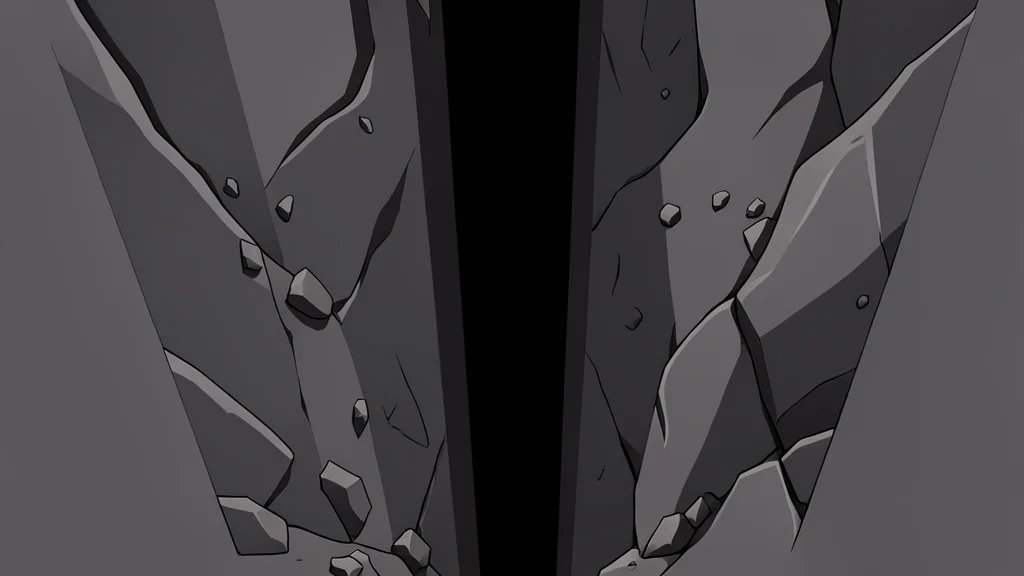
At least 60 people have died in a major gold mine collapse in West Kordofan, an area controlled by the Rapid Support Forces. Rescue efforts are hampered by a lack of heavy machinery and difficult terrain, with many miners still trapped beneath the rubble.
A catastrophic collapse at the al-Zara gold mine in Sudan’s West Kordofan province has killed at least 60 people, according to reports from medical groups and local survivors. The incident, which occurred late on Tuesday in the town of Nuhud, has left a significant number of individuals missing, with authorities warning that the death toll is likely to rise as search operations continue amidst the debris.
The al-Zara site is located in a region under the control of the paramilitary Rapid Support Forces, which has been engaged in a protracted conflict with the national military for over three years. This ongoing war has severely constrained infrastructure and emergency response capabilities in the area, complicating efforts to reach those trapped underground. According to France 24, the situation reflects the broader humanitarian crisis in Sudan, where basic safety standards in extractive industries have deteriorated significantly.
Rescue efforts face severe logistical barriers
Survivors described the scale of the destruction as massive, noting that the mine consists of several deep shafts that have caved in. Khairal-Sayed Gabara, one of the few who escaped the immediate vicinity, stated that heavy machinery required to clear the collapsed soil and rock is not readily available in the remote location. This lack of equipment has slowed progress, leaving rescue teams dependent on manual labor to dig through unstable ground.
Al-Amin Suliman, a local miner, confirmed that numerous colleagues remain trapped inside the structure. The absence of professional rescue equipment means that every minute counts, yet the process of clearing the rubble is painstakingly slow. Medical responders on the ground have indicated that the current death toll of 60 may be an underestimate, as many bodies have yet to be recovered and the condition of those still missing remains unknown.
Mining risks persist amid ongoing conflict
Sudan is a significant producer of gold, but the sector is plagued by poor safety standards and a lack of regulatory oversight. Similar tragedies have occurred in recent years, including a collapse in 2023 that killed 14 miners and another in 2021 that claimed 38 lives. These incidents highlight a pattern of fatal accidents in artisanal and small-scale mining operations, where workers often lack protective gear and proper training.
The conflict between the Rapid Support Forces and the Sudanese army has exacerbated these dangers by disrupting supply chains and limiting access to international aid and technical assistance. With millions of people displaced and infrastructure damaged, the economic pressure to continue mining operations persists despite the high risk to human life. The al-Zara tragedy underscores the human cost of the war, which has turned even basic economic activities into life-threatening endeavors for local communities.
Uncertainty remains over missing miners
As night falls on the mining site, the focus shifts to the fate of those still missing. Without heavy excavation equipment, the chances of finding survivors in the coming hours are diminishing. Local authorities and medical groups are urging for the immediate deployment of technical support, though the geopolitical instability in the region makes such coordination difficult. The forward question now centers on whether the death toll will climb significantly as the full extent of the collapse is assessed.