South Sudan Dismisses Electoral Chief Ahead of Scheduled Vote
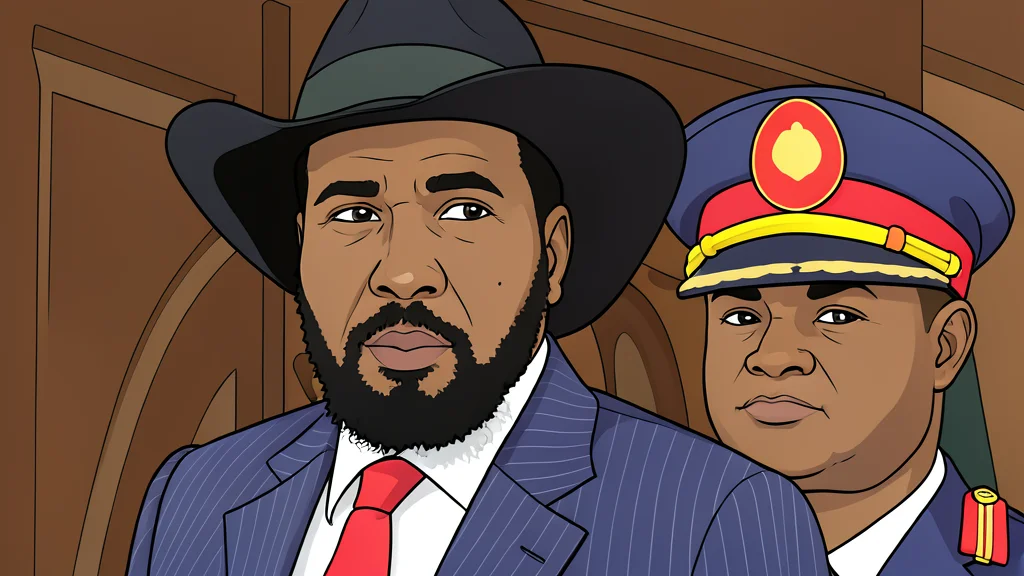
President Salva Kiir has removed the head of the National Elections Commission just months before the country's first general election, raising legal and logistical concerns.
Juba, South Sudan — President Salva Kiir announced on Tuesday night the immediate removal of Abednego Akok Kacuol, the chairperson of the National Elections Commission. The decision was made without a public explanation and comes just three months before the country is scheduled to hold its first general election since gaining independence in 2011. Kacuol is to be replaced by Gabriel Bol Deng Majok, who previously served as the commission’s secretary general.
The timing of the dismissal has drawn sharp criticism from legal experts and political analysts. According to the National Elections Act, the removal of an electoral body chairperson requires adherence to specific legal procedures and grounds, such as proven partiality or gross misconduct. Critics argue that the president lacks the sole authority to make such a change without following these detailed protocols, potentially undermining the credibility of the upcoming electoral process.
Legal Challenges to Dismissal
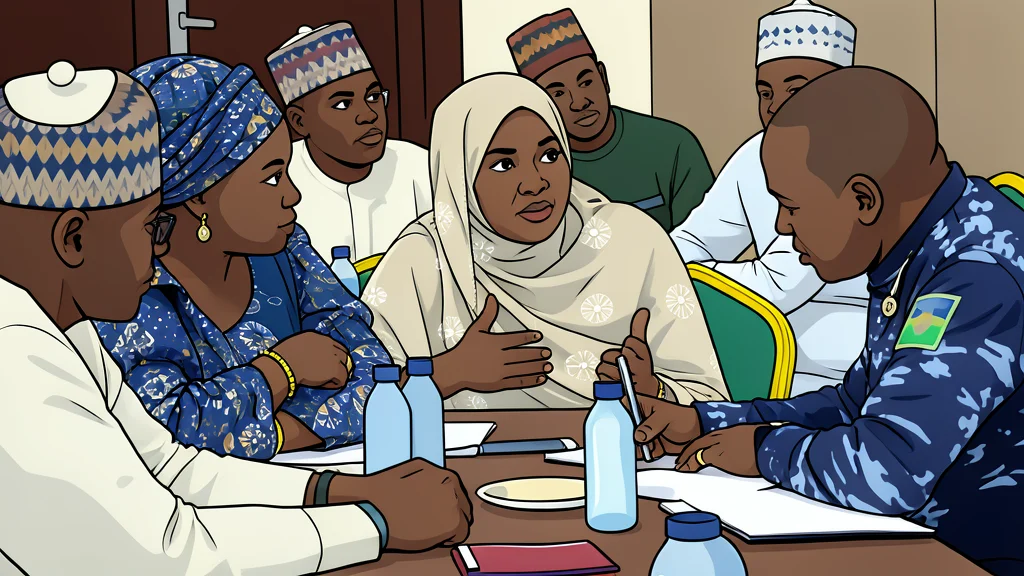
Boboya James Edmond, chief executive officer of the Institute of Social Policy Research in South Sudan, stated that the decision failed to meet legal requirements. He noted that the president is effectively acting as a referee rather than a participant, which could add significant uncertainty to the transition. The National Elections Act outlines specific grounds for removal, and the absence of cited violations has led to questions about the legality of the move.
The new chairperson will need time to familiarize himself with the role and make necessary decisions to complete preparations. This sudden change in leadership is viewed by some as a tactic to delay the electoral timeline, further complicating an already fragile political environment.
Impact on Electoral Preparations
Political analyst Abraham Kuol Nyuon, dean of the University of Juba graduate college, described the move as a delay tactic. According to Nyuon, the leadership change could further complicate critical preparations, including voter registration. He suggested that the people of South Sudan should forget about the December 22 polls, given the disruption to the commission's operations.
South Sudan has repeatedly postponed elections since 2011, citing delays in implementing the 2018 peace agreement that ended a five-year civil war. The transitional period has been extended several times, and the current roadmap expects the transitional government to dissolve on September 22, with elections set for December 22.
International Warnings on Stability
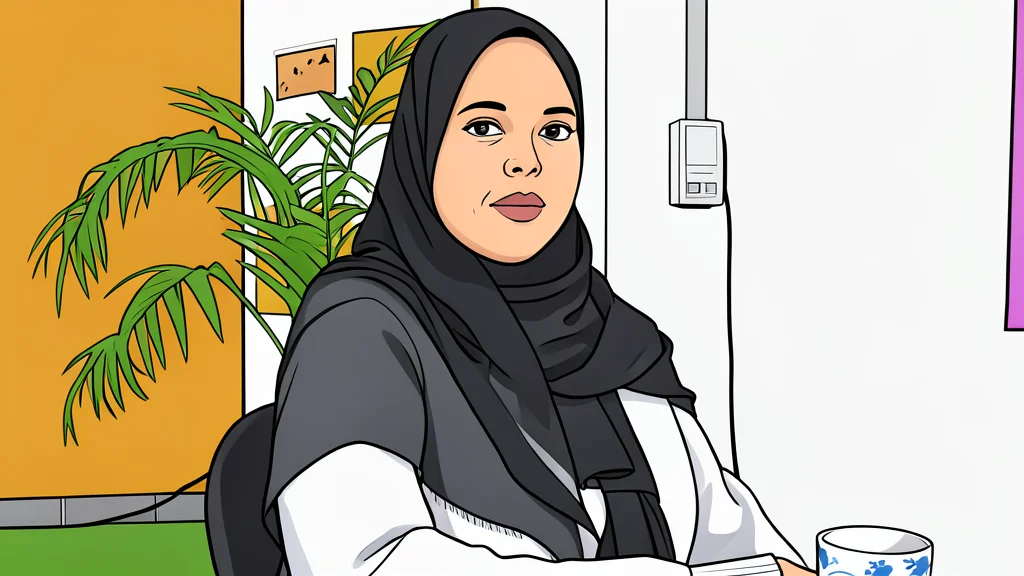
The UN Commission on Human Rights in South Sudan warned last week that elections without safeguards and inclusive political dialogue could fuel renewed conflict. Yasmin Sooka, the commission’s chairperson, emphasized that the country must use this moment to restore political dialogue, protect civilians, and put in place the safeguards needed for a peaceful and credible transition.
As the deadline approaches, the situation remains tense. Observers from the GN auto geopolitics/africa desk note that the removal of the electoral chief is a significant development that could reshape the political landscape. What to watch next is whether the new leadership can stabilize the process before the scheduled vote, or if further delays are inevitable.