Sudan Mine Collapse Kills Dozens Amid Ongoing War

A deadly collapse at an informal gold mine in West Kordofan has claimed at least 67 lives, highlighting the hazardous conditions facing unregulated workers in the conflict zone.
At least 67 people have died in a gold mine collapse in remote Sudan, according to a medical monitoring group and survivors. The incident occurred at the al-Zara mine in Nuhud, West Kordofan province, an area currently controlled by the paramilitary Rapid Support Forces (RSF). This tragedy marks the latest loss of life in a nation that has been mired in a devastating war for over three years, where infrastructure and safety standards have largely disintegrated.
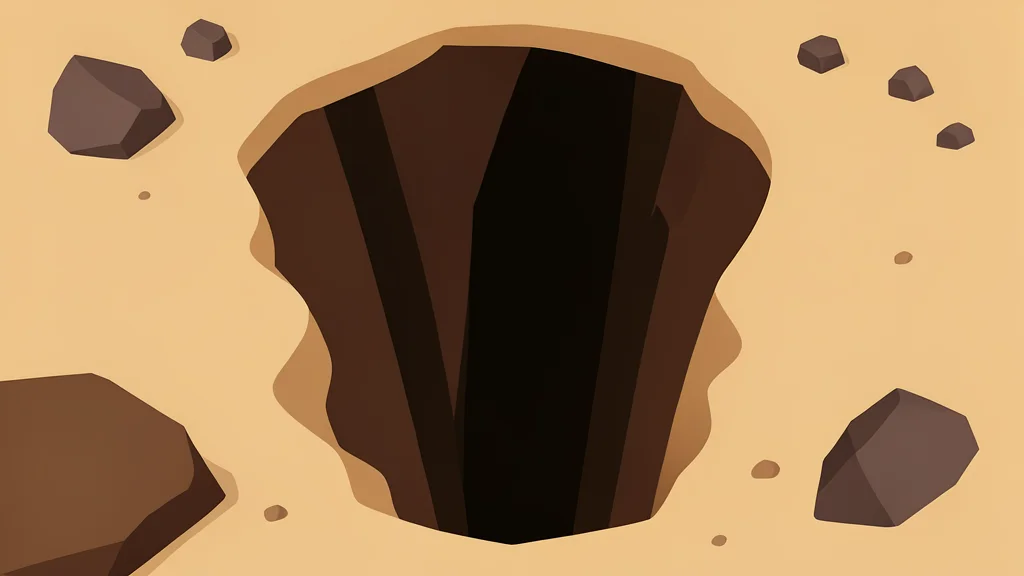
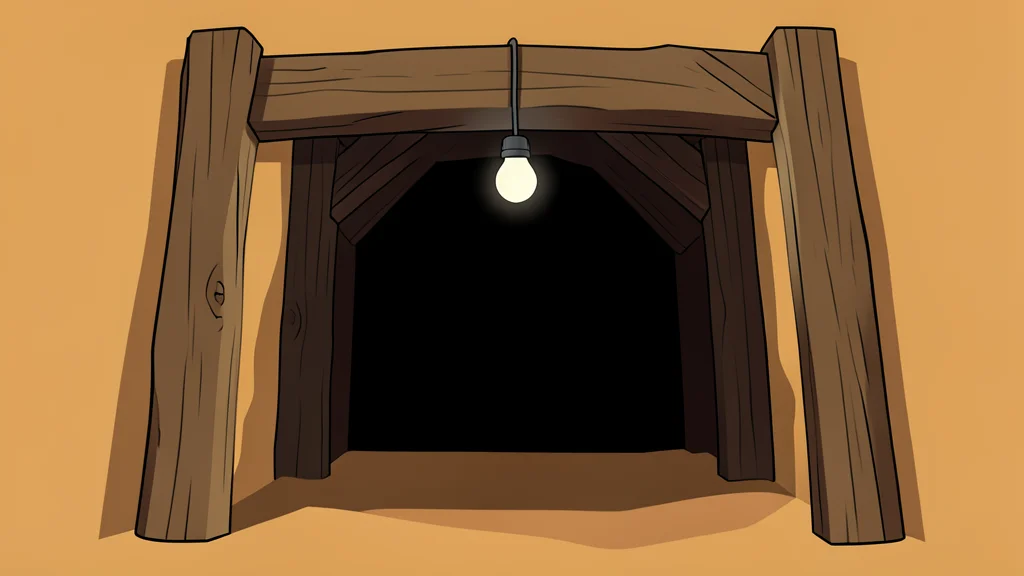
Local administration officials told the Associated Press that 82 bodies had been recovered by Wednesday, while dozens more remained missing under the rubble. The collapse, which began in one shaft and spread to interconnected tunnels, has left rescuers with limited tools. Only one privately owned forklift is available for the search efforts, complicating attempts to reach survivors buried at depths of more than 30 meters. The Sudan Doctors Network warned that the death toll could rise as the search continues in the fragile, sandy soil.
Hazardous Conditions in Informal Mines
The al-Zara site is one of thousands of small-scale, informal mines scattered across Sudan. According to the Sudan Doctors Network, the mine lacked basic safety and protective measures, employing unregulated workers in dangerous conditions. Survivors described the collapse as massive, noting the absence of heavy machinery needed to lift dirt and stones. Khairal-Sayed Gabara, one of the survivors, stated that dozens of people were working in the mine when the ground gave way, underscoring the precarious nature of labor in these unmonitored operations.
Mine collapses are not uncommon in Sudan, where safety standards are rarely applied. A collapse in 2023 killed 14 miners, and another in 2021 claimed 38 lives. The Kordofan Observatory monitoring group reported that at least 70 miners were killed or missing in the latest incident. The site stretches over one kilometer across a wide swath of fragile soil, a geological feature that experts say contributes to the instability of these unregulated extraction sites.
Gold Financing the Conflict
Sudan is a major gold producer, and the extraction of this resource is deeply intertwined with the ongoing conflict. According to experts commissioned by the United Nations, large quantities of gold have been smuggled out of the country to finance the RSF. The paramilitary group controls key gold-producing areas in Darfur and Kordofan regions. This illicit trade provides a critical revenue stream for the forces engaged in the war that began in April 2023, creating a cycle where economic survival for miners is inextricably linked to the broader geopolitical instability.
The war between the RSF and the Sudanese military has resulted in at least 59,000 deaths, according to the Armed Conflict Location & Event Data Project. Aid organizations caution that this figure is likely an undercount, with the true toll potentially being much higher. The conflict has pushed parts of the country into famine and has severely disrupted humanitarian aid, leaving communities like those in West Kordofan with few resources to respond to disasters such as mine collapses.
Challenges in Rescue Operations
Rescue efforts are hampered by a severe lack of equipment and the ongoing security situation. Al-Amin Suliman, another survivor, said that as of Wednesday morning, 60 bodies had been recovered, but people remained trapped inside. The absence of industrial-grade excavation equipment means that rescuers must rely on manual labor and limited machinery, a process that is both slow and dangerous. The remote location of the mine further complicates the logistics of bringing in heavy support and medical teams to assist those who may still be alive.
The situation highlights the broader crisis facing Sudan’s informal sector, where millions depend on mining for their livelihoods despite the extreme risks. Without government oversight or international safety standards, workers are left vulnerable to structural failures and natural disasters. The forward question remains how long the conflict will continue to undermine basic safety infrastructure, leaving communities to bear the brunt of both war and industrial tragedy.