Seoul Postpones U.S. Investment Briefing Amid Nuclear Deal Stalemate
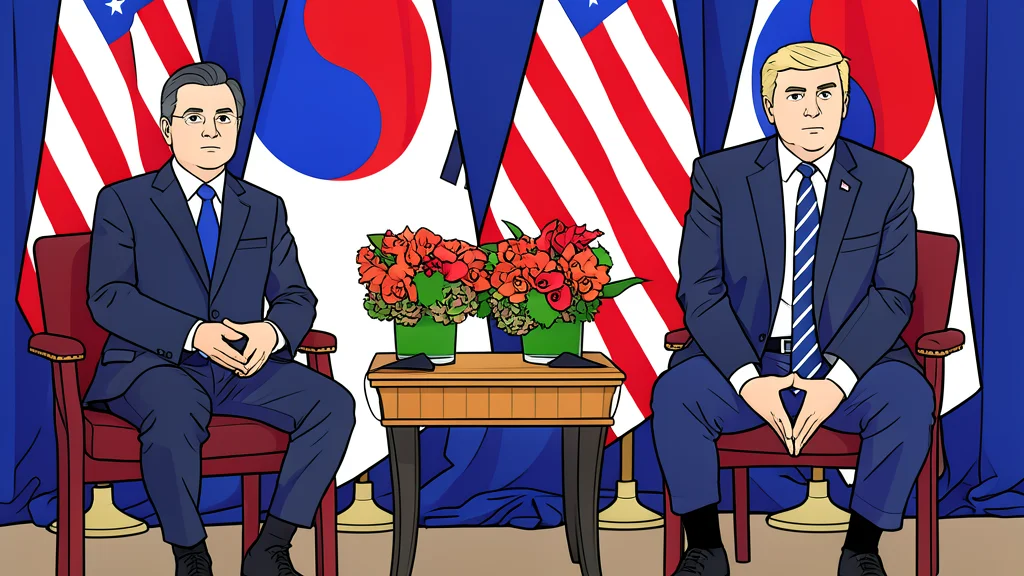
South Korea has requested a delay to a critical parliamentary briefing regarding its $350 billion U.S. investment commitment, leaving key questions about nuclear technology partnerships and corporate governance unresolved.
South Korea has asked to postpone a scheduled parliamentary briefing on its planned investment in the United States, pausing a significant step in the finalization of a $350 billion economic package. According to the country’s Industry Ministry, the request for a delay came without a detailed explanation, though it interrupts a process that lawmakers had viewed as one of the final stages before Seoul and Washington establish the governing terms for the commitment.
The postponement occurs as negotiations over the specific allocation of funds remain complex. Under the trade agreement signed in October, South Korea committed to investing $350 billion in U.S. manufacturing in exchange for capped tariffs. While $150 billion is designated for shipbuilding, the remaining $200 billion is subject to ongoing discussions, with nuclear power emerging as a central, yet contested, component of the proposed structure.
Nuclear Stake And Governance Disputes
Reports from South Korean media, cited by GN geopolitics/nuclear (en-US), indicate that Seoul is considering a minority investment in Westinghouse, the leading U.S. nuclear reactor technology firm. This move is reportedly linked to a broader package that could facilitate the construction of up to eight new reactors in the United States. Six of these would utilize Westinghouse technology, while two would be based on South Korean designs, signaling a shift toward deeper industrial integration.
However, the nature of the investment has become a point of friction. Seoul reportedly seeks more than a passive financial interest, demanding a seat on Westinghouse’s board and a role in corporate decision-making. Washington has been described as cautious regarding these demands, particularly concerning voting rights and direct influence over the company’s strategic direction. This divergence in expectations over governance may be contributing to the lack of a finalized structure, although neither government has explicitly linked the briefing delay to these specific discussions.
Strategic Industrial Ties Deepen
The potential inclusion of nuclear technology in the investment package places it alongside shipbuilding as a pillar of the bilateral economic relationship. For Seoul, participating in the U.S. nuclear industry offers an opportunity to combine Korean engineering capabilities with Westinghouse’s established market position. For Washington, the influx of Korean capital and industrial capacity could support national goals to expand nuclear generation and secure supply chains for strategically critical technologies.
Officials from South Korea’s Industry Ministry have maintained that consultations are ongoing but have stressed that no specific details have been finalized. The situation highlights the delicate balance between financial commitment and industrial control, as both nations navigate the complex landscape of high-stakes technology partnerships.
Watch For Final Negotiations
As the two countries move toward high-level meetings, the resolution of the Westinghouse governance issue will be a key indicator of the package’s final shape. Observers will watch closely for any announcements regarding board representation or voting rights, as these details will define the depth of South Korea’s influence in the American nuclear sector. The outcome of these negotiations will set the precedent for future cross-border investments in strategic industries.