Sudan Mine Collapse Toll Rises to 82 as Rescue Efforts Stall
At least 82 people have died in a gold mine collapse in West Kordofan, with rescuers facing severe equipment shortages.
The death toll from a catastrophic collapse at an informal gold mine in Sudan has reached at least 82, according to local officials and activists. The disaster struck the al-Zara mine in Nuhud, a town in West Kordofan province, which is currently under the control of the paramilitary Rapid Support Forces. Rescuers struggled on Wednesday to search for the missing, but their efforts are being severely hampered by a lack of heavy machinery and limited resources.
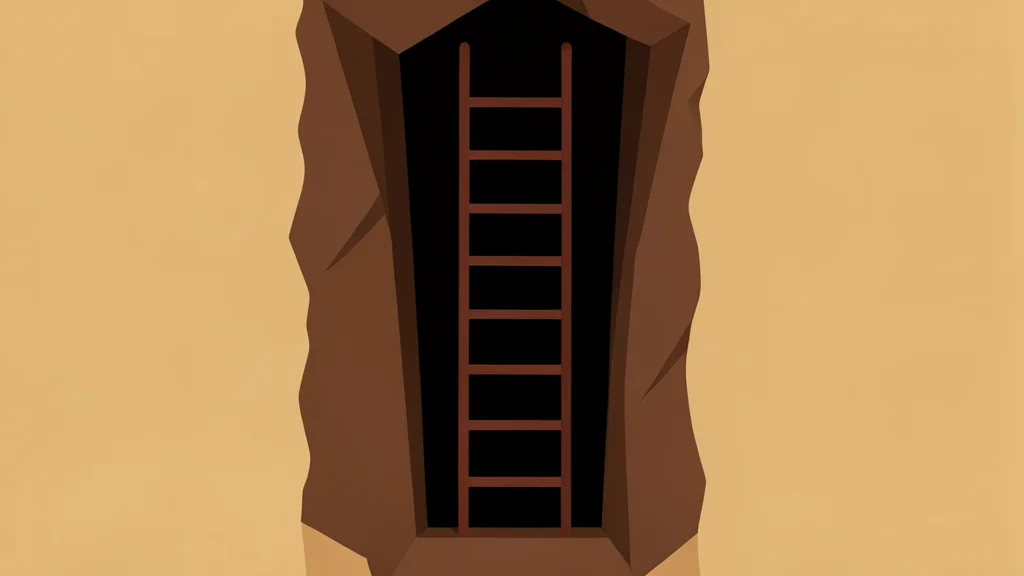
This tragedy is the latest in a series of industrial accidents in a nation mired in a devastating war that has persisted for over three years. Survivors describe the site as a vast network of interconnected shafts in fragile, sandy soil, where dozens of unregulated workers were trapped at depths exceeding 30 meters. The incident highlights the persistent dangers faced by informal laborers in Sudan, where safety standards are rarely enforced and previous collapses have claimed dozens of lives.
Severe constraints on rescue operations
According to a local administration official speaking on condition of anonymity, the collapse began on Sunday and rapidly spread through the mine's structure. The official noted that only one privately owned forklift is available for the rescue efforts, which complicates the removal of the massive amounts of soil and rubble. Khairal-Sayed Gabara, a survivor, stated that the necessary heavy machinery to lift dirt and stones at such depths is unavailable, creating a dire situation for those still missing.
Suleiman Abu Hmeida, a member of the Emergency Response Rooms, a grassroots network monitoring the conflict, confirmed that 82 bodies had been recovered by Wednesday afternoon. However, he warned that dozens remain unaccounted for. The Sudan Doctors Network, a medical group tracking the war, had earlier reported 67 bodies pulled from the rubble and predicted the final count would rise. They emphasized that the mine lacked basic safety and protective measures, employing unregulated workers in hazardous conditions.
Context of conflict and resource control
The al-Zara mine is one of thousands of small-scale sites scattered across Sudan, a country that has been engulfed in war since April 2023. The conflict between the Rapid Support Forces and the Sudanese military has pushed parts of the country into famine and displaced millions. Despite being a major gold producer, the industry remains largely informal and unregulated, leading to frequent and deadly accidents. A collapse in 2023 killed 14 miners, while a previous incident in 2021 claimed 38 lives, illustrating a recurring pattern of industrial negligence.
Experts commissioned by the United Nations have stated that large quantities of gold have been smuggled out of the country to finance the paramilitary RSF. The group controls significant gold-producing areas in the Darfur and Kordofan regions. The Kordofan Observatory, a monitoring group, described the miners at the al-Zara site as informal workers operating across a wide swath of fragile terrain. The ongoing war has complicated aid delivery and oversight, leaving communities vulnerable to both conflict and industrial hazards.
Ongoing uncertainty for missing families
As rescuers continue their difficult work, the situation remains critical. The Armed Conflict Location & Event Data project estimates that at least 59,000 people have been killed in the broader conflict, though aid organizations suggest the true number may be significantly higher. For the families of the missing miners, the lack of progress in the rescue operation brings deep uncertainty. The focus now shifts to whether international attention will lead to improved safety standards or continued neglect in these remote mining areas.