European Parliament Pushes for Unified Hybrid Defense Strategy
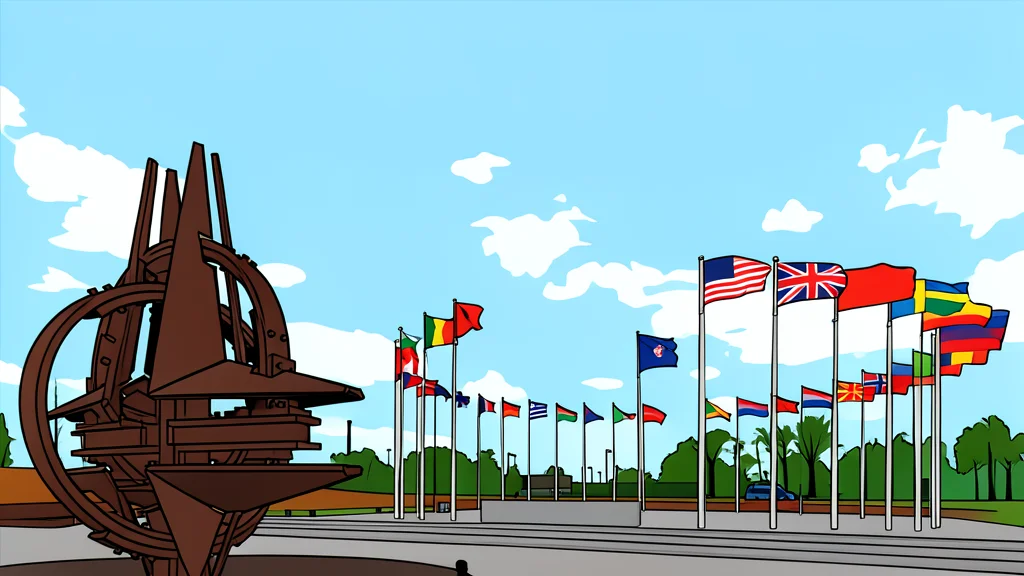
European lawmakers have voted to redefine the EU's approach to state-sponsored destabilization, identifying Russia as the primary source of hybrid threats and urging deeper integration with NATO to counter covert operations that remain below the threshold of open armed conflict.
The European Parliament has approved a comprehensive report that identifies Russia as the most significant state actor conducting hybrid attacks against the EU. The document, passed with a strong majority, characterizes these operations as coordinated efforts designed to destabilize member states through disinformation, cyber intrusions, and pressure on critical infrastructure. By keeping such actions below the level of open warfare, the report argues, adversaries effectively obscure responsibility and complicate the ability of European institutions to mount a proportional response.
According to the analysis provided by GN geopolitics/nato, the report explicitly names Belarus as a proxy for these activities while also citing China, Iran, and North Korea as participants in campaigns aimed at undermining European democratic stability. The central argument of the text is that the current fragmented approach to intelligence and defense leaves the EU vulnerable to these subtle, multi-vector pressures. Consequently, lawmakers are calling for a more unified strategic framework that bridges the gap between national security apparatuses and EU-level coordination.
Strengthening Intelligence Coordination Across Borders
A key recommendation in the approved text is the elevation of the EU’s Single Intelligence Analysis Capacity, or SIAC. The report urges that this body should serve as the central hub for intelligence assessments across EU institutions, facilitating better sharing of cross-border data. This is intended to help identify patterns in coordinated hybrid campaigns that individual member states might struggle to detect in isolation. By formalizing this role, the Parliament aims to enhance joint situational awareness and improve the attribution of responsibility for specific incidents.
The vote, which saw 470 members in favor against 129 opposing, reflects a growing consensus that the EU must act with greater cohesion. However, the report carefully notes that any expansion of the EU’s role must respect the primary responsibilities of member states and the protection of national classified information. This balance seeks to empower Brussels in strategic coordination without overstepping into areas traditionally reserved for sovereign national security decisions.
NATO Cooperation as a Strategic Imperative
The report places significant weight on closer cooperation with NATO, viewing the alliance as a crucial partner in countering the hybrid threats identified. Rapporteur Rasa Juknevičienė, a Lithuanian member from the European People’s Party, emphasized that Europe has long feared that a robust response might provoke Moscow. She argued that this hesitation has allowed adversaries to exploit gaps in European defense postures. The call for tighter NATO-EU links signals a shift toward a more assertive collective security strategy.
Forward-Looking Challenges for European Security
The next steps involve the implementation of a new cross-cutting EU action plan against hybrid warfare. This plan is expected to outline concrete measures for enhancing resilience in digital and physical infrastructure. Observers will watch how member states respond to the call for deeper intelligence sharing, particularly regarding the operationalization of SIAC. The effectiveness of this new framework will likely be tested by the pace of future covert operations and the willingness of national governments to share sensitive data within the proposed EU-wide structure.