Human Rights Group Presses Congress to Halt Major Arms Sale to Israel
A prominent advocacy organization has urged legislators to block a proposed $2.8 billion transfer of heavy munitions, citing potential violations of international law and domestic statutes regarding human rights.
Democracy for the Arab World Now (DAWN) submitted a formal letter to members of the United States Congress on Friday, urging them to exercise their authority under the Arms Export Control Act to disapprove a proposed weapons sale to Israel. The package, valued at approximately $2.8 billion, includes 40,000 general-purpose bombs, with the organization warning that such a transfer could expose lawmakers to liability for complicity in war crimes. According to DAWN, the proposed sale represents a significant escalation in military support that conflicts with existing legal frameworks governing US foreign assistance.
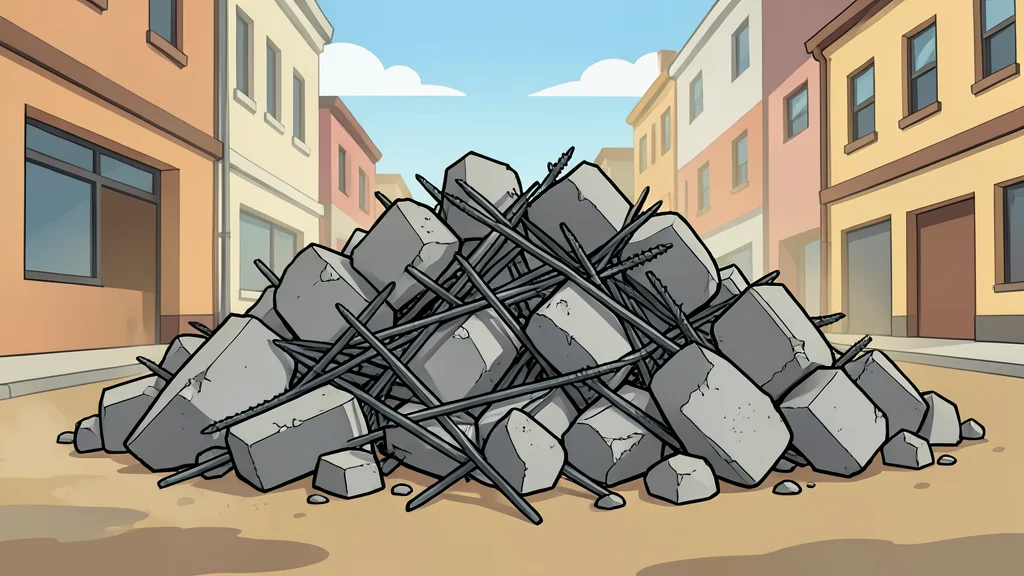
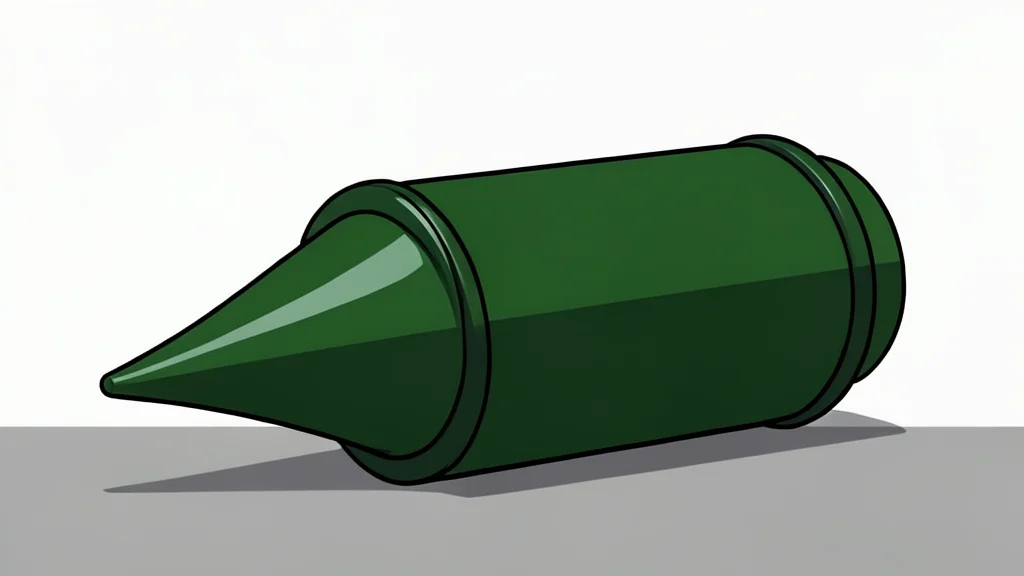
The dispute centers on the specific types of munitions included in the deal, which reportedly consist of MK-84 general-purpose bombs and BLU-117 penetrator warheads. These weapons are among the largest in the US conventional arsenal, capable of penetrating thick concrete and creating extensive craters. DAWN highlighted that while US forces rarely deploy such large ordnance in populated areas, the Israel Defense Forces have utilized them extensively in Gaza and Lebanon. The organization noted that the previous administration had paused similar shipments due to concerns over mass civilian casualties, a decision that was reversed shortly after the current administration took office.
Legal Challenges and Statutory Constraints
DAWN argues that approving the sale would violate multiple provisions of US law, including the Foreign Assistance Act and the Leahy Laws. These statutes prohibit assistance to foreign military units credibly implicated in gross human rights abuses and restrict the transfer of weapons to governments engaged in consistent patterns of such violations. The organization further contended that knowingly providing weapons that are subsequently used to commit war crimes may be illegal under the Rome Statute, which governs the International Criminal Court. Although the US is not a party to the ICC, DAWN suggests that the legal precedents and international norms embedded in the statute carry significant weight in determining the compliance of such transfers.
The letter to Congress emphasizes the financial structure of the sale, noting that the acquisition would be largely funded through Foreign Military Financing. This mechanism means that US taxpayers would effectively bear the cost of the munitions purchased by Israel. DAWN executive director Omar Shakir stated that the proposal is not a standard defense package but rather a down payment on future atrocities. He urged legislators to recognize that the evidence regarding the use of these weapons in populated areas makes the sale a matter of legal and moral accountability.
Context of Civilian Casualties
The advocacy group cited data indicating that Israel's military operations in Gaza have resulted in significant loss of civilian life, with more than 73,000 Palestinians killed, including over 21,000 children. DAWN pointed out that even after a ceasefire was established in late 2025, the loss of life continued, with the United Nations Children's Fund reporting that at least 300 children had been killed since that time. The organization linked these casualties to the use of large-caliber bombs and the implementation of loosened rules of engagement by the Israel Defense Forces following the October 2023 attack.
According to DAWN, the combination of rapid target selection using artificial intelligence technology and the deployment of heavy munitions has exacerbated the humanitarian crisis. The group argues that the current trajectory of military action, supported by such substantial arms transfers, undermines efforts to protect civilians. They maintain that the legal and evidentiary record is now clear enough for Congress to make an informed decision that aligns with US values and international humanitarian law.
Forward Watch on Congressional Action
The next critical step in this process involves the formal notification of the sale to Congress by the executive branch. Once this notification is issued, members of the House and Senate will have a specific window to introduce and vote on joint resolutions of disapproval. The outcome of these potential votes will determine whether the $2.8 billion package proceeds or is blocked. According to reporting by GN geopolitics/rights (en-US), the debate is expected to intensify as lawmakers weigh the strategic interests of the US-Israel relationship against the legal obligations and humanitarian concerns raised by the proposed transfer.