Uganda Halts Military Ties with Türkiye Amid Diplomatic Fracture
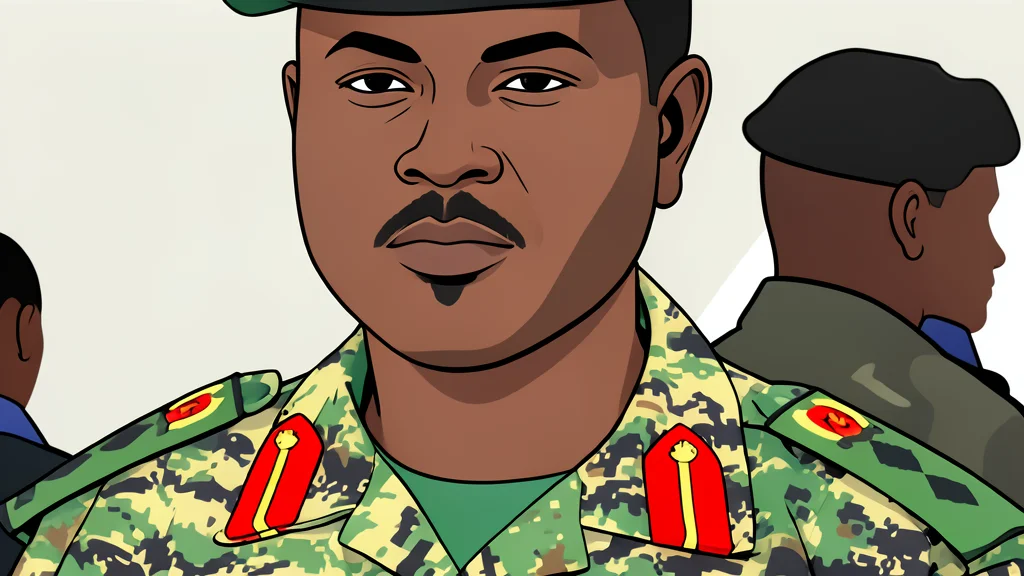
Kampala has suspended all defence cooperation with Ankara, a move that complicates the security landscape in Somalia where both nations maintain significant military footprints.
Kampala — The Uganda People’s Defence Forces announced the immediate suspension of all military and defence cooperation with Türkiye on September 19, 2026. According to a statement issued by Colonel Chris Magezi, the Acting Director of Defence Public Information, the halt will remain in effect until outstanding issues between the two nations are resolved. The announcement marks a sharp escalation in diplomatic relations, occurring just one day after protests outside the Turkish embassy in Kampala.
The decision follows a series of contentious interactions involving General Muhoozi Kainerugaba, Uganda’s Chief of Defence Forces. General Muhoozi has publicly demanded compensation from Ankara and called for the extradition of a Ugandan critic living in Türkiye. While the specific terms of the suspended cooperation have not been detailed, the timing suggests a direct link to these recent diplomatic pressures and broader disagreements over regional security roles.
Diplomatic Tensions and Domestic Pressures
The rupture is deeply intertwined with domestic political dynamics in Uganda. General Muhoozi, widely viewed as a potential successor to President Yoweri Museveni, has frequently used social media to project a hardline stance in foreign policy. In April 2026, he publicly demanded one billion dollars in compensation from Türkiye for Uganda’s military contributions in Somalia, adding provocative personal conditions to the request. These actions have strained relations with Ankara and previously caused diplomatic friction with neighboring Kenya.
On September 18, supporters of the Patriotic League of Uganda, a group chaired by General Muhoozi, demonstrated outside the Turkish embassy in Kampala. They demanded the handover of Fred Lumbuye, a Ugandan government critic who has resided in Türkiye for years and faces multiple criminal charges including incitement to violence. The suspension of military ties appears to be a formal institutional response to these escalating demands, although the Ministry of Defence has not specified which particular cooperation programs are currently frozen.
Implications for Somali Security Architecture
The suspension carries direct consequences for Somalia, where both Uganda and Türkiye hold significant strategic positions. Uganda is the largest troop contributor to the African Union Support and Stabilization Mission in Somalia, with approximately 5,000 to 6,000 personnel deployed. As the first country to send troops to Somalia in 2007, Uganda has been a cornerstone of international peacekeeping efforts, providing a substantial portion of the combat power required to counter Al-Shabaab.
Türkiye, meanwhile, maintains its largest overseas military base at Camp TURKSOM in Somalia. This facility is central to the training of Somali elite units, including the Gorgor commandos, and Ankara has recently supplied Bayraktar Akıncı drones to Mogadishu. The two nations’ forces often operate in proximity within the same security architecture. General Muhoozi has previously criticized Türkiye’s role, arguing that Ankara only became active after Uganda had already borne the burden of combat operations for years.
Logistical Challenges in Joint Operations
According to reports from GN auto geopolitics/africa: Somalia security, the suspension raises practical questions for ongoing operations in the region. Ugandan forces in Somalia have historically relied on international partners for logistics, funding, and equipment support. Türkiye has been a significant contributor to Somali security sector reform, training units that frequently coordinate with Ugandan troops in joint operations against insurgent groups.
The halt in cooperation may disrupt established supply chains and collaborative frameworks that have become essential to the stability of the region. With Uganda providing the bulk of the ground forces and Türkiye offering advanced training and aerial assets, any friction between the two capitals could weaken the integrated approach to counter-terrorism. Observers are now watching to see if the suspension will lead to a realignment of security partnerships or if diplomatic channels can restore the status quo before operational capabilities are compromised.