US Extends UN Support Timeline for Somali Peacekeepers

Washington has agreed to a 12-month drawdown period for UN support to African Union forces in Somalia, offering temporary relief but leaving the mission’s long-term viability uncertain.
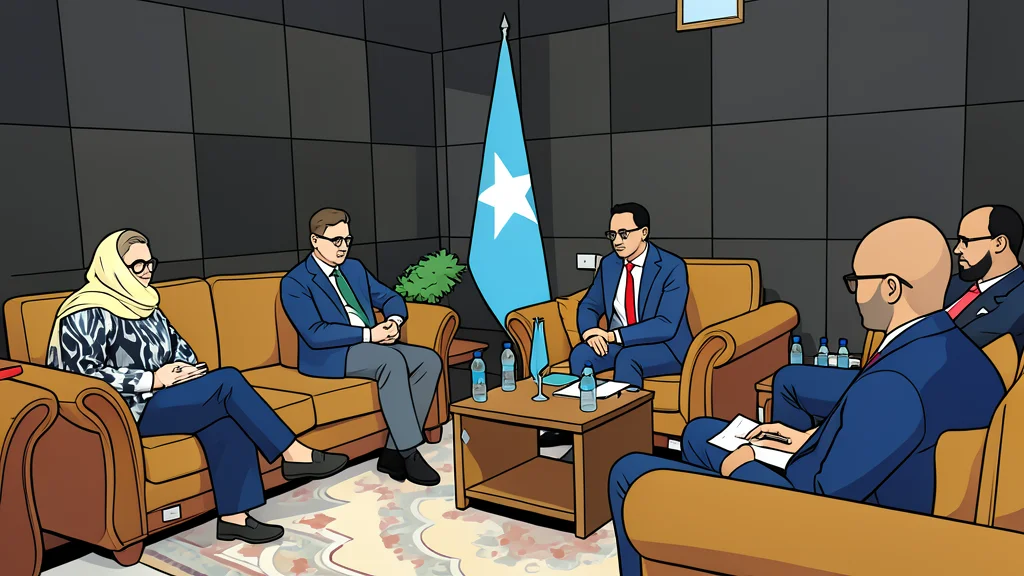
The United States has agreed to allow the United Nations an additional year to wind down its logistical support for African Union peacekeepers in Somalia, according to a diplomatic document reviewed by Reuters. This decision provides the mission, known as Aussom, with a critical 12-month buffer before funding stops, rather than an immediate cessation that was previously threatened. While this move offers some breathing space for the force, it does not resolve the underlying financial crisis facing the deployment.
The new timeline was confirmed by multiple diplomatic sources and a representative from the Somali government, who stated that the 12-month countdown is expected to begin in January. A spokesperson for the US State Department noted that Washington will no longer fund the UN office in Somalia, which manages a budget of approximately $500 million. However, the official emphasized that specific timelines for the reduction of support would be discussed during UN Security Council deliberations in December, maintaining a degree of diplomatic flexibility while signaling a clear intent to withdraw.
Diplomatic Shift in Support Mandate
In July, the administration of US President Donald Trump informed the African Union that it intended to block continued UN support for the peacekeeping force. This stance reflected growing frustration with the fragile administration in Mogadishu and a broader withdrawal from international commitments. The US had previously blocked a proposal that would have shifted the financing model so that UN funds covered three-quarters of the mission's $190 million annual budget. According to the GN auto geopolitics/africa: Somalia security reporting, this shift represents a significant recalibration of Washington's approach to regional stability in the Horn of Africa.
The AU mission relies heavily on UN infrastructure for essential services, including food, water, fuel, medical care, and troop transportation. Without this logistical backbone, the operational capacity of Aussom could be severely compromised. The US decision to allow a phased drawdown rather than an abrupt cutoff appears to be a pragmatic compromise, acknowledging the immediate risks of a sudden collapse while still adhering to its policy of reducing financial exposure.
Security Implications for Regional Stability
Analysts warn that any significant weakening of the AU peacekeepers could undermine the Somali government and exacerbate political turmoil in a region that borders the Red Sea. Afyare Elmi, a professor at the City University of Mogadishu, described Aussom as a key pillar of the state, cautioning that its absence could lead to state fragmentation and disintegration. The region has experienced decades of instability since the fall of autocratic ruler Mohamed Siad Barre in 1991, with Islamist groups continuing to exert control over vast areas of the countryside.
Samira Gaid, a regional security analyst, noted that the shutdown of UN support could effectively end the mission if alternative logistics arrangements are not found. The AU faces a difficult choice between securing new funding sources or drawing down its forces. The precarious state of financing has left the mission vulnerable, with the potential for a power vacuum that could be exploited by militant groups linked to al Qaeda. The stability of Somalia remains a critical concern for broader regional security dynamics.
Uncertain Future for Peacekeeping Mission
The extension of the UN support office's mandate provides a window for Somalia and its international partners to seek alternative backers, but the threat to the peacekeeping force's future remains substantial. The next few months will be crucial as diplomats work to navigate the complex negotiations surrounding the mission's sustainability. The outcome of these discussions will likely determine whether Aussom can maintain its operational capabilities or if it will be forced to exit the country.
Observers are closely watching the UN Security Council deliberations scheduled for December, where the specific terms of the drawdown are expected to be finalized. The responses from the Somali defence ministry, the UN support office, and the AU Commission remain pending, but the general consensus among analysts is that the mission's survival hinges on finding new logistical and financial arrangements before the 12-month period expires. The situation underscores the fragile nature of peacekeeping efforts in the region and the challenges of sustaining them without robust international support.