Nigeria Bishops Urge Prayer Ahead of 2027 Elections
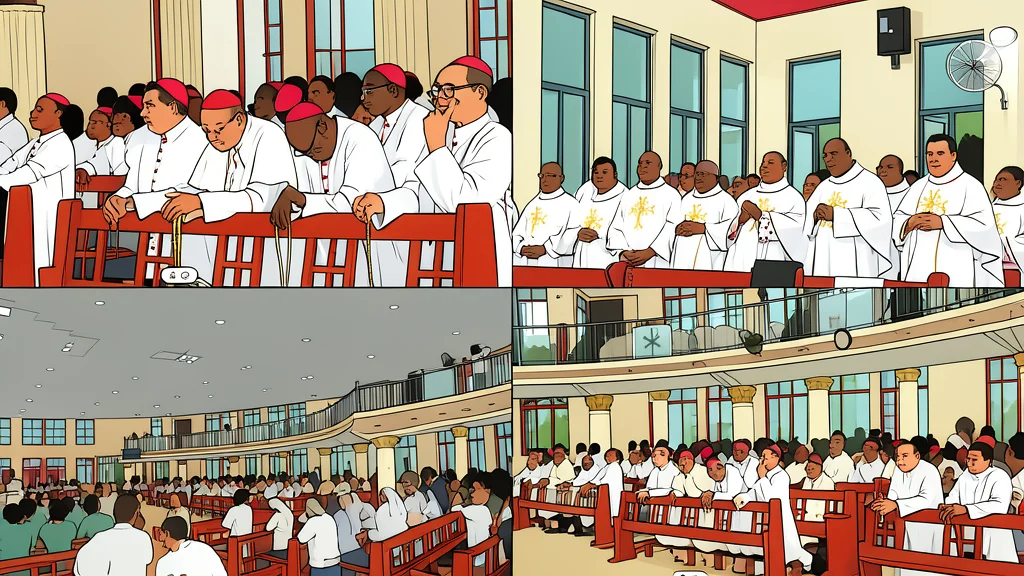
Nigeria’s Catholic bishops have declared a national day of prayer and fasting to seek stability for the upcoming 2027 general elections, while simultaneously raising concerns about proposed legislation affecting religious and humanitarian organizations.
The Conference of Catholic Bishops in Nigeria has designated December 8 as a National Day of Prayer and Fasting. According to the bishops, this spiritual observance is intended to foster peace and integrity ahead of the 2027 general elections, a period viewed as critical for the country's democratic stability. The decision reflects a broader effort by religious leaders to engage with the political process through non-partisan, moral appeals rather than direct political intervention.
In a statement released via ACI Africa, the bishops emphasized the importance of national unity and the peaceful coexistence of Nigeria’s diverse ethnic and religious communities. They framed their call for prayer as a foundational step toward creating an environment conducive to free and fair polls, suggesting that spiritual discipline can complement civic responsibility in maintaining social order during sensitive political periods.
Concerns Over Proposed Assembly Bill
Beyond the call for prayer, the bishops voiced significant concerns regarding a bill currently before the National Assembly. They argued that provisions requiring the registration of foreign aid resources and granting authorities broad powers to supervise their use could hinder humanitarian efforts. The bishops contended that such measures might create excessive bureaucracy and duplicate existing regulatory frameworks, potentially limiting the ability of organizations to assist vulnerable populations in conflict-affected areas.
The statement specifically highlighted the risk of government officials exercising broad discretionary powers, including the ability to deny or refuse the renewal of registrations for organizations deemed not in the "national interest." The bishops noted that non-profit organizations, churches, and mosques are already subject to strict regulation under the Companies and Allied Matters Act. They urged the legislature and the federal government to reconsider the bill, citing potential implications for freedom of association, religion, and conscience.
Advocacy for Education and Cultural Heritage
The bishops also addressed the state of education in Nigeria, describing access to quality learning as essential for human development and social integration. They called on the government to fulfill its constitutional responsibility to fund education, emphasizing that children in public, private, and mission schools should have access to free primary and secondary education. This advocacy underscores the church's commitment to collaborating with state authorities to improve educational infrastructure and outcomes.
Furthermore, the statement called for a "healthy inculturation" that respects positive elements of African cultural heritage while maintaining foundational Christian teachings. The bishops advocated for policies that promote the holistic development of the human person, suggesting that national progress depends on balancing modernization with the preservation of cultural identity. This perspective positions the church as a mediator between traditional values and contemporary societal needs.
Political Implications and Future Watch
The bishops' dual focus on spiritual preparation and legislative advocacy signals a strategic engagement with the political landscape. By linking moral exhortations with specific policy concerns, the church is positioning itself as a voice for civic rights and institutional integrity. The upcoming deliberations on the assembly bill will be a key indicator of how the government responds to calls for regulatory reform and the protection of civil society spaces.
As Nigeria approaches the 2027 election cycle, the actions of religious institutions are likely to influence public discourse and voter mobilization. Observers will watch closely how the government addresses the bishops' concerns regarding the regulation of humanitarian organizations and the funding of education. The outcome of these interactions may shape the broader relationship between the state and religious bodies in the lead-up to the polls.