Climate Displacement Meets US Criminal Enforcement
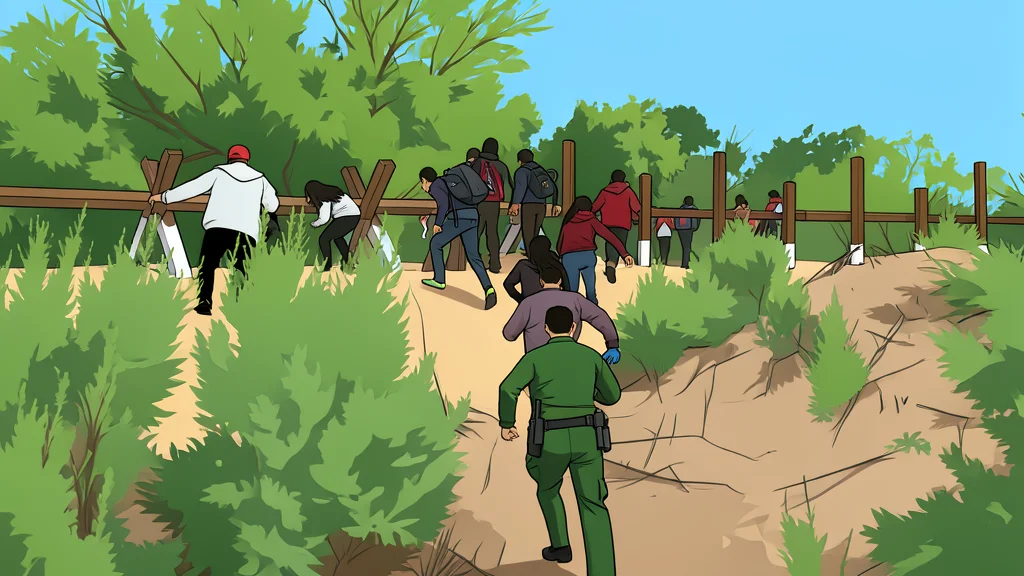
As environmental collapse drives more cross-border migration, US legal frameworks increasingly treat climate-driven movement as a criminal issue rather than a humanitarian one, leaving displaced persons with few protections.
The intersection of climate change and US immigration policy is creating a growing gap between humanitarian need and legal reality. As natural disasters intensify, forcing people to flee their homes, the US federal government is increasingly framing migration through a criminal lens. This approach, often referred to as crimmigration, applies criminal law to policing immigration, a concept that has gained significant traction in recent years. According to GN geopolitics/migration (en-US), this shift means that individuals fleeing environmental collapse are often met with detention and deportation rather than refuge.
This legal landscape is particularly harsh for those who do not fit traditional refugee categories. While climate change disproportionately affects vulnerable populations, including women and children in regions like the Bay of Bengal, US law does not recognize environmental displacement as a valid ground for asylum. Consequently, these individuals are funneled into a punitive system that lacks formal protections for climate-driven migration, leaving them vulnerable to surveillance and enforcement actions.
Shrinking Pathways for Protection
One of the few available avenues for climate-displaced migrants is Temporary Protected Status, or TPS. Established in 1990, TPS allows individuals displaced by environmental disasters to live and work in the United States temporarily. However, the program is highly susceptible to political changes. As of late 2026, the number of countries with TPS designation has dropped significantly, from seventeen in early 2025 to only five. This reduction reflects a broader trend of tightening immigration policies, with the potential for further cuts under the current administration.
TPS offers no path to permanent residency or citizenship and requires renewal every eighteen months. When a country’s designation expires, individuals lose their status and may become undocumented, making them highly vulnerable to deportation. Because TPS is administered by the Department of Homeland Security, its availability is closely tied to the priorities of the sitting president, leading to instability for those relying on it for safety.
Legal Gaps in Asylum Claims
The second potential pathway is asylum, which grants legal permission to reside and work in the US. However, claiming asylum requires demonstrating a well-founded fear of persecution based on race, religion, nationality, political opinion, or membership in a particular social group. Climate change, while a major driver of displacement, does not fit neatly into these categories. This legal limitation means that many climate migrants cannot access asylum, even if their home countries are uninhabitable due to environmental degradation.
The lack of a specific legal framework for climate refugees creates a significant protection gap. While international law does not explicitly recognize climate migrants as refugees, some advocate for expanding definitions to include environmental factors. Until such changes are made, individuals fleeing climate disasters remain in a legal limbo, subject to the same enforcement mechanisms as other undocumented migrants.
Future Implications for Displaced Populations
As climate change accelerates, the number of people displaced by environmental factors is expected to rise. This trend will likely put additional pressure on existing immigration systems, which are already strained. The convergence of criminal and immigration law in the US may lead to further criminalization of climate migration, with increased surveillance and enforcement actions against those seeking refuge.
Looking ahead, policymakers and advocates will need to address the legal gaps that leave climate migrants unprotected. This may involve redefining refugee status to include climate factors, expanding TPS programs, or creating new legal pathways for environmental migrants. The coming years will be critical in determining how the US and other nations respond to the growing tide of climate displacement, and whether they will choose protection over punishment.