Colombia Exits Global LGBTI Rights Coalition
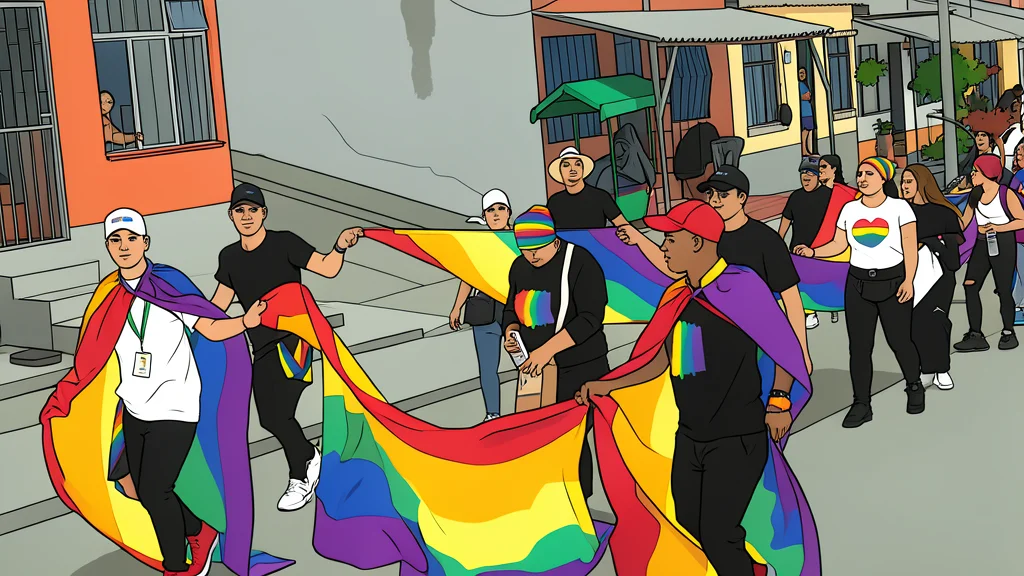
Bogotá formally withdrew from the Equal Rights Coalition, a move analysts describe as a significant diplomatic shift despite claims of no legal impact.
Key points
- Colombia withdrew from the Equal Rights Coalition in September, ending its role in the largest intergovernmental LGBTIQ+ alliance.
- Officials stated the alliance is no longer a priority, a move critics argue depoliticizes a significant diplomatic shift.
- The exit does not change existing constitutional or judicial protections for same-sex marriage and adoption in Colombia.
Colombia has officially withdrawn from the Equal Rights Coalition, ending its participation in the largest intergovernmental alliance dedicated to LGBTIQ+ rights. The country’s foreign ministry confirmed the decision in a diplomatic letter addressed to the coalition’s executive committee and its co-chair, Spain, marking a notable shift in the nation’s international human rights posture.
While the official correspondence thanked Spain and civil society partners for their collaboration, it did not provide a specific justification for the exit. According to reports from Latin America Reports, Vice-Minister Pedro Roa indicated in a virtual meeting that the alliance is no longer a priority for the current administration, describing membership as a legacy of the previous government under President Gustavo Petro.
Diplomatic framing of the withdrawal
The government has characterized the move as a matter of balancing priorities rather than a rejection of rights. However, academic observers argue that this framing depoliticizes a decision that is inherently political. Daniel Bonilla, an academic director at Fundación Universitaria CEIPA, noted that Colombia actively withdrew from a role it had voluntarily assumed mid-term, using the language of deprioritization to avoid a direct explanation.
Bonilla emphasized that most of the administration’s signals regarding LGBTQ rights have come through appointments rather than direct executive acts. This makes the withdrawal notable as one of the few decisions taken directly by the executive, abandoning a significant space of diplomacy without intermediary steps.
Legal stability versus symbolic retreat
The Equal Rights Coalition is a voluntary group rather than a treaty passed by Congress or tested by the Constitutional Court. Consequently, the withdrawal does not alter existing court rulings related to same-sex marriage, adoption, or protection from discrimination. Vice-Minister Roa asserted that this move does not signify a setback for the LGBTIQ+ population, pointing to Colombia’s robust constitutional framework and judicial protections.
Despite the lack of immediate legal change, analysts suggest the symbolic weight of the decision should not be underestimated. Bonilla argued that the significance lies in what the move normalizes for the future, noting that the practical consequences will depend on subsequent actions rather than the withdrawal itself.
Civil society reactions to the exit
Caribe Afirmativo, the Colombian organization that represented civil society in the coalition’s leadership, stated that it was not consulted prior to the announcement. Wilson Castaneda, the organization’s director, described the decision as the clearest action the government has taken against LGBTI rights, warning that it leaves Colombia poorly positioned in the international community.