Democratic Volunteers Prepare for Election Security Challenges
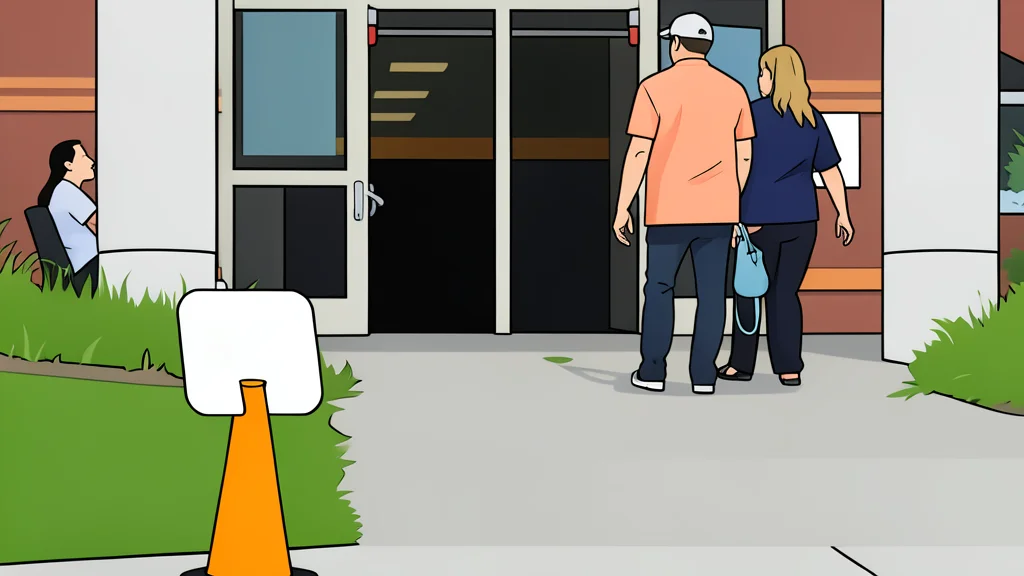
As midterms approach, a coordinated national effort is mobilizing thousands of observers to monitor polling places, responding to heightened tensions over federal presence at the ballot box.
With the midterm elections less than two months away, Democratic officials are expanding their on-the-ground presence at polling stations across the United States. According to Jane Kleeb, president of the Association of State Democratic Committees, the initiative aims to train at least 10,000 volunteers to handle potential disruptions. This effort, branded as the New Battlefield Project, represents a significant scaling up of routine election protection programs, reflecting a shift in how party leadership is preparing for the upcoming November vote.
The mobilization is driven by concerns regarding the potential deployment of federal agents near voting locations. Kleeb noted that state parties began coordinating this response approximately six months ago after hearing speculation from voters and officials about the possibility of military or immigration enforcement personnel being sent to the polls. The volunteers, known as Democracy Protectors, are being trained in de-escalation techniques and documentation procedures to ensure that any incidents are recorded and reported to state and national party authorities.
Federal Presence Raises Tensions
The political atmosphere has been charged by recent statements from administration officials. The Department of Justice announced that its Civil Rights Division would monitor primary elections in Florida and Wyoming to ensure compliance with federal law. Additionally, FBI Director Kash Patel indicated openness to the idea of dispatching federal agents to voting sites. These developments have intensified fears among Democratic organizers that the presence of uniformed officers could contribute to voter intimidation, even if the stated goals are security-related.
President Donald Trump has also weighed in on the matter, stating he would do anything necessary to ensure honest elections. While the administration has deployed National Guard troops to several major cities for crime reduction purposes, federal law strictly prohibits the use of military personnel at election sites. In a letter to Senator Elissa Slotkin, the chairman of the Joint Chiefs of Staff explicitly stated that there are no plans to send federal military personnel or National Guard members to polling places during the 2026 elections.
Scope of the Volunteer Effort
The New Battlefield Project extends beyond simple observation. According to party leadership, the initiative includes teams dedicated to encouraging voter registration and early voting, as well as countering misinformation online. The training protocols are modeled after observer programs previously used in Minnesota during immigration enforcement actions. Volunteers will be easily identifiable by their blue attire, serving as a neutral presence to assist voters in finding their correct polling locations and to monitor the conduct of any other parties present.
While the Department of Justice frames its monitoring as a measure for ballot security and transparency, Democratic officials describe the situation as a defensive posture. They argue that the sheer scale of this year’s volunteer training is a direct response to the rhetoric surrounding federal intervention. The distinction between routine election security and perceived political interference remains a central point of contention as the campaign season intensifies.
Legal Boundaries and Future Watch Points
Despite the heightened rhetoric, legal constraints remain firmly in place. Federal statutes prohibit the stationing of armed military forces at polling places, a rule that has been reaffirmed by senior military leadership. As the election date approaches, the focus will likely shift to whether these legal boundaries hold under pressure. Observers will be watching for any actual deployments of federal agents to specific precincts, which would test the limits of current election protection protocols.
The next few weeks will be critical in determining how these preparations play out. Attention will turn to the coordination between state election boards, the Department of Justice, and local volunteer networks. The outcome will depend on whether the presence of federal monitors is perceived as a safeguard for integrity or as a tool for influence, a question that the thousands of trained observers are now positioned to answer with firsthand documentation.