Jamaica Faces Protests over US Migrant Transit Deal
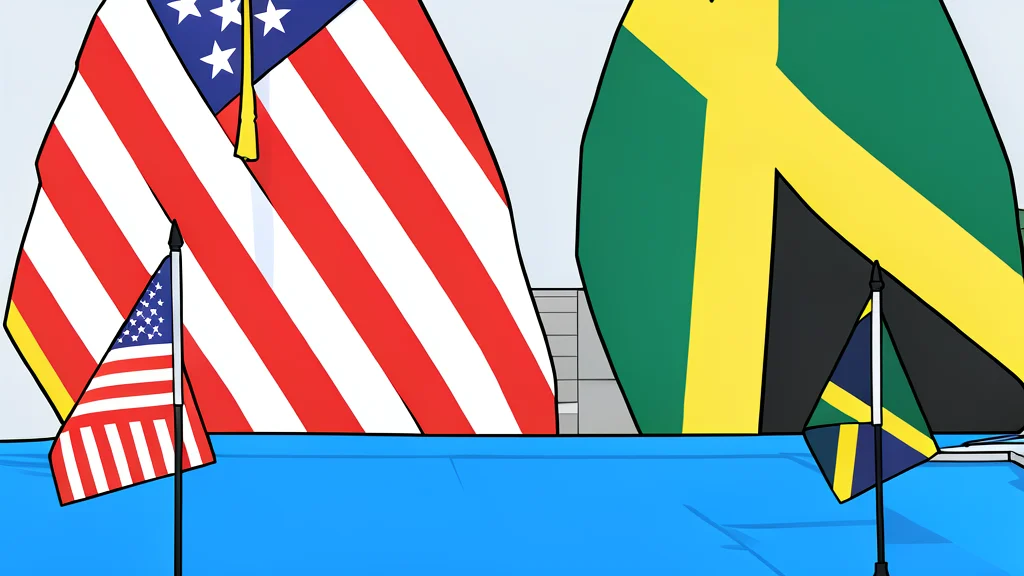
Opposition parties in Jamaica demand the full text of a June agreement with the US, citing security and cost concerns despite government assurances.
Key points
- Jamaica signed a June deal with the US to accept non-Jamaican migrants en route to their home countries.
- The opposition PNP demands public disclosure of the agreement, citing concerns over security and costs.
- Jamaican officials state the US will cover costs and that the IOM will assist the migrants.
Jamaica is experiencing growing domestic friction over a June agreement with the United States that permits the transfer of non-Jamaican migrants to the island. The arrangement, signed on June 10, allows the Trump administration to send individuals to Jamaica while they await repatriation to their home countries. This move places Jamaica among nearly thirty other nations participating in the American expulsion program.
While Jamaican officials emphasize that the United States will cover all associated costs and that migrants with criminal records are excluded, significant opposition has emerged. The center-left People’s National Party, along with various civic groups and diaspora communities, has launched a campaign demanding full transparency. Critics argue that the current rules are insufficient and that the public has a right to review the specific terms of the deal.
Demands for transparency and security
According to The Haitian Times, the opposition’s primary concern is the lack of access to the original agreement documents. Fitz Jackson, the national security spokesman for the People’s National Party, stated that citizens are being asked to trust a secret document that impacts their communities and public services. He emphasized that the agreement requires parliamentary approval and that the public should understand the obligations their country has undertaken.
Religious leaders have also voiced skepticism about the government’s assurances. Bishop Alvin Bailey, who leads an alliance of evangelical churches, expressed a lack of trust in the official narrative. The criticism highlights fears regarding potential strains on national security, the impact on local resources, and the protection of human rights for the migrants in transit.
Government assurance and IOM role
Jamaican ministries of national security and foreign affairs have maintained that the new regulations strictly prohibit the arrival of individuals with criminal histories. They further assert that the International Organization for Migration will be responsible for meeting the needs of the migrants during their stay. This international body is expected to manage the logistical and humanitarian aspects of the transit process.
Foreign Affairs Minister Kamina Johnson Smith explained that the United States has opposed making the details of the agreement public. She noted that Washington has not generally released similar agreements and has not agreed to share this specific document. The State Department declined to comment on communications with other governments regarding the matter.
Parliamentary review and next steps
The situation now hinges on the legislative process in Kingston. As the opposition continues to pressure for disclosure, the ruling Jamaica Labour Party must navigate the political fallout while maintaining the diplomatic relationship with Washington. The coming weeks will determine whether the agreement proceeds with current transparency levels or if further concessions are made to quell public anger.