Trump and Venezuelan Leader to Meet at UN General Assembly
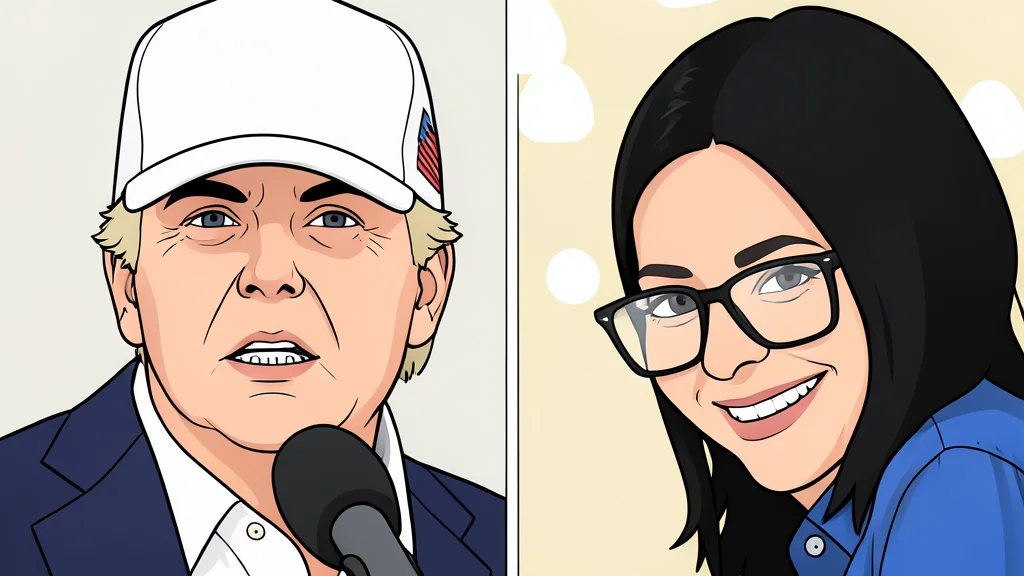
The upcoming meeting marks the first direct encounter between a US president and a Venezuelan head of state in over a decade, signaling a significant shift in bilateral relations following recent political changes in Caracas.
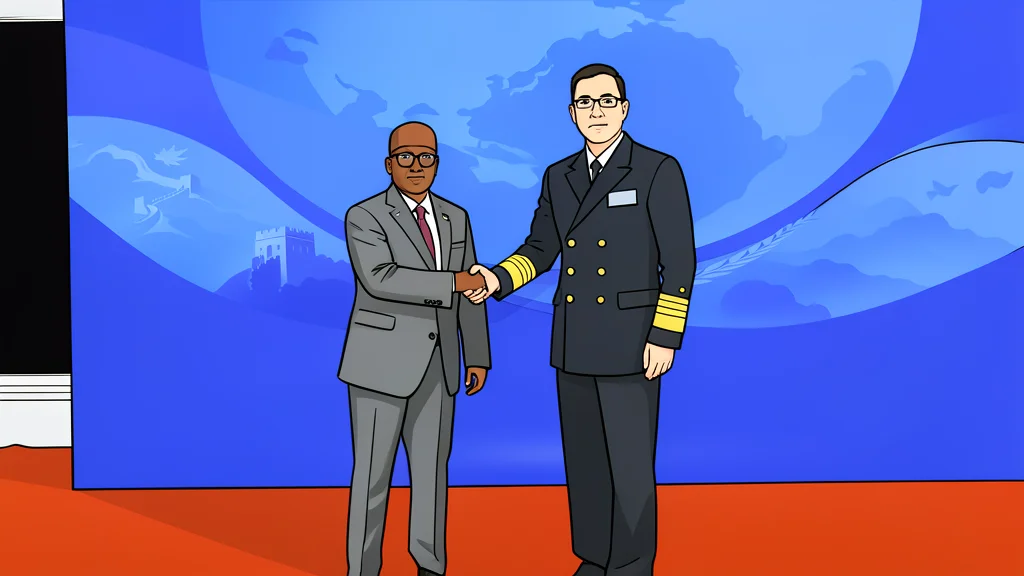
US President Donald Trump is scheduled to meet with Venezuela's acting president, Delcy Rodríguez, on Tuesday on the sidelines of the United Nations General Assembly in New York. According to MercoPress, this encounter represents the first direct meeting between a sitting US president and a Venezuelan leader in more than eleven years, surpassing the brief interaction between Barack Obama and Nicolás Maduro in 2015. The timing coincides with Trump’s address to the General Assembly, placing the bilateral contact within a broader diplomatic framework.
US Ambassador to the UN Mike Waltz confirmed the visit on Friday, characterizing the meeting as an informal "pull-aside" rather than a formal bilateral session. This distinction suggests a pragmatic approach to the discussion, likely focused on immediate operational matters rather than comprehensive treaty negotiations. The meeting occurs against a backdrop of restored diplomatic relations, which were suspended since 2019 but recently reinstated after Washington formally recognized the interim government.
Diplomatic Shifts and Strategic Realignment
The rapprochement between Washington and Caracas has intensified following a series of political and economic developments earlier this year. According to reports, a military operation ended with the arrest of former President Nicolás Maduro, leaving Venezuela under what some analysts describe as a form of American influence. In response, the US government restored diplomatic ties, a move that signals a departure from the long-standing adversarial stance that defined US-Venezuelan relations for over a decade.
Economic factors have played a central role in this new dynamic. On August 28, Trump announced an agreement granting the United States privileged access to a substantial portion of Venezuela’s oil reserves. The administration stated that these reserves, estimated at over 65 billion barrels, would help replenish US strategic stockpiles, which are currently at their lowest level in four decades. Trump referred to the arrangement as a benefit for the American people, emphasizing that it would not incur direct costs to the US taxpayer.
Security cooperation has also emerged as a key pillar of the renewed relationship. In a recent decree, the State Department announced the removal of Venezuela from the list of countries flagged for failing to meet anti-drug trafficking commitments. This decision followed what officials described as positive progress under Acting President Rodríguez’s leadership, including joint military operations against cartels. These efforts included a June operation that resulted in the death of a prominent cartel leader, marking a tangible shift in collaborative security strategies.
Historical Context and Political Tensions
The upcoming meeting stands in sharp contrast to the rhetoric that characterized previous interactions. When Rodríguez last addressed the General Assembly in 2019 as vice president, she accused the US of "state terrorism" and criticized Washington for extending its influence into the region. Her speech, which drew protests from several delegations, highlighted the deep ideological divide that existed before the recent political upheaval in Venezuela.
Now acting as head of state, Rodríguez will return to the chamber under significantly different circumstances. The transition from a government defined by opposition to Washington to one engaging in high-level dialogue with the US president illustrates the rapid evolution of Venezuela’s international standing. This shift reflects broader geopolitical adjustments in the Western Hemisphere, where strategic interests are increasingly driving diplomatic engagements.
Forward-Looking Implications for Regional Stability
Observers are closely watching how this new alignment will affect regional dynamics. The US-Venezuela relationship has historically been a flashpoint for tensions in Latin America, and the current cooperation could set a precedent for other nations in the region. The focus on energy security and counter-narcotics efforts suggests a pragmatic agenda that prioritizes immediate operational outcomes over ideological alignment.
The coming weeks will likely reveal the extent of this partnership as both governments navigate the complexities of their new relationship. The success of the oil deal and continued security cooperation will be key indicators of the durability of this rapprochement. As the UN General Assembly session progresses, the outcome of these discussions may offer insights into the future trajectory of US foreign policy in the Americas.