Kohat Police Lines Attack: Eight Suspects Killed in Clearance Drive

Khyber Pakhtunkhwa authorities have concluded a prolonged search operation following a deadly attack on a police facility, reporting that eight armed suspects were neutralized.
Khyber Pakhtunkhwa police authorities announced on Saturday that a search and clearance operation at the Kohat Police Lines has been completed after approximately twenty hours of intensive efforts. According to Zulfiqar Hameed, the Inspector General of Police for the province, eight terrorists were killed during the operation, which involved coordinated action by law enforcement and security forces working through the night to secure the compound.
The incident began on Friday afternoon when a vehicle-borne explosive device detonated near a mosque within the police lines, followed by an armed assault on the facility. Initial reports from medical officials and district health officers indicate that at least twenty-one people were killed, including fifteen police personnel and six civilians. The attack also resulted in significant casualties among those inside the compound, with over one hundred individuals receiving treatment at local hospitals.
Security Forces Coordinate Night Operations
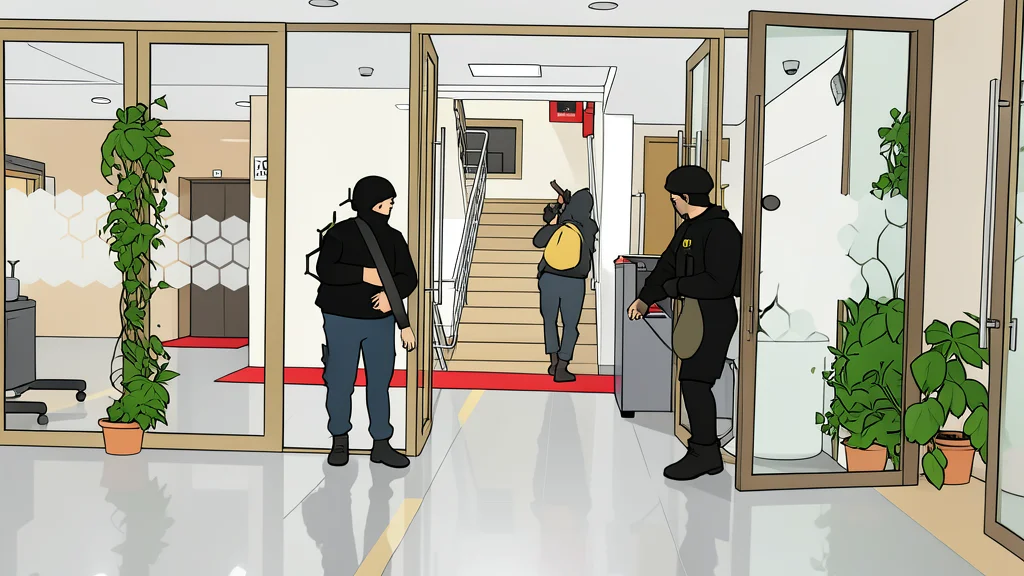
Following the initial blast, elite force commandos and Counter Terrorism Department teams moved to clear key sections of the buildings. The IGP stated that a suicide bomber had attempted to target law enforcement personnel but failed to detonate the device at the intended location. Senior police officials, including the Additional IGP for Counter Terrorism and the regional police officer, led the operation on the ground, while the IGP remained at the scene to oversee the tactical response.
Authorities described the engagement as a coordinated effort to eliminate the threat within the police lines. Hameed praised the bravery of the officers and security forces involved, announcing rewards for their participation. He emphasized that the authorities remain committed to ensuring the complete elimination of such threats, noting that the operation was conducted with the aim of restoring normalcy to the area.
Casualties and Medical Response in Kohat
The medical response to the attack was substantial, with injured individuals transported to DHQ Hospital Kohat and Liaqat Memorial Hospital. According to the district health officer, one hundred and three injured people were received at these two facilities. The casualties included seventy-three police personnel and thirty civilians. Among those treated, thirty-four were admitted for further care, and five patients underwent laparotomy, a surgical procedure involving an incision into the abdomen.
Four of the patients who underwent surgery were referred to tertiary care facilities in Peshawar for specialized treatment. The health authorities stated that the situation is being closely monitored, with all possible medical assistance being provided to the injured. The attack claimed the lives of several prominent figures, including Dr. Israel Khan Aurakzai, identified as the Chief District Specialist in Paediatrics at Liaqat Memorial Hospital.
Group Claims Responsibility for Attack
A militant group known as Ittihadul Mujahideen Pakistan, led by Afghanistan-based Hafiz Gul Bahadur, has claimed responsibility for the bombing and subsequent armed assault. The group alleged that the attack was a response to military operations in the region. Islamabad has repeatedly urged the Taliban administration in Kabul to deny the use of Afghan soil for terrorist attacks inside Pakistan, a request that has met with limited action from the de facto rulers in Kabul.
The Interior Ministry of Pakistan condemned the attack, describing the actions of the attackers as cowardly and stating that they could not weaken the nation's resolve. The government has expressed strong condemnation, with the President and Prime Minister issuing statements of solidarity with the victims and their families. The incident has reignited debates about cross-border security dynamics and the challenges faced by law enforcement in managing threats from organized militant groups.