Trump Orders Media Ban Amid Legal and Operational Uncertainty
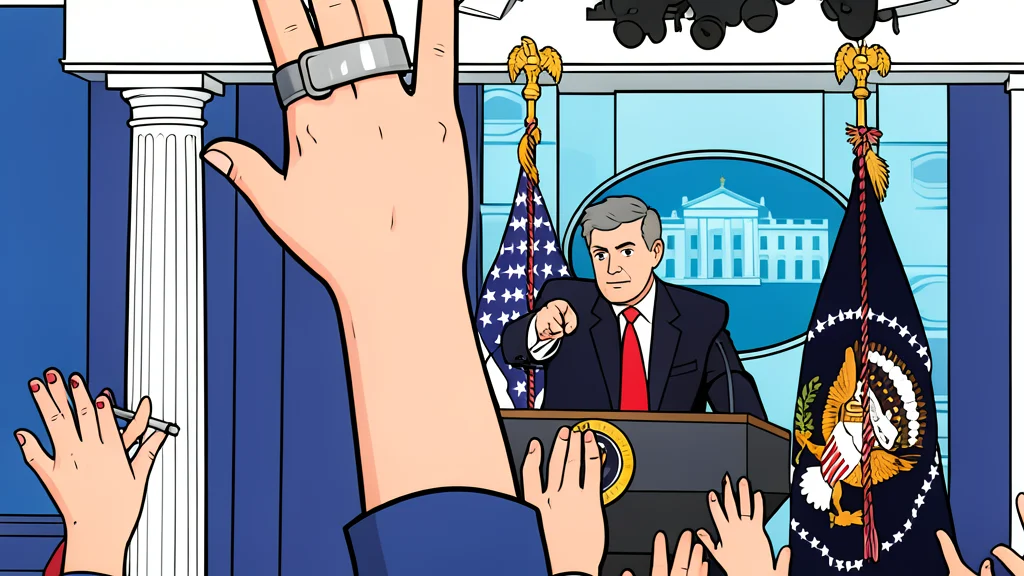
President Trump announced an immediate ban on three major news outlets from the White House, a move that faced immediate questions about its legality and enforcement mechanisms.
US President Donald Trump announced on Friday that he is barring CNN, MS NOW, and Politico from the White House "effective immediately," according to a post on his Truth Social platform. However, by the end of the day, there was no indication that the administration had taken any concrete steps to implement the directive. Reporters from the three outlets were still seen working within the presidential complex, suggesting a gap between the declaration and its execution.
In the post, Trump characterized the decision as a response to what he described as constant "fake news" reporting, stating that outlets should not be able to write or report "fiction and lies" when covering the presidency. He did not cite specific stories or coverage that prompted the decision, though he warned that other media organizations might face similar restrictions in the future.
Confusion Over Enforcement Details
The announcement caused immediate confusion among newsrooms and White House staff. A CNN crew was traveling with Vice President JD Vance as part of the assigned television pool when the news broke. According to MercoPress, even White House officials, including members of the press shop, learned of the move from the social media post and were left seeking details on how it would affect daily operations.
When asked later in the Oval Office about the scope of the measure, Trump described it as a simple exclusion, stating he did not want the journalists in his office. He attributed the decision to "cumulative stories over the last few years" and acknowledged that legal challenges were likely, noting that it would be good to see whether the ban survives judicial scrutiny.
Legal Challenges and Precedents
The three outlets responded swiftly, with CNN calling the move an "illegal assault" on press freedom and Politico stating it would "vigorously defend" its First Amendment rights. MS NOW, formerly MSNBC, declined to comment. The White House Correspondents' Association also expressed concern, arguing that what is at stake is the right of the American people to receive a full and independent account of the presidency.
Legal experts and specialist organizations have predicted the measure would not survive judicial review. Columbia University's Knight First Amendment Institute argued that the press pool constitutes a "public forum" under the First Amendment, making viewpoint-based exclusion unconstitutional. The Reporters Committee for Freedom of the Press described the action as "textbook viewpoint discrimination," while the Freedom of the Press Foundation labeled it illegal.
Historical Context and Operational Impact
There are precedents for such actions during Trump's first term, including the revocation of credentials for CNN correspondent Jim Acosta, which was later restored after a lawsuit. More recently, in February 2025, the White House took control of the press pool from the correspondents' association and restricted Associated Press access over terminology disputes. Litigation regarding the AP restrictions remains open.
The potential exclusion of CNN has broader implications because the network is one of five US outlets that film video for the press pool. An effective ban would therefore impact coverage by the rest of the press, not just the named outlets. As the situation unfolds, observers are watching whether the administration will attempt to enforce the ban physically or if legal injunctions will halt any such efforts.