US Receives 18 Suspects in 2021 Killing of Haiti's President
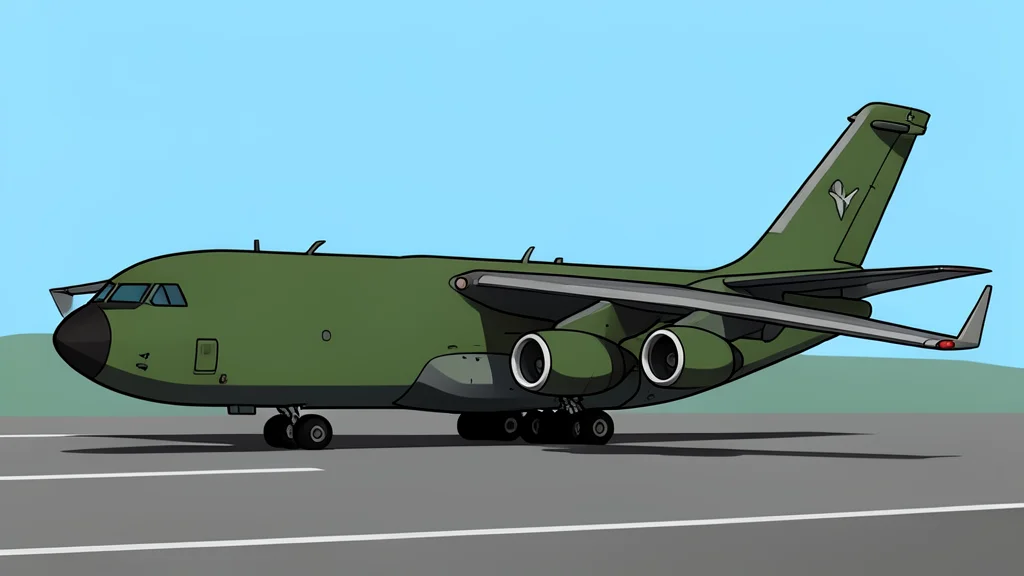
Eighteen men accused of orchestrating the assassination of Jovenel Moise have been flown to Florida for federal trial.
Key points
- Eighteen suspects were extradited from Haiti to Florida for federal trial regarding the 2021 assassination of President Jovenel Moise.
- US prosecutors allege the plot was engineered and financed from the southern part of Florida, establishing federal jurisdiction for the case.
- Haiti has held no national elections since the killing, and gang violence has displaced approximately 1.5 million people according to the UN.
Eighteen suspects facing federal charges for the 2021 assassination of Haitian President Jovenel Moise have been transported to the United States. A military flight carried the men from Port-au-Prince to Florida on Sunday, marking a significant step in a transnational investigation that has spanned five years.
According to Al Jazeera English, the defendants are set to stand trial in the Southern District of Florida, where prosecutors allege the plot was primarily engineered and financed. The move follows recent convictions of other alleged co-conspirators and reflects a continued effort by US authorities to hold individuals accountable for the killing of the former head of state.
Federal Jurisdiction Over Transnational Plot
US Attorney Jason A Reding Quinones stated that this transfer represents the next major phase in the pursuit of accountability. He emphasized that the investigation will follow the evidence to those who financed, facilitated, or supported the crime. Although Quinones did not identify the specific individuals extradited, he noted that the team is not finished and will continue to bring defendants before American courts.
Federal prosecutors established jurisdiction in Florida because the alleged conspiracy was staged from the southern part of the state. This legal framework allows for trials to proceed in a stable judicial environment, a necessity given the severe deterioration of Haiti’s own court system due to political chaos and security collapse.
Context of Institutional Collapse
The assassination of Moise in July 2021 created a profound political vacuum that has left Haiti without an elected national leader. In the ensuing instability, armed gangs have expanded their influence, reportedly controlling an estimated 90 percent of Port-au-Prince. The United Nations reports that insecurity has displaced approximately 1.5 million people, with thousands of gang-related killings documented in recent years.
Pierre Esperance, a human rights activist, criticized the transfer of suspects to the US as a disgrace for the Haitian justice system. He called for an overhaul of the domestic judicial framework to ensure such complex cases can be tried within Haiti in the future, highlighting the broader challenges facing the nation’s legal institutions.
Ongoing Investigations and Future Trials
In May, a jury in Florida convicted four men in the killing, while at least five others pleaded guilty and are serving life sentences. FBI Special Agent in Charge Brett Skiles confirmed that multiple arrests were made in the US and abroad on Sunday. The investigation continues to target individuals who allegedly sought profit from the assassination, with authorities asserting their commitment to full accountability.