UN Vote Stalls as Opposition Grows and New Candidate Speculation Rises
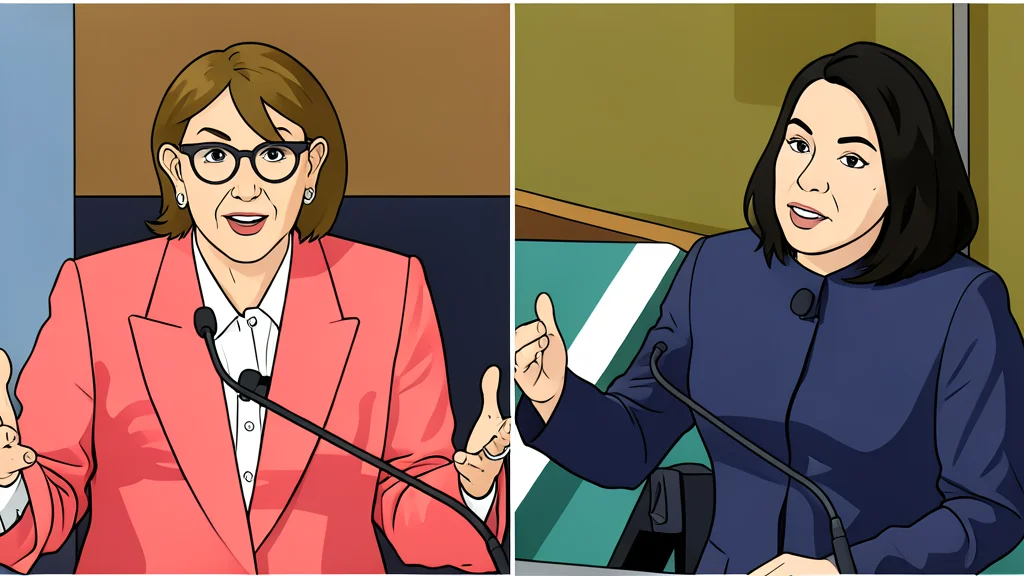
The third Security Council ballot failed to produce a frontrunner, with opposition votes rising for leading candidates and Russia criticizing the current pool.
Key points
- Rebecca Greenspan leads the third UN Security Council vote with nine supports, but her opposition votes have risen sharply.
- Russia has publicly stated that no current candidate is acceptable to Moscow, suggesting a new contender may emerge.
- Michelle Bachelet withdrew from the race after receiving only one vote in favor and eleven against.
The selection process for the next United Nations Secretary-General has entered a contested phase after the third preliminary vote failed to identify a clear leader. According to chosun.com, the lack of a decisive frontrunner has intensified speculation that a new candidate, potentially backed by major powers, could enter the race late in the process.
Voting patterns indicate growing division among the fifteen Security Council members. While two candidates remain at the top, their opposition counts have increased significantly across three rounds, suggesting that the consensus required for a final recommendation is far from solidified.
Voting Trends Show Increasing Division
Rebecca Greenspan of Costa Rica currently leads with nine votes in favor, but her opposition has nearly quintupled from the first to the third round. Carolyn Rodrigues-Birkett of Guyana follows closely with eight votes, yet also faces a sharp rise in negative ballots. This trend suggests that while preferences are sharpening, no candidate has secured the dominant position necessary to move forward.
Other contenders have faced heavier resistance. Rafael Grossi, head of the IAEA, received eight votes against him, while former Senegalese President Macky Sall faced nine. Former Chilean President Michelle Bachelet, who received only one vote in favor and eleven against, has since withdrawn her candidacy, reducing the total pool from eight to seven candidates.
Russia Questions Current Candidate Pool
Moscow has openly expressed dissatisfaction with the current lineup. Kirill Logvinov, director of the Russian Foreign Ministry’s Department for Multilateral and Security Affairs, stated that there is no candidate among the current contenders that Russia can clearly accept. This public stance leaves the door open for a new figure to emerge who might satisfy the permanent members' requirements.
Process Requirements and Future Outlook
Securing a final recommendation requires at least nine affirmative votes and no opposition from any of the five permanent members, who hold veto power. Because voting slips are not separated by member type, it is currently impossible to determine which candidates face specific veto risks. Analysts note that the current stalemate may encourage additional candidates to join the race.
The situation mirrors the 2016 election of António Guterres, which required six preliminary votes to resolve. As the process continues, the focus shifts to whether the Security Council can break the deadlock or if the field will expand further before a final recommendation is made to the General Assembly.