US Senators Urge Canada to Prioritize Trade Talks with Washington
A senior Republican lawmaker has cautioned against deepening ties with Europe, arguing it complicates efforts to resolve the current trade dispute with Washington.
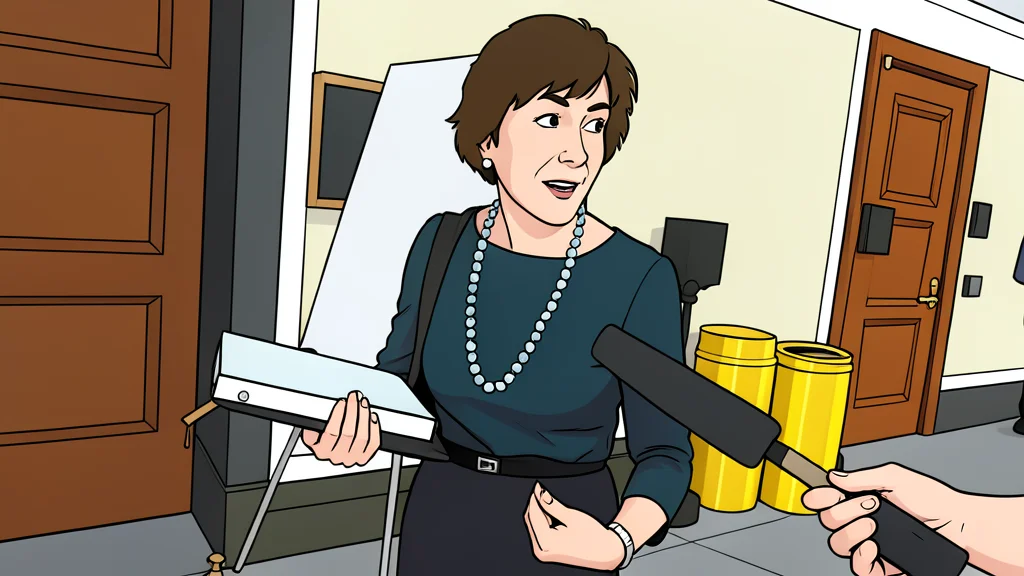
Senator Susan Collins of Maine has urged Prime Minister Mark Carney to reconsider plans to strengthen economic and political connections with the European Union. Speaking from the U.S. Capitol, the long-serving Republican argued that shifting focus toward Brussels could undermine the potential for a bilateral trade agreement with the United States. She emphasized that both nations should return to the bargaining table rather than engaging in an escalating tariff conflict, a stance that aligns with her state’s heavy reliance on cross-border commerce.
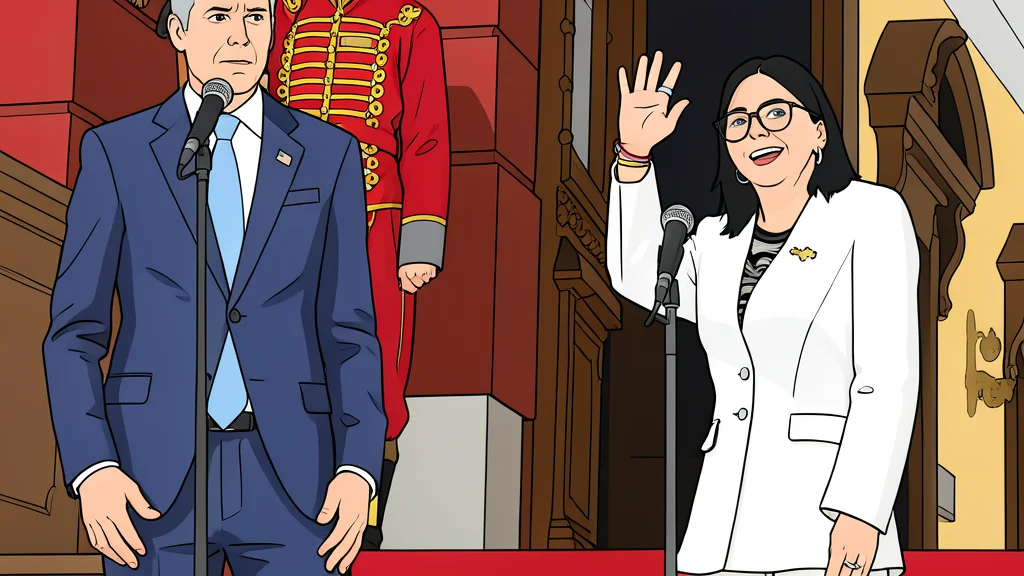
The remarks follow a speech by European Commission President Ursula von der Leyen in Strasbourg, where she suggested Canada might become an "associate member" of the EU. While this designation does not currently exist in EU law, Carney has expressed a desire for a unique alliance with Europe. Collins warned that such moves might make it more difficult for Ottawa to reach a deal with the Trump administration to end the ongoing trade war, noting her personal opposition to the current tariff policies.
Economic Stakes for Border States
Collins’s position is heavily influenced by Maine’s economic landscape, where Canada accounts for roughly two-thirds of imports and about 40 percent of exports. Last week, the Trump administration exempted cement and road salt from new tariffs, a move Collins claimed credit for. Her comments reflect a broader unease among some Republicans who recognize that their political futures in border states depend on stable trade relations with their northern neighbor, rather than ideological alignment with protectionist policies.
According to the GN auto geopolitics/europe: European politics desk, this internal friction within the U.S. Republican party is becoming increasingly visible as the midterm elections approach. With narrow majorities in both chambers of Congress, the party is sensitive to economic grievances that could drive voters to the opposition. Collins’s public dissent highlights a divide between the White House’s hardline trade stance and the practical economic realities faced by legislators in regions dependent on international supply chains.
Bipartisan Efforts to Rebuild Trust
Other members of Congress are echoing the call for de-escalation. Senator Bill Cassidy of Louisiana, a Republican who has occasionally broken with the President, stated that a trade war with Canada is not in the national interest. Meanwhile, Democratic Senator Chris Coons of Delaware is working on a bipartisan initiative to visit Canada. Coons described the prospect of reversing the trade war as a "tall order" even if Democrats gain control of Congress, but he emphasized the need for lawmakers to demonstrate to Canadians that their concerns are being heard and addressed.
Political Implications Ahead of Midterms
The November 3 midterm elections are a critical factor in this diplomatic friction. Republicans stand to lose control of Congress if they cannot retain support in key districts, making economic stability a priority. Coons, who has spoken with members of Carney’s cabinet, is preparing for a potential shift in legislative leverage. The forward question remains how a change in congressional power might influence the tone of negotiations, and whether a bipartisan delegation to Ottawa will serve as a genuine bridge or a symbolic gesture before the polls close.