Venezuela Hosts Rights Monitors Amid Post-Maduro Transitions
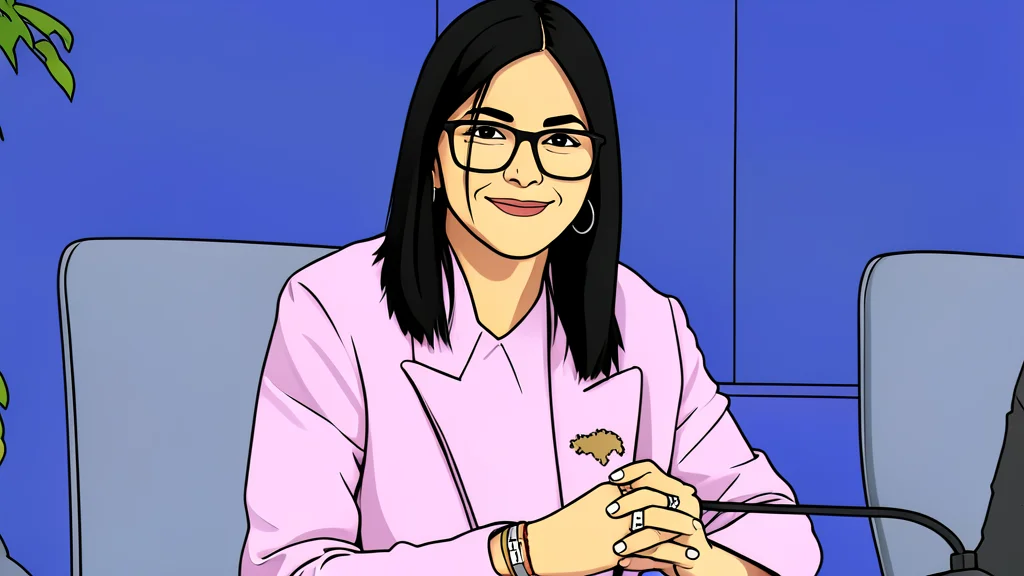
Venezuela’s interim government has engaged with Human Rights Watch for the first time since a 2008 expulsion, signaling a shift in diplomatic posture following the recent change in leadership.
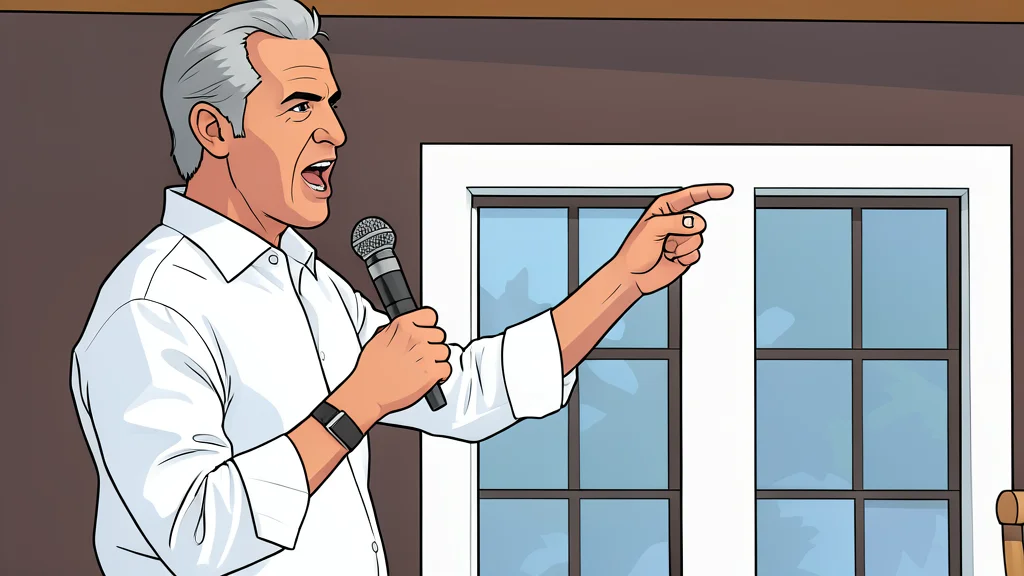
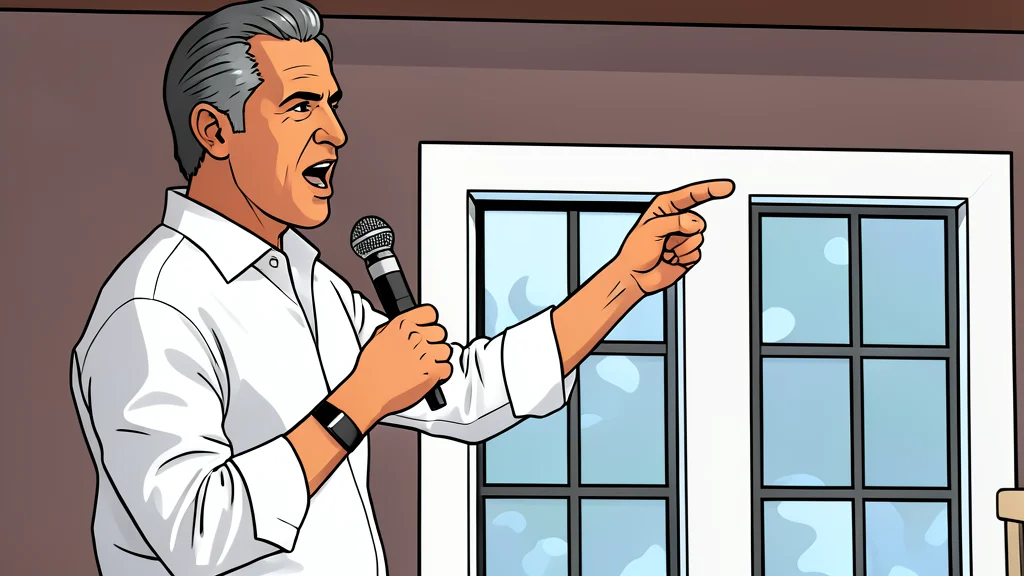
Venezuela’s interim president Delcy Rodriguez hosted representatives from Human Rights Watch on Thursday, marking a significant diplomatic milestone. This meeting took place eighteen years after the country expelled the monitor’s director, a ban that had persisted through the tenure of former president Nicolas Maduro. The encounter represents the latest development in the political landscape following the recent military raid that removed Maduro from power in January.
According to the Venezuelan government, the discussions focused on adopting measures to foster pluralism of expression and consolidating an environment of greater democratic coexistence. The delegation was led by Federico Borello, the deputy executive director of the rights monitoring group. The government stated that the aim was to reaffirm commitments to strengthening peace, diplomacy, and coordinated work with multilateral organizations, signaling a potential thaw in relations with international human rights bodies.
Shifts in Political Prisoner Status
Since assuming power, Rodriguez has taken steps that contrast sharply with the previous administration’s record. Her government has released hundreds of political prisoners and announced plans to close the El Helicoide prison, a facility where rights groups have long accused intelligence services of carrying out torture. Additionally, authorities unblocked several news sites that had been censored for years, citing a desire to restore freedom of information.
Persistent Concerns From UN Investigators
Despite these visible improvements, international scrutiny remains intense. UN investigators reported this week that Venezuela continues to maintain a repressive apparatus responsible for illegal detentions and disappearances. They noted that while there have been gains in rights since Maduro’s ouster, the structural mechanisms of control remain in place. This assessment suggests that the transition is complex and that institutional reforms are still underway.
Economic Pressure and Foreign Capital
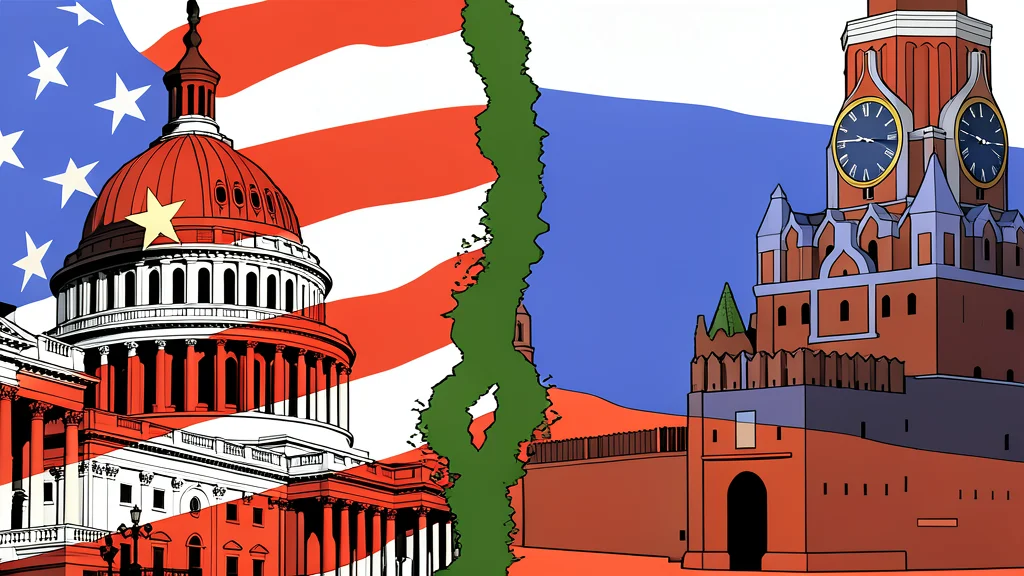
Rodriguez governs under significant pressure from Washington, which has demanded democratic reforms and accountability. In response, her administration has opened up Venezuela’s mining, oil, and electricity sectors to foreign and private capital. According to reports from GN geopolitics/rights, these economic moves are intended to attract investment while navigating the delicate balance between domestic stability and international expectations.
The forward question now centers on whether these diplomatic and economic gestures will translate into lasting institutional change. Observers will watch closely for further releases of political prisoners, the implementation of judicial reforms, and the extent to which international monitors can operate freely within the country. The coming weeks will likely reveal whether the current trajectory holds or if old patterns of restriction resurface.