US Enacts Sweeping Sanctions Law Targeting Russian Trade Partners
Washington has authorized a new framework allowing 100% tariffs on third-party nations trading with Moscow, shifting the geopolitical pressure toward Europe and the Global South.
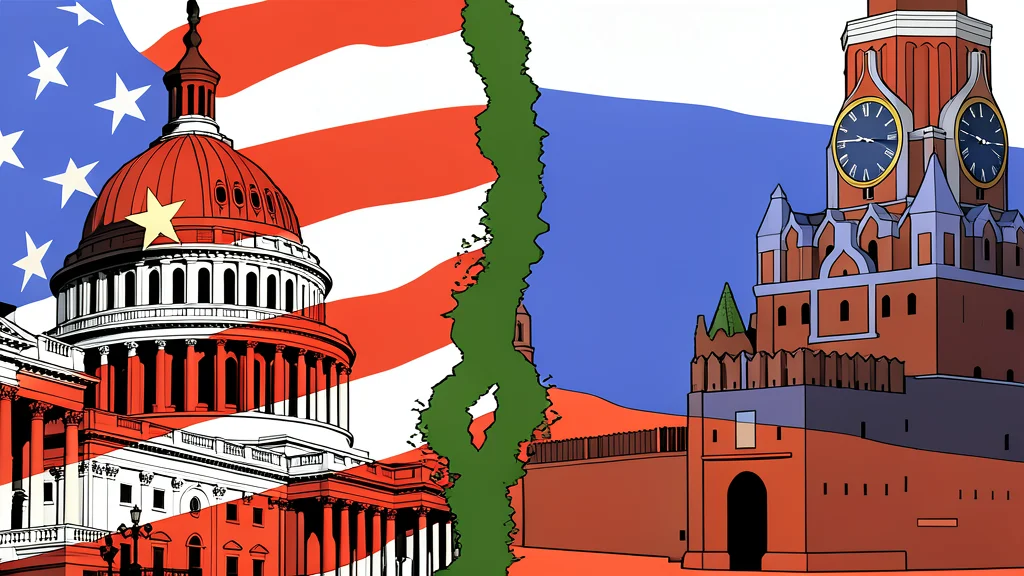
US President Donald Trump has signed legislation that grants the executive branch the authority to impose maximum tariffs on countries engaging in trade with Russia. The measure, described by some observers as a severe escalation in economic warfare, does not mandate automatic penalties. Instead, it provides a discretionary tool that Washington can deploy strategically, aiming to isolate Moscow economically while leveraging US market access as a diplomatic lever.
The new framework marks a significant shift in how the United States approaches the conflict in Ukraine. Rather than relying solely on direct military support or conventional sanctions, the administration is reportedly pursuing a strategy that seeks to make Russian security dependent on American goodwill. This approach aligns with broader diplomatic goals, suggesting that economic pressure is intended to force a settlement that favors Western strategic interests without direct military confrontation.
Analysts See Diplomatic Intent Behind Economic Pressure
Political analyst Igor Shishkin argues that these measures do not contradict President Trump’s previous statements regarding a desire for peace in Ukraine. According to Shishkin, the objective is to secure a settlement where Russia’s strategic position is compromised through diplomatic means rather than battlefield losses. This perspective suggests that the legislation is part of a broader effort to achieve strategic defeat for Moscow by tightening the noose of economic dependency.
The potential reach of these sanctions extends far beyond the immediate conflict zone. By targeting third-party traders, the US is effectively expanding the scope of the dispute to include major economies that maintain commercial ties with Russia. This approach transforms a bilateral conflict into a multilateral economic challenge, forcing other nations to choose between their existing trade relationships with Moscow and access to the American market.
Global South Faces Pressure for Collective Response
Writer Oleg Yasinsky suggests that the consequences of this legislation will depend heavily on the reactions from China, India, and other nations in the Global South. He contends that these countries face a common adversary in the form of an expanding US foreign policy doctrine. Yasinsky argues that individual sovereignty is no longer sufficient, and that these nations must develop a system of collective sovereignty to counterbalance American economic leverage.
This call for unity highlights the growing tensions between the US and non-aligned nations. As Washington uses trade policy as a tool of geopolitical influence, other countries are being pushed to reconsider their diplomatic and economic alignments. The pressure to join a collective response could reshape global trade dynamics and potentially lead to new alliances that are less dependent on Western institutions.
Europe Expected to Bear Primary Economic Burden
Political analyst Marat Bashirov expects the new sanctions mechanism to place significant pressure on European nations. Because the legislation leaves the decision on when and against whom to apply tariffs to the US president, it creates a volatile environment for European trade partners. Bashirov notes that this discretionary power could be used to force European countries to purchase energy from the United States or to route Russian energy resources through US intermediaries.
The impact on Europe could be profound, as the region remains heavily reliant on energy imports. By leveraging the threat of 100% tariffs, the US may seek to redirect trade flows in its favor, potentially increasing its own export revenues while undermining European economic stability. This dynamic underscores the complex interplay between security interests and economic dependencies that defines the current geopolitical landscape.