Airstrikes Devastate Kachin Villages Amidst Prolonged Conflict
Resident-led authorities report that sustained aerial bombardment has leveled thousands of homes in Shwegu Township, marking a sharp escalation in the ongoing struggle for regional control.
Thousands of residences across eighteen villages in Kachin State’s Shwegu Township have been destroyed by Myanmar military airstrikes over the past six weeks, according to the local resistance-led Shwegu Township People’s Administration. The devastation follows a period of intense ground combat in which regime forces attempted to retake territory held by the Kachin Independence Army and allied resistance groups.
After an initial offensive in June, junta troops were pushed back to the center of Shwegu by July, where they remain stationed. Since then, the military has launched daily bombardments, with local officials describing fighter jet attacks occurring two to three times a day. This pattern of violence has resulted in near-total destruction in several settlements along the Ayeyarwady River.
Civilian Infrastructure Bears Heavy Toll
The impact of the air campaign extends well beyond housing, striking schools, monasteries, and livestock in areas unrelated to active combat. Local sources indicate that villages such as Lanku and Myaingthar have lost almost every structure, while others including Thinbawinn and Moesit have lost roughly half of their housing stock. This widespread destruction has displaced numerous residents and severed access to basic services in the region.
Riverine Logistics Failures Escalate Air Attacks
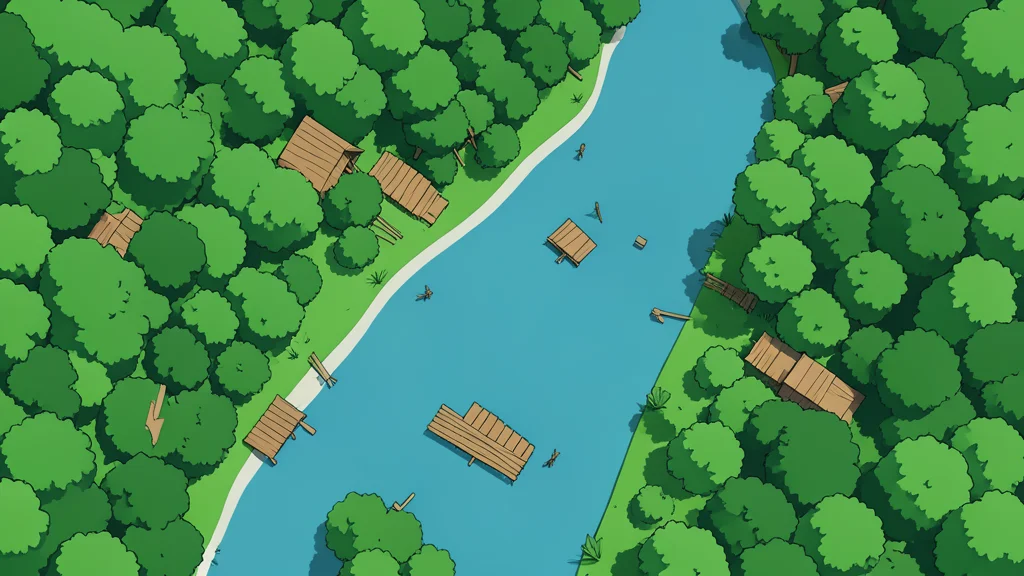
The intensified bombing appears linked to the junta’s inability to sustain its ground presence through conventional supply lines. In late August, a flotilla of fifteen vessels attempting to transport reinforcements between Shwegu and Bhamo suffered heavy losses during riverine ambushes. According to reports, several vessels were destroyed, and more than one hundred junta personnel were captured, prompting a shift toward aerial bombardment as a primary tool of coercion.
Control Remains Divided in Townships
Currently, the military controls only the downtown area of Shwegu and its immediate surroundings, while resistance forces maintain dominance over most rural zones. This stalemate follows years of conflict, including widespread arson operations in 2022 and 2023 that destroyed nearly thirty villages. The current phase of the conflict highlights the strategic importance of the Ayeyarwady River valley and the continued fragility of civilian life in contested areas.
As the situation evolves, observers will likely focus on whether the junta can establish secure supply routes without triggering further aerial campaigns. The resilience of local resistance forces in disrupting riverine logistics remains a critical factor, while the humanitarian condition of displaced populations in Kachin State continues to deteriorate. The next months may reveal if diplomatic efforts can mitigate the cycle of retaliation currently shaping the landscape in western Myanmar.