UN Chief Flags Potential War Crimes Amid Gaza Recovery Efforts
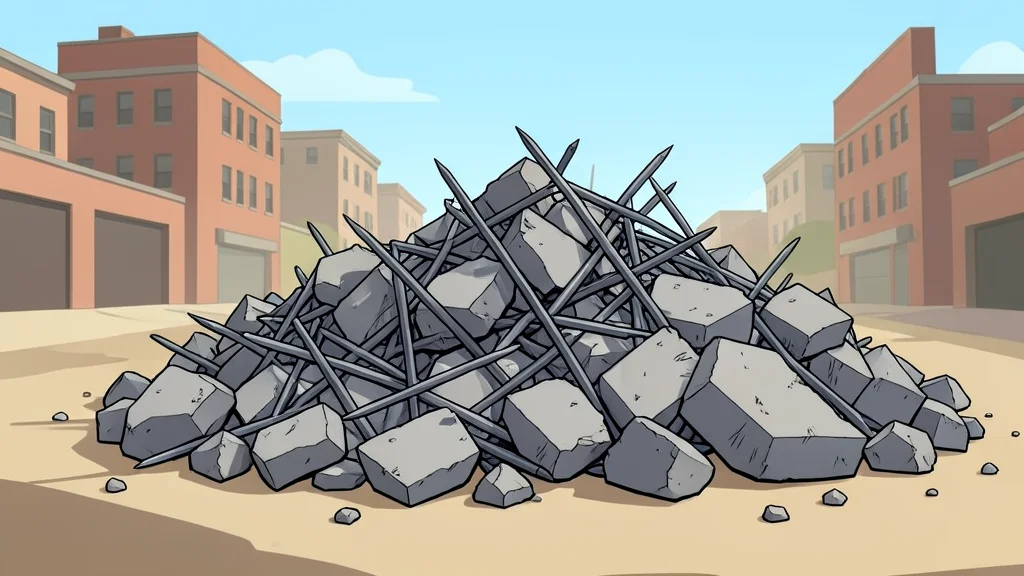
The UN Human Rights High Commissioner has stated that the ongoing recovery of bodies in Gaza raises serious questions about compliance with international law and suggests potential war crimes may have occurred.
Volker Türk, the UN Human Rights High Commissioner, stated on Tuesday that the painstaking effort to recover human remains from the rubble of Gaza raises serious questions regarding compliance with international law. According to Türk, the discoveries suggest that war crimes may have been committed during the bombardment that flattened entire neighborhoods. This assessment comes three years after the initial destruction, during which the majority of the remains identified were those of women and children. The High Commissioner emphasized that these findings are not merely tragic outcomes but legal indicators that require urgent international attention.
The UN official expressed deep concern that the remains recovered to date may only represent the tip of the iceberg. He noted that significant portions of Gaza have been leveled by bombing, demolition, and the use of heavy machinery. Türk highlighted that many areas where troops are deployed continue to be bulldozed without regard for the dead buried beneath the debris. He stressed the critical need to preserve evidence of violations at destroyed sites, particularly given that legal proceedings regarding the conduct of hostilities in the region are currently ongoing. The loss of forensic integrity due to further destruction could hinder future accountability efforts.
Barriers to Forensic Investigation
Türk called for international investigators to be granted access to all parts of Gaza to gather evidence and document the fate of the missing. However, he noted that Israel is currently refusing entry to the heavy machinery required to clear the rubble safely and effectively. Palestinian civil defense authorities have reported that more than 630 bodies and other human remains have been recovered from beneath destroyed buildings since November 2025. Despite these efforts, authorities estimate that over 8,000 individuals remain missing under the debris. The High Commissioner urged that every feasible effort must be made to document and identify these victims, preserve biological samples, and inform their families.
Human Cost of Delayed Identification
Local authorities reported recovering 233 of 407 bodies believed to be beneath 20 destroyed buildings between late June and late August. The majority of these remains were located in Gaza City, with a significant proportion being children and women. In one specific instance in the Az Zeitoun neighborhood, teams recovered 96 bodies and human remains from a site allegedly struck in 2023. Most of these recoveries were conducted by hand due to the instability of the rubble. Türk described these efforts as a stark reminder of the gravity of the destruction, compounded by the prolonged suffering of families who have spent years without knowing the fate of their relatives.
Legal Concerns Over Weapon Use
The High Commissioner’s Office previously highlighted the use of heavy bombs by Israel against residential buildings, schools, and refugee camps. A 2024 report concluded that such strikes may have violated fundamental principles of international humanitarian law, including distinction and proportionality. Türk stated that the extensive use of explosive weapons with wide area effects in densely populated areas failed to effectively distinguish between civilians and fighters. The discovery of extensive remains under the rubble in Gaza City resurfaces these concerns of war crimes and other atrocity crimes. The UN rights chief emphasized that the right of families to know the full truth does not end with identification and a dignified burial.
According to GN geopolitics/rights (en-US), the situation remains volatile as the recovery efforts continue. The focus now shifts to whether international bodies can secure access to the sites before further destruction occurs. The next steps will likely involve diplomatic pressure to allow forensic teams into the zone, as well as continued monitoring of the legal proceedings related to the hostilities. The preservation of evidence is seen as a race against time, with the physical landscape of Gaza changing rapidly due to ongoing clearance operations.