AUKUS Endures Amidst Shifting Pacific Security Dynamics
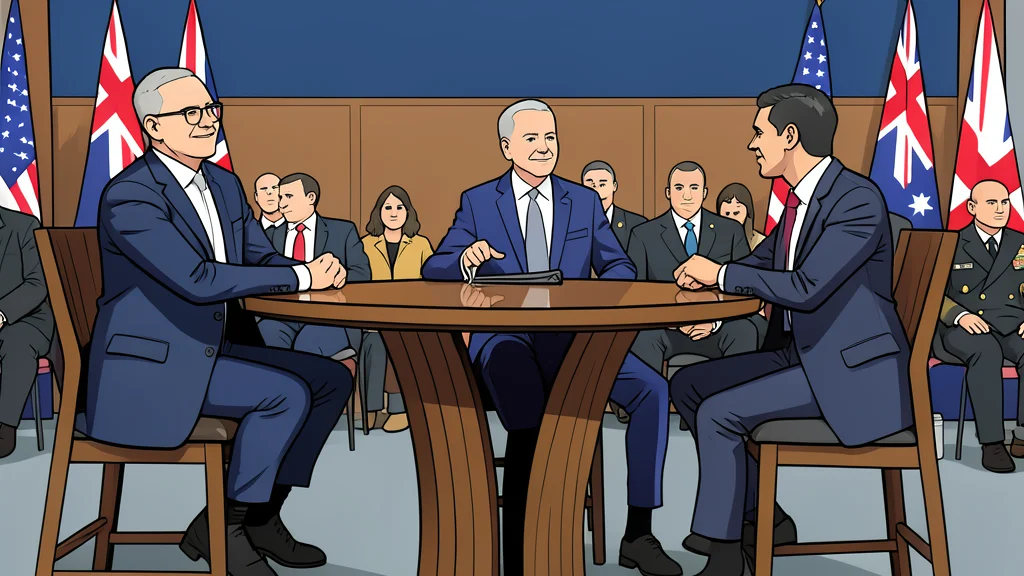
Five years after its inception, the trilateral defense pact remains a central pillar of regional security strategy despite significant political changes in Washington.
On September 15, 2021, Australia made a decisive break from a longstanding defense arrangement by canceling a nine-billion-dollar program for French-built diesel-electric submarines. In its place, Canberra joined forces with the United States and the United Kingdom to establish AUKUS, a trilateral partnership focused on the development of nuclear-powered, conventionally armed submarines. This move marked a significant realignment in Australian defense policy, driven by the assessment that conventional vessels were no longer sufficient to meet emerging operational demands in the Indo-Pacific region.
According to The Diplomat, the decision was rooted in a clear strategic imperative: the rapid expansion of China’s naval capabilities and its increasing reach into Pacific waters. While Australia did not explicitly name the threat at the time, the geopolitical context suggested a need for enhanced stealth and endurance. As the five-year mark approaches, the partnership has persisted even as other U.S. initiatives have faced dismantling under the renewed presidency of Donald Trump, raising questions about the durability and future trajectory of this critical security architecture.
Strategic Drivers Behind the Alliance
The core motivation for AUKUS lies in the perceived gap between conventional and nuclear-powered submarine capabilities. Nuclear propulsion offers significant advantages in terms of range, speed, and silence, which are critical for deterrence and power projection. Australia’s shift away from a single-supplier model to a broader trilateral framework reflects a broader trend in regional security, where nations are seeking deeper technological integration with key partners to counterbalance rising military threats.
Resilience Amid Political Shifts
Despite the withdrawal of the United States from various international commitments and the dismantling of predecessor initiatives under the new administration, AUKUS has remained intact. This resilience suggests that the partnership has transcended mere political preference to become a structural element of Indo-Pacific security. Observers note that while diplomatic relationships fluctuate, the underlying security imperatives in the region continue to drive sustained investment in defense capabilities.
Future Challenges and Watchpoints
Looking ahead, the focus will likely shift to the technical and political challenges of implementing nuclear submarine technology in Australia. Issues regarding nuclear fuel management, waste disposal, and the broader implications for non-proliferation regimes remain key areas of scrutiny. Additionally, the evolving relationship between the U.S. and China will continue to shape the operational context in which AUKUS operates, making the next phase of the partnership a critical watchpoint for regional stability.