Foreign Powers Court Kyrgyz Public at Nomad Games
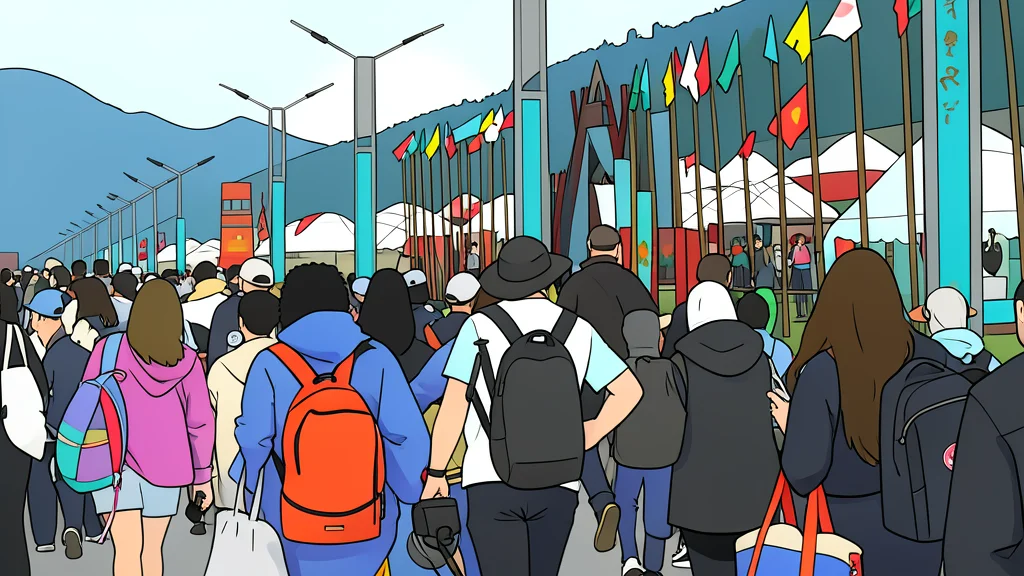
At the World Nomad Games, foreign delegations shift focus from international branding to domestic engagement, utilizing cultural exchange to build direct connections with local attendees.
In the alpine valleys of eastern Kyrgyzstan, the annual World Nomad Games have evolved into a significant stage for soft power competition. While the event was originally designed to showcase Kyrgyz culture to the international community, foreign governments and organizations are increasingly using the platform to engage directly with the domestic audience. This shift marks a notable inversion of the games' original diplomatic purpose.
The scale of this engagement is evident in the attendance figures, with organizers reporting over 150,000 daily visitors during the recent festivities. This surge, which exceeds previous records by a wide margin, provided foreign entities with a rare opportunity for casual, face-to-face interactions with ordinary citizens. Such direct access is often limited in formal diplomatic channels, making the cultural village a vital space for people-to-people diplomacy.
Cultural Zones as Diplomatic Tools
According to reports from The Diplomat, various nations utilized the ethno-village to present their cultures through interactive experiences. The United States, for instance, set up a yurt featuring American sports like lacrosse and cornhole, alongside educational materials on U.S. history and symbols. This approach aimed to make American culture accessible and appealing to Kyrgyz visitors through direct participation rather than formal lectures.
Similarly, the European Union consolidated the presence of eight member states under a single canopy. Visitors were able to sample diverse culinary traditions, from German pastries to Swiss fondue, while learning about the distinct cultural backgrounds of each country. Organizers described this setup as a means to demonstrate friendship and foster new cross-cultural connections, emphasizing a two-way exchange of traditions and interests.
Focus on Intergenerational Engagement
Beyond national branding, some organizations focused on broader social issues and intergenerational dialogue. UNICEF, for example, created a space dedicated to children and families, where traditional Kyrgyz games were played alongside discussions on child rights and nutrition. This strategy highlighted the potential for cultural preservation and public health initiatives to reinforce one another, creating a holistic environment for community interaction.
Officials involved in these initiatives noted that the genuine curiosity of locals about foreign traditions facilitated a more authentic exchange. By moving beyond mere promotion to active engagement, these entities sought to build lasting relationships with the Kyrgyz public. This approach underscores the growing importance of grassroots diplomacy in Central Asia, where cultural affinity plays a key role in international relations.
Reassessing the Event’s Diplomatic Logic
The prominence of foreign cultural zones signals a deeper shift in how the World Nomad Games are perceived by international actors. Researchers suggest that the event has become a dual-purpose instrument, serving both to project Kyrgyz national image abroad and to provide a platform for foreign powers to court domestic support. This duality reflects the complex geopolitical landscape in which cultural events are now embedded.
As the games continue to attract massive crowds, the balance between local cultural pride and external diplomatic interests remains a dynamic area of observation. The next phase of these gatherings will likely test the sustainability of these people-to-people connections and their impact on broader bilateral relations in the region.