Australia Seeks Non-Permanent UN Security Council Seat
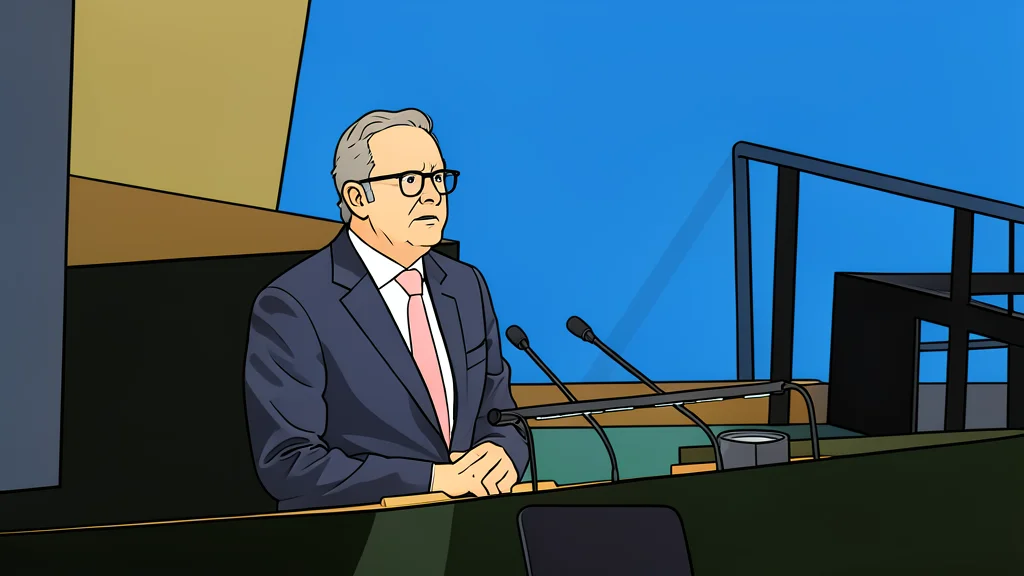
Australia is campaigning for a return to the UN Security Council, aiming to secure a non-permanent seat for the 2029-2030 term. While this position grants a direct vote and a role in high-stakes negotiations, it does not include the veto power held by the five permanent members.
Prime Minister Anthony Albanese is expected to advance a diplomatic initiative in New York that has been under development for over a decade. The core objective is to restore Australia’s presence on the United Nations Security Council, where the country last held a seat during the 2013-2014 period. According to GN geopolitics/un, the government argues that direct membership would provide a stronger platform for influencing decisions that affect both national interests and regional stability in the Pacific.
Structural limits of council membership
The Security Council is composed of fifteen members, with five holding permanent status and veto power. The remaining ten seats are elected by the General Assembly for two-year terms. For a non-permanent member like Australia, the primary distinction lies in the ability to cast a vote on substantive resolutions, which require at least nine affirmative votes to pass. However, a single negative vote from any permanent member can block a resolution regardless of other support levels.
Despite the absence of veto authority, the role offers significant procedural leverage. Members participate in closed consultations, contribute to the drafting of resolutions, and can chair subsidiary bodies such as sanctions committees. Additionally, each member takes a one-month turn holding the presidency, a role that allows for the shaping of the council’s immediate agenda and the presiding over of key meetings.
Strategic focus on emerging threats
Australia’s campaign is anticipated to prioritize a specific set of contemporary challenges. The agenda includes the governance of artificial intelligence, cyber security, and online safety, alongside traditional concerns such as climate action and the reinforcement of international law. The government also emphasizes the need for sustained support for Pacific Island nations, framing these issues as central to maintaining peace and security in the Indo-Pacific region.
Precedent from previous terms
The practical impact of council membership is illustrated by Australia’s actions during its last term. Following the downing of Malaysia Airlines flight MH17 over Ukraine in 2014, Australia played a leading role in negotiating a unanimous security resolution. This resolution condemned the incident, demanded an independent investigation, and secured access to the crash site, demonstrating how direct membership can facilitate rapid diplomatic responses to international crises.
The upcoming election cycle will test whether Australia can translate its diplomatic standing into the necessary votes from the General Assembly. Observers will watch how the country frames its contributions to global security and whether its proposed agenda resonates with the broader membership. The outcome will determine if Australia can re-enter the inner circle of global security decision-making for the coming decade.