Syrian Refugees in Germany Face Renewed Hostility Amid Political Shifts
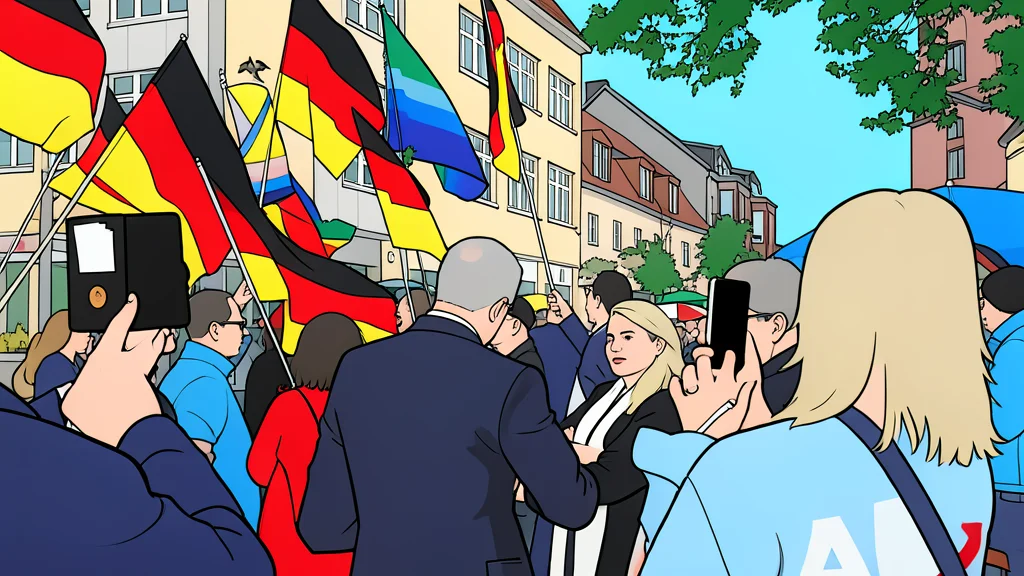
As the AfD polls strongly in eastern Germany, long-established Syrian refugees report a sharp rise in daily prejudice, raising fears about their future in the country.
For Shahd Najeeb, the trauma of fleeing militants in Syria is not yet a distant memory, but a fresh wound is opening in her daily life in Rostock. More than a decade after securing refuge in Germany, she and her husband, who works in a barbershop and she in a school cafeteria, are facing a new kind of insecurity. While they have built a stable life with their two young children, the political atmosphere in their home state of Mecklenburg-Western Pomerania is shifting. Opinion polls suggest the far-right Alternative for Germany (AfD) is set to become the leading party in Sunday’s state election, a development that has intensified anxieties among the region’s migrant communities.
According to Dawn, the sentiment among Syrian residents in Germany is one of growing unease. With more than 900,000 Syrians living in the country, many of whom arrived during the civil war, the political discourse is no longer abstract. Interviews with various families and community members reveal a pattern of increasing hostility, ranging from muttered insults to direct demands that they leave the country. The shift in political power is being felt in the streets, where incidents of discrimination are becoming more frequent and public.
Escalating Tensions in Eastern Germany
The rise of the AfD in formerly eastern German states is having a tangible effect on social interactions. In Mecklenburg-Western Pomerania, where the party is poised to win significant support, residents of migrant background report a palpable change in the local climate. Several individuals working in healthcare, education, and tourism have indicated they may consider leaving cities like Rostock or Schwerin if the environment continues to deteriorate. The fear is not just political but personal, as everyday encounters with neighbors and strangers become sources of stress and humiliation.
One specific incident described by Najeeb illustrates the intensity of these encounters. While picking up her children from school, she was shouted at by an elderly man in a wheelchair who claimed the country was for Germans only. Such moments, according to those interviewed, are becoming more common. The psychological toll is significant, with many describing a sense of injustice and betrayal, feeling treated as outsiders in a society where they believe they have contributed meaningfully and lawfully.
Personal Stories of Resilience and Fear
Despite the rising hostility, many families like the Hmouech-Najeeb family remain deeply grateful for the stability Germany has provided. Mahmoud Hmouech describes their work as a small way to show thanks for the peace and security they found after fleeing Deir al-Zor. However, this gratitude is now complicated by the fear that their welcome may be conditional or temporary. The contrast between their past struggles and their current precarious social standing creates a profound emotional conflict.
Other accounts highlight the subtler forms of abuse that have become normalized. One woman reported a neighbor pouring foul-smelling water onto her from a balcony, a small act of aggression that symbolizes the broader erosion of community ties. These incidents are not isolated but part of a wider trend where migrants feel their safety and belonging are under threat. The fear is that the political shift will embolden such behavior, making daily life more difficult and dangerous.
Uncertainty Ahead for Migrant Communities
As the state election approaches, the focus turns to what the political outcome might mean for the social fabric of German cities. While the AfD’s primary policy platform focuses on immigration restriction, the immediate impact for many residents is the psychological weight of being targeted by political rhetoric. The question remains whether the election results will lead to a hardening of social attitudes or if community resilience will hold.
For now, families like Najeeb’s are navigating a landscape where the past is no longer safe and the future is uncertain. The forward question is how German society will respond to this internal friction. Will the political gains of the far-right translate into increased discrimination, or will civil society push back to protect the integration of long-term residents? The coming weeks will be critical in determining whether the current climate of fear solidifies into a lasting change or remains a temporary spike in tension.