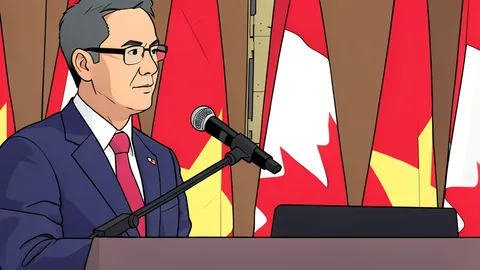
Canada Sees Vietnam Visit as Key to Deepening Ties

Canadian Ambassador Jim Nickel describes the upcoming state visit as a historic milestone for bilateral relations and economic cooperation.
Key points
- Canadian Ambassador Jim Nickel calls the visit the first by a Vietnamese Party General Secretary and President to Canada.
- Vietnam is Canada's largest trading partner in ASEAN, with strong growth in trade over the past five years.
- Canada plans to share expertise in renewable energy, nuclear technology, and artificial intelligence with Vietnam.
Canadian Ambassador to Vietnam Jim Nickel described the upcoming state visit by General Secretary and President To Lam as a pivotal moment for bilateral relations. Speaking to the Vietnam News Agency, Nickel emphasized that this trip marks the first time a Vietnamese Party General Secretary and President has visited Ottawa, underscoring the deepening strategic partnership between the two nations.
According to Nickel, the visit is designed to build on more than five decades of diplomatic engagement. He characterized Vietnam as not merely a friend but one of Canada’s most significant partners, noting that the comprehensive partnership framework established in 2017 has led to substantial growth in trade, security, and defense cooperation. The diplomat expressed confidence that high-level engagements during the trip will solidify the foundation for closer coordination on regional and global challenges.
Strategic Economic Priorities
Trade and investment remain central to the dialogue, with Vietnam currently standing as Canada’s largest trading partner in the Association of Southeast Asian Nations. Nickel highlighted specific areas of interest, including the development of international financial centers in Ho Chi Minh City and Da Nang. He also pointed to opportunities for Vietnamese investment in Canada’s energy sector, aiming to enhance sustainable energy security.
Beyond traditional trade, the ambassador outlined plans to share expertise in emerging technologies. Canada intends to offer support in power grid management, renewable energy, and nuclear technology to assist Vietnam’s energy transition. Additionally, given Vietnam’s focus on digital advancement, Nickel noted that Canadian firms in artificial intelligence, quantum computing, and semiconductors are eager to expand their presence in the Vietnamese market.
Regional Cooperation and Governance
The ambassador stressed that Canada views Vietnam as a like-minded partner in fostering economic resilience. He indicated a readiness to share experiences in regulatory reform and the development of robust legal frameworks for financial institutions. Nickel suggested that Vietnam’s political stability and ongoing institutional reforms position it to attract high-quality investment capital from Canada and other global sources.
Looking toward multilateral frameworks, Nickel affirmed Canada’s support for Vietnam’s role as a gateway to the broader Indo-Pacific region. He highlighted the shared commitment to a rules-based trading system and sustainable supply chains within the Comprehensive and Progressive Agreement for Trans-Pacific Partnership. Furthermore, Canada expressed interest in learning from Vietnam’s experience as the 2027 APEC chair, which will inform its own preparations for hosting the forum in 2029.
Forward-Looking Diplomatic Engagement
As the visit approaches, observers will watch for concrete announcements regarding technology transfer and energy cooperation. The emphasis on digital economy workforce development and judicial reform signals a shift toward deeper structural integration. This engagement sets the stage for continued collaboration on regional stability and economic innovation.