Liberal Democrats Propose 3.5% Defence Spending Target by 2035
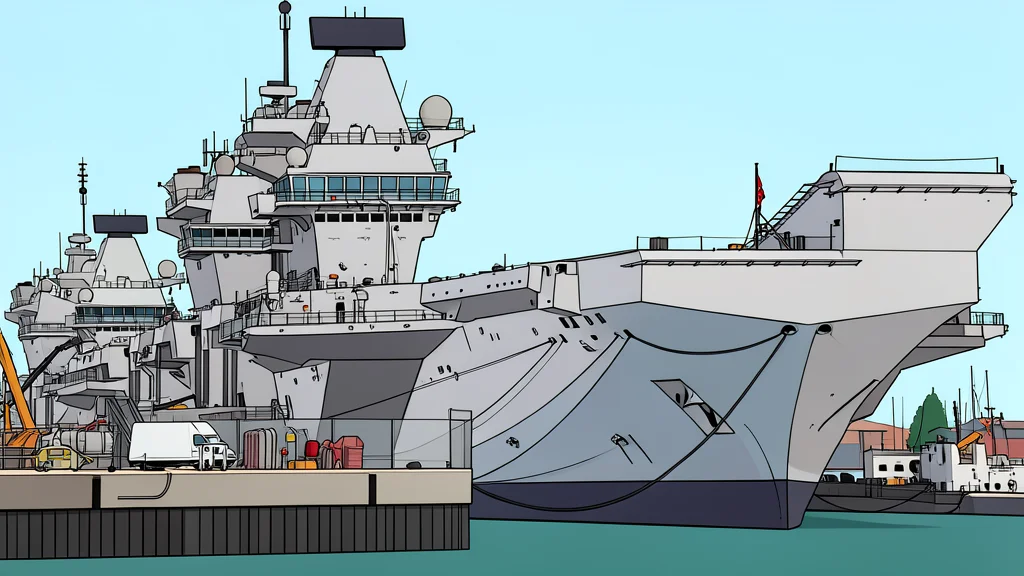
The party outlines a strategy to raise defence spending, deepen EU ties, and create a civil volunteer reserve to bolster national security.
Key points
- The Liberal Democrats propose raising core defence spending to 3.5% of GDP by 2035 to rebuild military capabilities.
- The strategy includes issuing £20 billion in defence bonds and creating a dedicated parliamentary committee to oversee defence spending.
- The plan advocates for rejoining the EU Single Market and establishing a European Security Council to coordinate defence manufacturing.
The Liberal Democrats have unveiled a comprehensive international security strategy aimed at rebuilding Britain’s military capabilities and reinforcing its role in the rules-based order. According to the party, the current global landscape requires a shift toward greater resilience and stronger international partnerships to counter emerging threats.
The proposal centers on increasing core defence spending to 3% of GDP by 2030 and reaching 3.5% by 2035. This financial commitment is intended to address what the party describes as a hollowed-out state of the armed forces, ensuring the military is properly equipped for the modern era.
Financial Measures for Military Modernization
To fund immediate regeneration of the armed forces, the plan includes issuing £20 billion in government defence bonds. These funds would be directed toward rapidly expanding military capabilities and investing in defence technology. The strategy also calls for ending inefficiency within the Ministry of Defence by establishing a dedicated House of Commons Defence Public Accounts Committee to oversee spending.
Deepening European Defence Partnerships
The Liberal Democrats argue that Britain’s security is inextricably linked to its continental neighbours. The policy proposes the creation of a European Security Council to coordinate defence manufacturing and streamline military purchasing. Additionally, the party seeks to restore access to the EU Single Market to secure greater influence over joint European defence funding and capability development.
This approach emphasizes deepening military exchange programmes and resource-sharing with EU partners to maximize collective deterrence. By building a stronger European pillar within NATO, the party aims to counter the unpredictability of superpower foreign policies and maintain a values-based vision for the UK’s place in the world.
Resilience and Multilateral Diplomacy
Beyond the battlefield, the strategy focuses on whole-of-society resilience against hybrid threats and foreign interference. The plan includes creating a central Civil Defence Office to coordinate responses to cyberattacks and supply chain shocks, as well as establishing a national network of skilled citizens known as a Civil Volunteer Reserve.
The party also champions multilateralism through middle-power alliances with democratic partners like Canada. This diplomatic stance aims to counter rising authoritarianism and lead global efforts in governing frontier technologies, including setting international standards on AI safety and autonomous weapons.