Collision in South China Sea Escalates Tensions
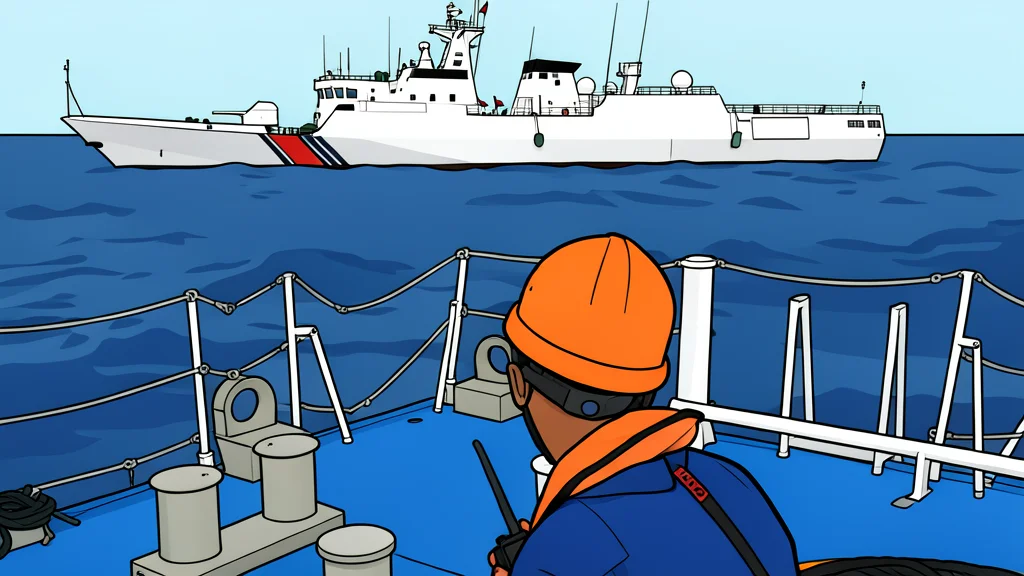
A Philippine resupply vessel reported a ramming incident by a Chinese coast guard ship, with both sides offering conflicting accounts of the confrontation near Palawan.
The Philippine Coast Guard reported that a Chinese vessel rammed a Philippine government boat engaged in a resupply mission in the South China Sea on Friday. The incident, which occurred approximately 54 nautical miles off the coast of Palawan province, resulted in damage to the railings and deck structures of the Philippine vessel, although no injuries were reported. This event marks the latest in a series of confrontations between the two nations in disputed waters, as noted in the GN auto geopolitics/asia-pacific: South China Sea report.
The vessel involved in the collision was the BRP Datu Magat Salamat, operated by the Bureau of Fisheries and Aquatic Resources. At the time of the incident, the ship was on a mission to distribute fuel to Filipino fishermen. The Philippine Coast Guard stated in a formal release that the Chinese vessel deliberately struck a civilian government vessel performing a humanitarian and livelihood task. Video footage released by Philippine authorities shows crew members shouting warnings immediately before the impact, which occurred at 11:13 a.m. local time.
Conflicting Narratives of the Encounter
Beijing has offered a sharply different account of the events. According to a statement from the China Coast Guard, the incident was the result of the Philippine vessel disregarding repeated solemn warnings. The Chinese authorities alleged that the Philippine ship deliberately altered its course and suddenly accelerated to cut across the bow of the Chinese vessel. They maintained that their own boat operated professionally and placed the blame for the collision entirely on the Philippine side.
Visual evidence released by Manila depicts bent and detached railings, damaged metal supports, and debris scattered across the deck following the contact. While the Philippine side characterizes the action as a deliberate ramming, the Chinese narrative frames it as a lawful enforcement operation against a vessel that failed to heed warnings. This divergence in interpretation highlights the ongoing difficulty in establishing a shared factual baseline for incidents in these waters.
Pattern of Rising Confrontation
This collision follows a month of heightened tensions in the region. In July, Manila accused Beijing of using water cannons against government vessels near Scarborough Shoal. Additionally, a Philippine Navy staff member was reportedly struck on the head with a wooden baton during an encounter at Second Thomas Shoal. The recurrence of such physical and kinetic interactions suggests a sustained escalation in the intensity of maritime disputes between the two countries.
Watching for Diplomatic Reactions
The immediate aftermath of the Friday incident will likely see a surge in diplomatic communications. Analysts are watching for how Manila responds to the physical damage to its assets and how Beijing justifies its enforcement actions under international law. The coming days will be critical in determining whether these incidents remain isolated events or signal a broader shift in maritime strategy and engagement in the South China Sea.