India and China Navigate Post-Summit Diplomatic Tensions
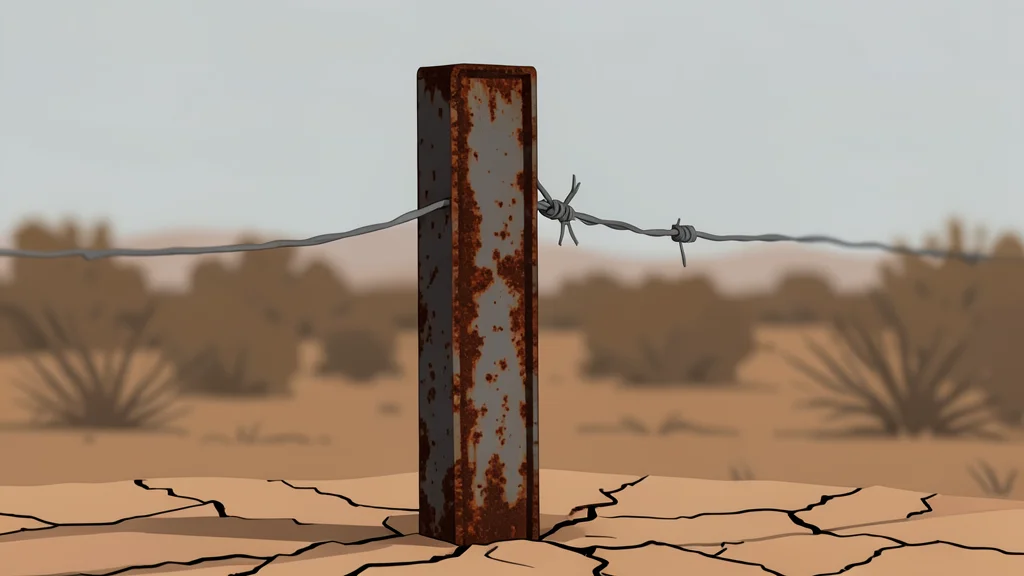
Following Xi Jinping’s recent visit to New Delhi, strategic analysts debate whether India should prioritize continuous border escalation or adopt a more selective approach to managing bilateral relations.
The September 2026 meeting between Chinese President Xi Jinping and Indian Prime Minister Narendra Modi on the sidelines of the BRICS Summit has marked a shift toward cautious engagement rather than a definitive reset of relations. According to Modern Diplomacy, the significance of this interaction lies less in resolving deep-seated structural tensions and more in creating a framework for managing them. The diplomatic opening suggests that both nations are attempting to sustain dialogue while acknowledging that fundamental disparities in trade, supply chains, and strategic posture remain unresolved.
This period of engagement raises a critical strategic question for New Delhi: whether responding to Chinese pressure necessitates continuous escalation at the border. The prevailing view suggests that India must balance military preparedness with a willingness to decouple broader bilateral relations from the Line of Actual Control. By doing so, India may prevent the border from becoming the sole organizing principle of the relationship, allowing space for other avenues of strategic and economic interest.
Strategic Cognition and Perception Management
During their discussions, Xi Jinping emphasized the need for what he described as an objective and rational strategic perception, framing China and India as partners rather than rivals. According to analysts cited in the report, such language is part of a broader asymmetrical power play intended to shape how New Delhi assesses its strategic choices. This approach seeks to influence not only the material environment around India but also the cognitive framework through which Indian policymakers evaluate threats and opportunities.
The competition between the two nations is increasingly viewed as a struggle over perception and priority. If every signal from Beijing along the border triggers a corresponding demonstration of resolve from New Delhi, the border effectively dictates the tempo of the entire relationship. This dynamic can render India reactive, limiting its freedom of choice in areas where it holds greater leverage. Establishing an independent strategic cognition is therefore essential to ensure that Beijing does not determine the arena or intensity of every interaction.
Balancing Deterrence with Diplomatic Flexibility
The experience since 2020 has demonstrated that military firmness and diplomatic engagement can operate simultaneously. Concrete arrangements, such as the October 2024 agreement on patrolling in Depsang and Demchok, illustrate that disengagement at specific friction points is possible without compromising overall deterrence. This distinction is crucial: maintaining a credible military posture does not require sustaining a state of perpetual escalation.
The concept of asymmetric withdrawal suggests that India should selectively disengage from the logic of continuous confrontation while preserving its defensive capabilities. This approach allows New Delhi to maintain its positions and deterrence while avoiding the trap of being forced into a reactive posture by every Chinese move. The goal is to ensure that the border remains a manageable aspect of a broader, more complex bilateral relationship.
Forward Look for Strategic Autonomy
The path forward requires India to distinguish between pressures that demand immediate military response and those that are better suited for negotiation or selective disengagement. By retaining the freedom to choose how and when to respond, India can preserve its strategic autonomy without accepting Chinese preferences. This balanced approach aims to prevent the border from overshadowing other critical areas of national interest, including economic development and regional influence.
What to watch next is how New Delhi implements this nuanced strategy in the coming months. Observers will look for signs of continued diplomatic dialogue alongside maintained military readiness. The success of this approach will depend on India’s ability to manage the border as one component of a wider relationship, rather than allowing it to define the entire strategic dynamic with Beijing.